

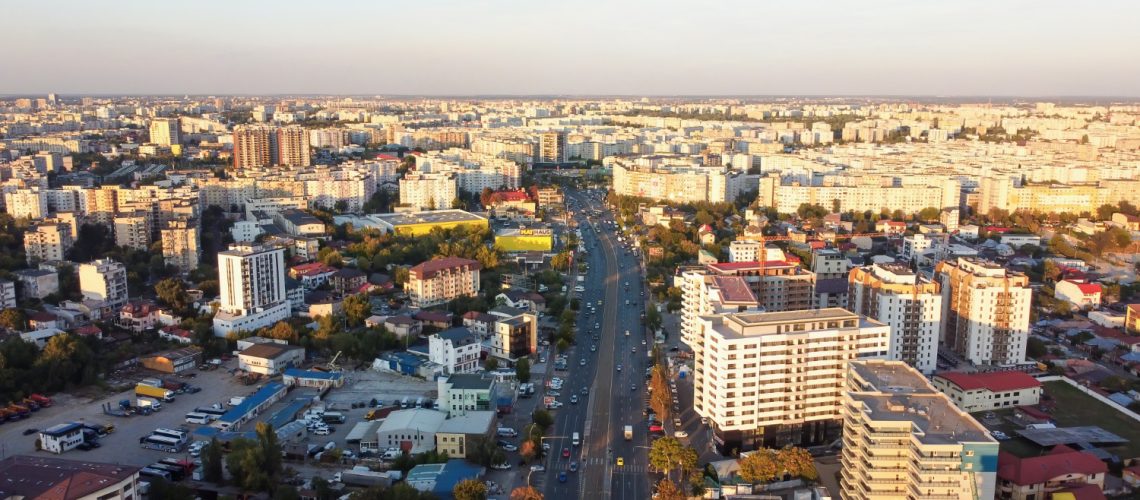
Urbanization in Africa is accelerating. Cities like Lagos, Nairobi, Johannesburg, and Accra are growing rapidly, bringing both opportunities and challenges. Traffic jams, waste management, unreliable utilities, and safety concerns have become daily realities for millions of residents.
Fortunately, technology is stepping in to solve these urban problems, making African cities smarter, safer, and more livable.
1. Solving Traffic Congestion in African Cities
Traffic congestion is one of the most visible urban problems in Africa. Cities like Lagos and Nairobi experience daily gridlock, costing commuters hours and businesses millions in lost productivity.
Technology solutions include:
-
Smart traffic lights: AI-driven systems in Nairobi are adjusting light cycles based on real-time traffic data.
-
Ride-hailing apps: Services like Bolt and Uber reduce private car use, easing congestion in Lagos and Accra.
-
Navigation apps with live updates: Google Maps and local apps help drivers find alternative routes quickly.
These tools save commuters time, reduce fuel consumption, and lower carbon emissions.
2. Improving Waste Management
Waste management is a growing challenge in many African cities. Overflowing bins, improper disposal, and lack of recycling infrastructure threaten health and the environment.
Technology solutions include:
-
Smart waste bins and sensors: Lagos has pilot programs where sensors notify authorities when bins are full.
-
Recycling apps and platforms: Nairobi-based startups are helping households sort and sell recyclables.
-
AI-driven collection planning: These systems optimize waste collection routes and reduce fuel costs.
Better waste management improves city cleanliness, reduces pollution, and promotes sustainability.
3. Managing Energy and Utilities
African cities often face unreliable power and water supply. Technology is helping urban utilities operate more efficiently.
Examples include:
-
Smart grids in Johannesburg: Monitor energy demand in real-time to prevent blackouts.
-
IoT water sensors in Cape Town: Detect leaks early to conserve water during droughts.
-
Renewable energy monitoring in Kigali: Ensures efficient use of solar and wind power in public and private infrastructure.
Smart utility management reduces costs, improves reliability, and supports sustainable urban growth.
4. Enhancing Safety and Security
Crime and emergency response remain critical urban challenges in Africa.
Technology solutions include:
-
AI-powered surveillance in Lagos: Detects unusual activity and alerts authorities.
-
Emergency response apps in Nairobi: Allow residents to request police, fire, or medical assistance instantly.
-
Predictive analytics in Johannesburg: Helps police identify high-risk areas and allocate resources efficiently.
These solutions improve safety, response times, and trust in city authorities.
5. Supporting Urban Planning and Infrastructure
Rapid urbanization often outpaces infrastructure development, leading to informal settlements and traffic bottlenecks.
Technology solutions include:
-
Digital twins in Accra: Cities simulate infrastructure projects to optimize planning before construction.
-
Data-driven urban planning: Sensors and analytics in Cape Town inform zoning, road networks, and public transport routes.
-
Smart buildings: Nairobi and Kigali are adopting energy-efficient buildings with automated systems.
These innovations ensure cities grow in a structured, sustainable manner.
6. Reducing Pollution
Air and water pollution are serious health risks in African cities.
Technology solutions include:
-
IoT air quality sensors: Deployed in Lagos and Johannesburg to track pollution hotspots.
-
Water monitoring systems in Nairobi: Ensure drinking water meets safety standards.
-
Environmental awareness apps: Encourage eco-friendly behavior like carpooling and reduced plastic use.
Real-time data enables governments and residents to make informed, sustainable choices.
7. Health and Pandemic Management
High-density cities are vulnerable to disease outbreaks.
Technology solutions include:
-
Telemedicine platforms: Provide virtual consultations in Lagos and Cape Town, reducing hospital congestion.
-
Contact tracing apps: Used in countries like Rwanda to monitor disease spread.
-
AI-based epidemiology: Helps governments allocate resources during outbreaks.
These tools improve urban public health and prevent system overload during crises.
Final Thoughts: Technology Is Making African Cities Smarter
African cities face significant challenges, but technology is transforming urban life. From traffic and waste management to energy, safety, and public health, smart innovations are creating solutions that improve quality of life.
Cities that embrace technology, like Lagos, Nairobi, Johannesburg, Accra, and Kigali, are setting new standards for urban living in Africa.
The future of African cities is not just bigger, it’s smarter, safer, and more sustainable.
