

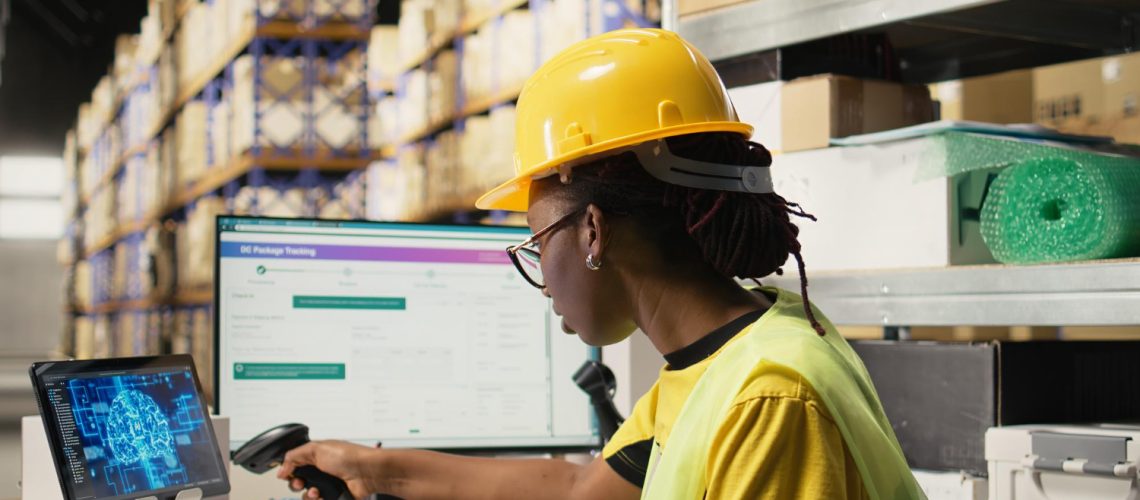
The logistics industry is evolving faster than ever. In the next 10 years, how goods move from suppliers to customers, both in Africa and globally, will transform dramatically. Fueled by technology, sustainability demands, and rising customer expectations, logistics will become smarter, faster, greener, and more resilient.
Businesses that plan for this future will gain a competitive edge. Those that ignore it risk being left behind.
What Is Logistics and Why It Matters
Logistics covers the planning, execution, and management of moving goods, services, and information from producers to consumers. It includes:
-
Supply sourcing and procurement
-
Warehousing and inventory management
-
Transportation and distribution
-
Order fulfillment and returns
For African businesses, logistics must also navigate infrastructure challenges, customs regulations, and cross-border trade dynamics. Globally, companies face increasing pressure for efficiency, transparency, and sustainability.
1. Data-Driven Logistics Will Become the Norm
In 10 years, logistics will rely heavily on real-time data, predictive analytics, and AI. Companies will:
-
Forecast demand before orders are placed
-
Adjust routes automatically based on traffic, weather, or disruptions
-
Optimize inventory to prevent stockouts and overstocking
African logistics startups are already leveraging mobile technology and analytics to compete with global players, showing that data-driven systems will be standard everywhere.
2. Automation Will Transform Warehousing
Warehouses of the future will be highly automated:
-
Robots will pick and pack orders
-
Smart shelves will track inventory automatically
-
Human workers will focus on system management and analytics
In Africa, logistics hubs in cities like Lagos, Nairobi, and Johannesburg are adopting robotics and IoT-enabled warehouses to streamline operations and reduce human error.
3. Last-Mile Delivery Will Be a Major Focus
The final step of delivery, getting goods to customers, will remain the most competitive frontier.
Future trends include:
-
Micro-fulfillment centers in urban areas
-
Drone and autonomous vehicle deliveries
-
Flexible pickup and drop-off points
For African cities with traffic congestion and challenging road networks, innovative last-mile solutions will define business success.
4. Sustainability Will Be Non-Negotiable
Global customers are demanding greener logistics, and African businesses are beginning to respond.
Future logistics will feature:
-
Electric and alternative-fuel delivery fleets
-
Eco-friendly, reusable packaging
-
Carbon-tracking and reporting
Companies that ignore sustainability risk losing customers, running afoul of regulations, and facing higher costs.
5. Supply Chains Will Become Local and Resilient
Global disruptions, like the COVID-19 pandemic, exposed risks in centralized supply chains.
The next decade will see:
-
Regional distribution hubs in Africa and emerging markets
-
Near-shoring and local sourcing
-
Multiple suppliers for key products
This ensures businesses are faster, more reliable, and less vulnerable to disruptions.
6. Logistics and E-Commerce Will Merge Seamlessly
E-commerce growth in Africa and globally will demand integrated logistics solutions:
-
Real-time tracking and updates
-
Same-day or next-day delivery
-
Easy, flexible returns
Behind the scenes, logistics systems will sync with online platforms, mobile payment systems, and inventory software for a seamless customer experience.
7. Artificial Intelligence Will Drive Decision-Making
AI will act as the brain of logistics networks, helping companies:
-
Optimize delivery routes and pricing in real time
-
Predict risks before they occur
-
Recommend operational improvements automatically
Managers will focus on strategy and oversight, while AI handles optimization and efficiency.
8. Logistics Jobs Will Evolve, Not Disappear
Automation will transform roles rather than eliminate them:
-
Skilled roles in analytics, system management, and strategy will grow
-
Routine manual labor will decline
-
African logistics sectors will require more tech-savvy professionals
The future will reward talent that can manage complex, tech-driven supply chains.
9. Emerging Markets Will Leapfrog Traditional Logistics Models
In Africa, Asia, and Latin America, businesses are bypassing outdated infrastructure with tech-first logistics solutions:
-
Mobile apps for delivery tracking
-
Digital payments and e-commerce integration
-
On-demand courier and platform-based models
Innovation in emerging markets will drive rapid scalability and global competitiveness.
Final Thoughts
In 10 years, logistics will no longer be just about moving boxes—it will be about moving intelligence, speed, and sustainability.
Businesses that invest in technology, build resilient systems, and embrace eco-friendly practices will thrive. Those that fail to prepare will struggle to compete both in Africa and on the global stage.
The future of logistics is smarter, faster, greener, and deeply integrated into the way business is done worldwide.
