

Why Local Markets Thrive Despite Online Shopping
In an era where smartphones and apps make shopping just a click away, local markets might seem outdated. Yet, markets from Balogun in Lagos, Nigeria, to Makola in Accra, Ghana, and City Market in Nairobi, Kenya, remain bustling hubs of commerce.
Why do people still flock to these markets despite the convenience of online shopping? The answer lies in a mix of culture, community, and experience, elements that e-commerce often struggles to replicate.
1. Personal Interaction and Trust
One of the biggest advantages of local markets is personal interaction. Vendors and buyers engage directly, building relationships and trust over time.
-
In Makola Market, regular customers often receive special discounts or insider tips on fresh produce.
-
In Balogun Market, traders know their customers’ preferences, creating a sense of loyalty that no website algorithm can match.
Human connection adds a level of reassurance and authenticity that online shopping can’t fully replicate.
2. Bargaining and Flexibility
Local markets thrive because of negotiation culture. Prices are rarely fixed, giving buyers the flexibility to bargain. This not only makes shopping fun but also gives shoppers a sense of control over what they pay.
-
At Nairobi’s Maasai Market, haggling is an art form. Tourists and locals alike enjoy negotiating over handmade crafts and artworks.
-
In contrast, online shopping usually offers fixed prices, removing the thrill and personal satisfaction of a deal.
The ability to negotiate keeps buyers returning, eager to test their skills and snag a bargain.
3. Sensory Experience and Community
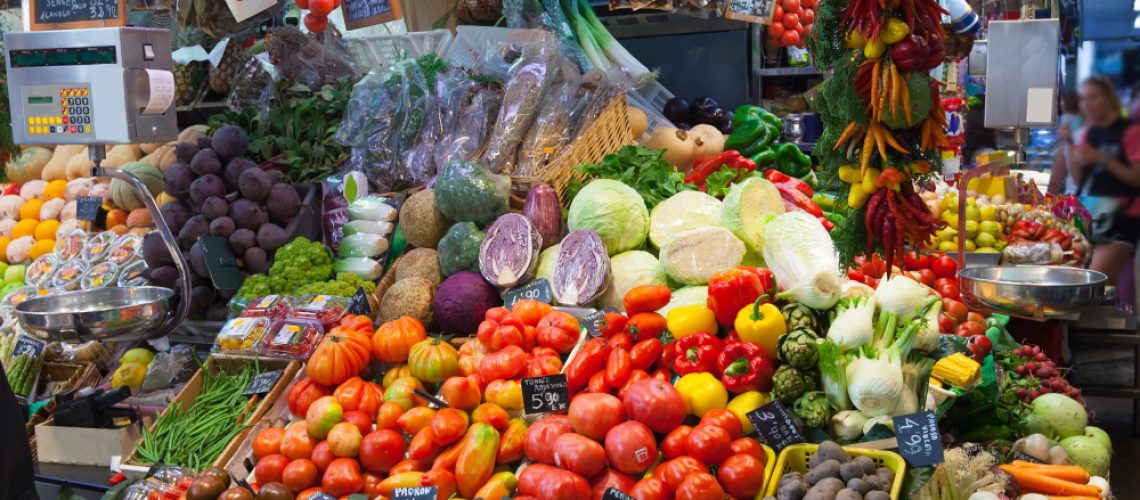
Markets offer a multisensory experience: the colors, scents, and sounds of the environment, plus the vibrant energy of people interacting. This immersive environment can’t be duplicated by scrolling through an app.
-
Walking through Balogun Market, you experience the chatter of vendors, the smells of fresh spices, and the sight of textiles in every hue.
-
Markets are also social hubs where neighbors meet, stories are shared, and communities bond.
Shopping becomes more than a transaction; it becomes an experience, a cultural event.
4. Immediate Access to Products
Unlike online shopping, which often involves delivery waits and shipping costs, local markets offer instant access to goods.
-
Need fresh vegetables or fish in Accra? You can buy them and take them home immediately.
-
For last-minute gifts or urgent needs, local markets are unmatched in convenience.
This immediacy is a key reason why local markets remain indispensable, even as online shopping grows.
5. Supporting Local Economies
Shopping at local markets directly supports small-scale entrepreneurs and artisans. Money spent circulates within the community, helping families and small businesses thrive.
-
Buying beads from a Maasai artisan in Nairobi supports traditional craft and sustains cultural heritage.
-
Purchasing fabrics at Balogun Market keeps local textile vendors in business, preserving livelihoods.
For socially-conscious consumers, this tangible impact adds another reason to shop locally.
Conclusion: Markets Are Here to Stay
Local markets continue to thrive despite the rise of online shopping because they offer trust, negotiation, sensory experience, immediacy, and community support, things online stores struggle to replicate.
In Africa, markets are more than just a place to buy goods, they are cultural institutions, living spaces of human interaction and tradition. While e-commerce has its convenience, local markets provide connection, experience, and empowerment, ensuring they remain vibrant for generations to come.
