

Managing food on a student budget can feel like a constant balancing act.
Between tuition, books, transportation, and social life, food expenses often need to stretch further than expected. One of the smartest ways to save money and reduce stress is by adopting bulk food strategies. Buying and managing food in bulk doesn’t just cut costs, it also saves time and helps students maintain healthier eating habits.
Why Bulk Buying Makes Sense for Students
Bulk purchasing allows students to buy larger quantities of food at lower unit prices. This is especially helpful for staple items like rice, beans, pasta, and grains, which have long shelf lives and can be used in multiple meals. Instead of making frequent small purchases that add up quickly, buying in bulk reduces trips to the store and helps avoid impulse spending.
Another advantage is convenience. With a well-stocked kitchen, students can prepare meals quickly without worrying about running out of essentials during busy academic periods.
Choosing the Right Foods to Buy in Bulk
Not all foods are suitable for bulk buying. The key is to focus on items that are:
- Non-perishable or long-lasting: Rice, oats, dried beans, garri, pasta, and flour
- Freezable: Meat, fish, vegetables, and bread
- Versatile: Foods that can be used in multiple recipes
For example, a bag of rice can serve as the base for stir-fries, jollof rice, or simple rice and stew meals. Beans can be cooked in large batches and used across several days.
Smart Storage Techniques
Buying in bulk only works if food is stored properly. Without proper storage, spoilage can cancel out any savings.
- Use airtight containers to keep dry foods fresh and prevent pests
- Label items with dates to track freshness
- Freeze perishable foods in smaller portions for easy use
- Keep storage areas clean and dry
Students living in shared apartments or hostels should also designate personal storage space to avoid confusion or food mix-ups.
Meal Planning and Batch Cooking
Bulk buying goes hand-in-hand with meal planning. When students plan meals ahead of time, they can make better use of bulk ingredients.
Batch cooking is especially effective:
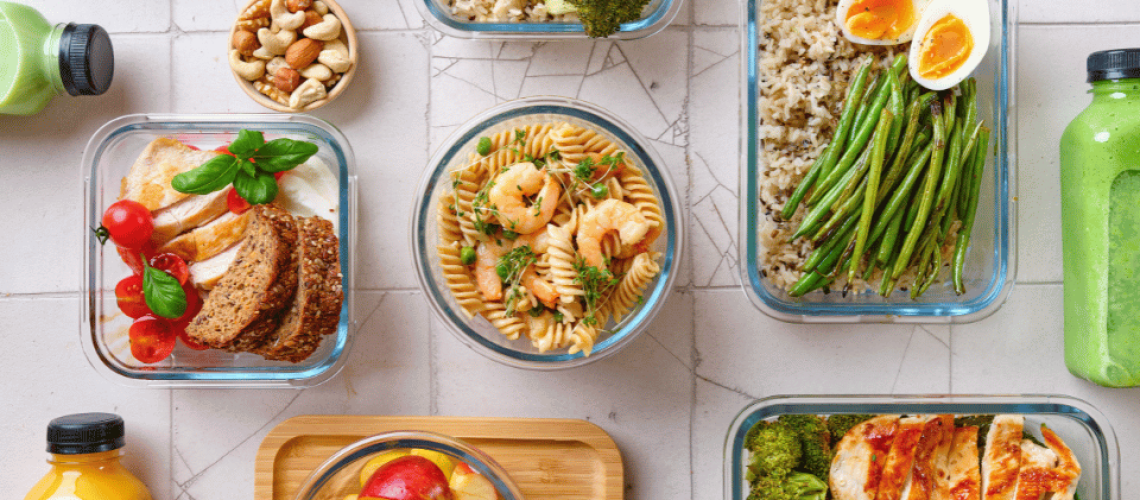
- Cook large portions of meals like soups, stews, or rice dishes
- Divide into smaller servings
- Store in the fridge or freezer for later use
This approach saves time during busy school days and reduces reliance on expensive takeout food.
Sharing Costs with Friends
For students with limited storage space or funds, partnering with friends is a practical solution. Buying bulk items as a group allows everyone to enjoy discounts without handling large quantities alone.
For example:
- Split a large bag of rice among roommates
- Share the cost of a crate of eggs
- Cook meals together and divide portions
This not only saves money but also encourages social bonding.
Avoiding Common Mistakes
While bulk buying is beneficial, there are pitfalls students should avoid:
- Buying too much perishable food that may spoil before use
- Ignoring storage limitations
- Purchasing items just because they are cheap, even if they won’t be used
- Lack of meal planning, leading to waste
Being intentional with purchases ensures that bulk buying remains cost-effective.
Health Benefits of Bulk Food Planning
Bulk buying isn’t just about saving money, it can also support healthier eating. When students stock up on whole foods like grains, legumes, and vegetables, they are less likely to rely on processed or fast foods.
Cooking meals at home allows better control over ingredients, portion sizes, and nutritional balance.
Final Thoughts
Bulk food strategies offer students a practical way to manage limited budgets while maintaining a steady food supply. With smart purchasing, proper storage, and effective meal planning, students can save money, eat better, and reduce daily stress.
Adopting these habits early not only improves student life but also builds lifelong skills in budgeting and food management.
