

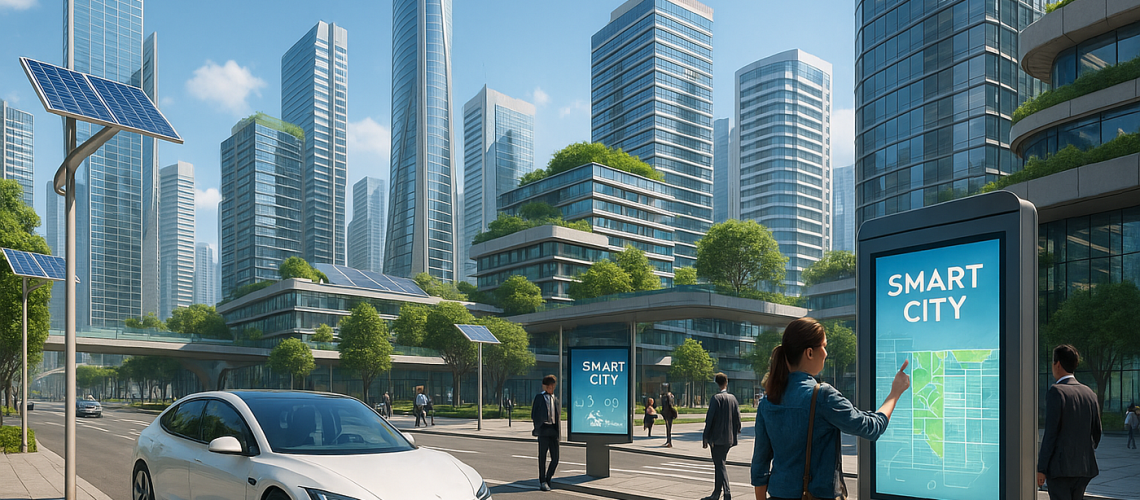
As urban populations continue to grow, cities around the world are turning to technology to solve everyday challenges.
These “smart cities” use digital tools, data, and connected systems to improve efficiency, sustainability, and the overall quality of life for residents. From reducing traffic congestion to enhancing public safety, smart cities are reshaping how people live, work, and interact with their environment.
What Is a Smart City?
A smart city integrates information and communication technologies (ICT) into its infrastructure and services. This includes transportation systems, energy grids, waste management, healthcare, and governance. By collecting and analyzing real-time data, city authorities can make informed decisions that benefit citizens directly.
Improved Transportation and Mobility
One of the most noticeable benefits of smart cities is better transportation. Smart traffic lights, for example, adjust in real time based on traffic flow, reducing congestion and travel time. Public transport systems use apps and digital displays to provide accurate arrival times, helping commuters plan their journeys more efficiently.
Ride-sharing services, bike-sharing programs, and electric vehicle charging stations also contribute to smoother mobility. As a result, residents spend less time in traffic and more time on productive or leisure activities.
Enhanced Public Safety
Smart cities leverage surveillance systems, sensors, and data analytics to improve safety. For instance, connected cameras can detect unusual activities and alert law enforcement quickly. Emergency response systems are also faster, as they rely on real-time data to locate incidents and deploy resources efficiently.
Additionally, smart street lighting improves visibility at night and can automatically brighten when motion is detected, helping to prevent crime and accidents.
Efficient Energy Use
Energy management is another key area where smart cities excel. Smart grids allow for better distribution of electricity, reducing outages and minimizing waste. Homes and buildings equipped with smart meters enable residents to monitor and control their energy usage, leading to lower bills and a reduced environmental footprint.
Renewable energy sources, such as solar panels, are often integrated into smart city systems, promoting sustainability and cleaner air.
Better Waste Management
Traditional waste collection methods can be inefficient and costly. In smart cities, waste bins are equipped with sensors that notify authorities when they are full. This ensures timely collection and prevents overflow, keeping neighborhoods clean.
Recycling programs are also improved through data tracking, encouraging residents to adopt more environmentally friendly habits.
Improved Healthcare Services
Smart cities enhance healthcare by making services more accessible and efficient. Telemedicine allows patients to consult doctors remotely, saving time and reducing the burden on hospitals. Wearable devices can monitor health conditions and send alerts in case of emergencies.
Data-driven healthcare systems also help authorities track disease outbreaks and respond quickly, improving public health outcomes.
Smarter Governance and Citizen Engagement
Digital platforms enable citizens to interact with government services more easily. From paying bills online to reporting issues like potholes or broken streetlights, residents can communicate directly with authorities.
This transparency builds trust and ensures that problems are addressed quickly. Moreover, data collected from citizens helps governments make better policy decisions.
Environmental Benefits
Smart cities prioritize sustainability. Air quality sensors monitor pollution levels, while green building technologies reduce carbon emissions. Urban planning is also improved, with more green spaces and efficient land use.
These efforts not only protect the environment but also contribute to healthier living conditions for residents.
Challenges to Consider
While smart cities offer many benefits, they also come with challenges. High implementation costs, data privacy concerns, and the need for reliable internet infrastructure can be barriers. However, with proper planning and regulation, these issues can be managed effectively.
Conclusion
Smart cities are transforming urban living by making everyday life more convenient, safe, and sustainable. Through the use of technology and data, cities can address long-standing challenges and create environments where people thrive. As more cities adopt smart solutions, the future of urban living looks increasingly efficient and connected.
