

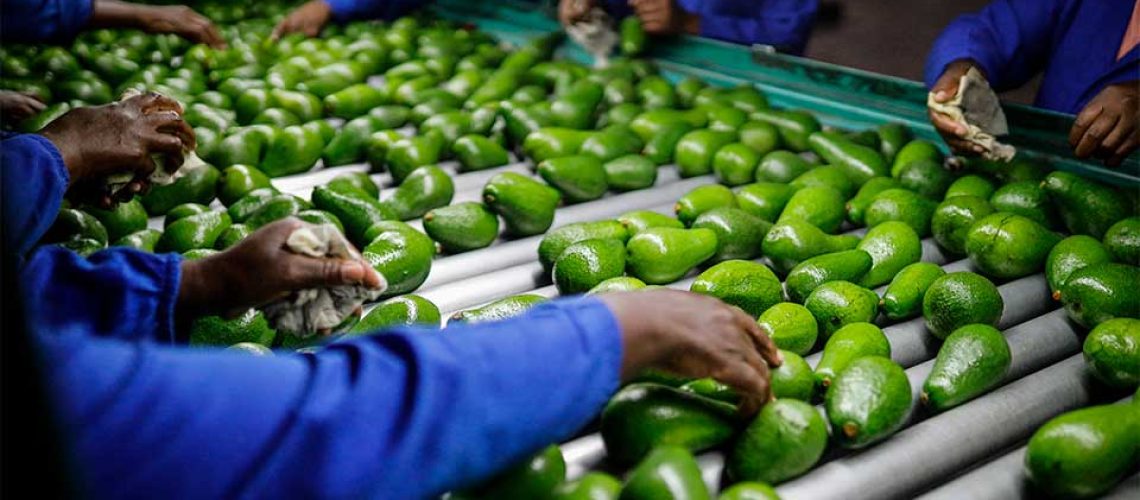
Africa is home to one of the world’s fastest-growing consumer populations.
With a population exceeding 1.5 billion people and a rapidly expanding middle class, the continent presents enormous opportunities for businesses across multiple sectors. While consumer preferences vary from country to country, certain product categories consistently dominate African markets due to their affordability, necessity, and cultural relevance.
From food staples and mobile phones to beauty products and financial services, these products shape everyday life and drive billions of dollars in economic activity across the continent.
Understanding Africa’s Consumer Landscape
African consumers are diverse, but several trends influence purchasing decisions across many markets:
- Growing urbanization
- Rising smartphone adoption
- Expanding middle-class populations
- Increased access to digital payments
- Strong demand for affordable products
- Preference for products that offer value and durability
As cities continue to expand and incomes gradually rise, consumer spending is becoming a major driver of economic growth.
Fast-Moving Consumer Goods (FMCG)
Fast-Moving Consumer Goods remain among the most dominant products in African markets.
Food Staples
Food accounts for a significant portion of household spending throughout Africa. Essential products include:
- Rice
- Maize meal
- Cassava products
- Bread
- Cooking oil
- Sugar
- Salt
These products enjoy consistent demand regardless of economic conditions because they form the foundation of daily diets.
Packaged Foods and Beverages
Urban lifestyles have increased demand for convenience products such as:
- Instant noodles
- Biscuits
- Soft drinks
- Fruit juices
- Bottled water
- Dairy products
Busy consumers often prefer affordable packaged foods that save preparation time.
Mobile Phones and Accessories
Few products have transformed Africa as dramatically as mobile phones.
Smartphones
Affordable smartphones dominate consumer electronics markets because they serve multiple purposes:
- Communication
- Banking
- Education
- Entertainment
- Online shopping
- Business operations
For many Africans, a smartphone is not merely a gadget, it is an essential tool for daily life.
Mobile Accessories
Alongside smartphones, consumers regularly purchase:
- Chargers
- Power banks
- Earphones
- Phone cases
- Screen protectors
Frequent usage creates continuous demand for these accessories.
Mobile Financial Services
Financial technology products have become indispensable in many African countries.
Digital Payments
Consumers increasingly use:
- Mobile wallets
- Digital banking apps
- Peer-to-peer payment platforms
These services provide convenient alternatives to traditional banking, especially in areas where financial infrastructure remains limited.
Airtime and Data Bundles
Telecommunications products represent one of the largest recurring consumer expenses.
Millions of people purchase:
- Voice airtime
- Mobile data packages
- SMS bundles
The growth of social media, online learning, and remote work continues to drive demand.
Personal Care and Beauty Products
Beauty and grooming products are among the fastest-growing consumer categories across Africa.
Skincare Products
Popular products include:
- Body lotions
- Soaps
- Face creams
- Sunscreens
- Cleansers
Consumers increasingly seek products designed specifically for African skin types and climates.
Hair Care Products
Africa’s diverse hair textures support a large beauty market featuring:
- Shampoos
- Conditioners
- Hair oils
- Wigs
- Extensions
- Hair treatments
The natural hair movement has also contributed to growing demand for specialized products.
Cosmetics
Makeup products continue to gain popularity, especially among younger urban consumers who follow global beauty trends through social media.
Fashion and Apparel
Fashion remains a major spending category throughout Africa.
Everyday Clothing
Consumers regularly purchase:
- T-shirts
- Jeans
- School uniforms
- Workwear
- Sportswear
Affordable fashion brands often outperform premium alternatives because price sensitivity remains an important factor.
Footwear
Popular footwear categories include:
- Sandals
- Sneakers
- Formal shoes
- Work boots
Durability often ranks alongside affordability when consumers make purchasing decisions.
Household Essentials
Household products maintain steady demand because they are necessary for daily living.
Cleaning Products
Common purchases include:
- Detergents
- Disinfectants
- Dishwashing liquids
- Laundry soaps
Growing awareness of hygiene has strengthened demand for these products.
Home Appliances
As electrification expands and incomes improve, consumers increasingly purchase:
- Refrigerators
- Fans
- Televisions
- Blenders
- Microwaves
Energy-efficient appliances are becoming especially attractive in areas with high electricity costs.
Transportation Products
Mobility remains a critical need in rapidly growing cities.
Motorcycles
Motorcycles dominate transportation markets in many African countries because they provide:
- Affordable mobility
- Efficient delivery services
- Employment opportunities
They are widely used for passenger transport and logistics.
Automotive Spare Parts
The large number of used vehicles across the continent creates strong demand for:
- Tires
- Batteries
- Engine oils
- Brake components
- Vehicle accessories
This market continues to grow alongside urban expansion.
Renewable Energy Products
Energy challenges have created significant opportunities for alternative power solutions.
Solar Products
Popular renewable energy products include:
- Solar panels
- Solar lanterns
- Solar home systems
- Solar-powered chargers
These products help households and businesses reduce dependence on unreliable power supplies.
Rechargeable Devices
Consumers frequently purchase:
- Rechargeable lamps
- Inverters
- Backup batteries
- Portable power stations
Reliable energy solutions remain a priority in many regions.
Educational and Digital Learning Products
Africa’s youthful population has fueled demand for educational resources.
Popular products include:
- Tablets
- Laptops
- Educational software
- Online learning subscriptions
- Digital textbooks
Parents increasingly view technology as an investment in future opportunities.
Health and Wellness Products
Healthcare awareness is rising across the continent.
High-demand products include:
- Vitamins
- Health supplements
- Fitness equipment
- Water purification systems
- Medical monitoring devices
Consumers are becoming more proactive about maintaining their well-being.
Factors Driving Product Success in Africa
Products that dominate African consumer markets typically share several characteristics:
Affordability
Price remains one of the most important purchasing factors.
Durability
Consumers often prefer products that can withstand intensive use and challenging environments.
Accessibility
Products available through both physical and digital channels tend to perform well.
Local Relevance
Successful products address specific local needs, preferences, and cultural practices.
Convenience
Urban consumers increasingly favor products that save time and simplify daily life.
The Future of African Consumer Markets
Africa’s consumer markets are expected to expand significantly over the coming decades. Rising incomes, digital transformation, urbanization, and a growing young population will continue to create demand for innovative products.
Companies that understand local consumer behavior and deliver affordable, high-quality solutions are likely to thrive. As technology adoption accelerates, digital services, renewable energy products, and smart consumer goods may become even more dominant across the continent.
Conclusion
The products that dominate African consumer markets reflect the realities of everyday life across a rapidly changing continent. Food staples, smartphones, beauty products, financial services, household essentials, transportation solutions, and renewable energy technologies continue to shape consumer spending patterns.
As Africa’s economies develop and consumer purchasing power grows, businesses that focus on affordability, quality, convenience, and local relevance will be best positioned to capture the vast opportunities available in one of the world’s most dynamic markets.
