

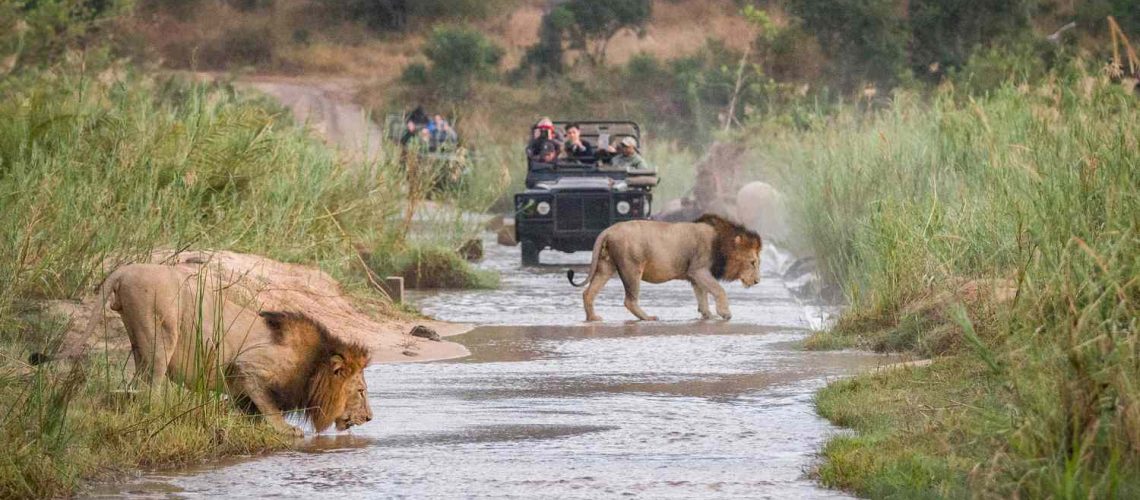
When people think of African safaris and wildlife adventures, famous destinations such as the Serengeti, Maasai Mara, and Kruger National Park often dominate the conversation.
While these iconic parks deserve their global reputation, Africa is also home to numerous lesser-known national parks that offer spectacular landscapes, incredible biodiversity, and authentic travel experiences without the large crowds.
From remote rainforests and desert wildernesses to pristine wetlands and mountain ecosystems, these underrated parks showcase the continent’s remarkable natural heritage. For travelers seeking unique adventures and untouched beauty, Africa’s hidden conservation treasures deserve a place on every bucket list.
Why Explore Lesser-Known National Parks?
Underrated national parks often provide several advantages over more famous destinations:
- Fewer tourists and more peaceful experiences
- Lower accommodation and tour costs
- Greater opportunities for wildlife encounters
- Support for emerging conservation efforts
- Access to unique ecosystems rarely seen elsewhere
These parks allow visitors to experience nature in a more intimate and authentic way while contributing to local economies and conservation programs.
1. Kafue National Park, Zambia
One of Africa’s largest protected areas, Kafue National Park covers approximately 22,400 square kilometers. Despite its immense size and wildlife diversity, it remains far less visited than many Southern African safari destinations.
The park is home to:
- Lions
- Leopards
- Cheetahs
- African wild dogs
- Elephants
- More than 500 bird species
The Busanga Plains in northern Kafue offer breathtaking game viewing opportunities, particularly during the dry season when wildlife congregates around water sources.
Visitors can enjoy boat safaris, walking safaris, and traditional game drives while experiencing a wilderness that feels largely untouched.
2. Nyungwe National Park, Rwanda
While Rwanda is best known for mountain gorilla trekking, Nyungwe National Park remains one of Africa’s most underrated rainforest destinations.
Located in the country’s southwest, the park contains one of the oldest rainforests in Africa and serves as a vital biodiversity hotspot.
Highlights include:
- Chimpanzee tracking
- Canopy walkway adventures
- Rare monkey species
- Hundreds of bird species
- Stunning hiking trails
The park’s dense forests, waterfalls, and mountain scenery create a completely different African experience from traditional savannah safaris.
3. Zakouma National Park, Chad
For decades, Zakouma National Park remained largely unknown to international travelers. However, successful conservation efforts have transformed it into one of Africa’s most impressive wildlife recovery stories.
The park now supports thriving populations of:
- Elephants
- Giraffes
- Buffalo
- Lions
- Antelope species
Its remote location means visitors often enjoy exclusive wildlife encounters with few other tourists nearby.
Zakouma demonstrates how conservation investment can revive ecosystems and create sustainable tourism opportunities.
4. Liwonde National Park, Malawi
Malawi is often overshadowed by neighboring safari destinations, yet Liwonde National Park offers exceptional wildlife viewing in a beautiful riverine setting.
The Shire River flows through the park, attracting a wide range of animals including:
- Hippos
- Crocodiles
- Elephants
- Black rhinos
- Antelope species
Boat safaris provide a unique perspective, allowing visitors to observe wildlife from the water while enjoying scenic views and excellent birdwatching opportunities.
Recent conservation initiatives have significantly strengthened wildlife populations, making Liwonde an increasingly attractive destination.
5. Mole National Park, Ghana
As Ghana’s largest wildlife reserve, Mole National Park provides one of West Africa’s best safari experiences.
Unlike many southern African parks, Mole offers visitors the chance to explore on foot with trained guides. Walking safaris create close connections with nature and provide exciting opportunities to learn about animal behavior and ecosystems.
Wildlife commonly seen includes:
- Elephants
- Warthogs
- Antelope
- Baboons
- Numerous bird species
The park’s rolling savannah landscapes and relaxed atmosphere make it a hidden gem for travelers exploring West Africa.
6. Simien Mountains National Park, Ethiopia
For those seeking dramatic landscapes rather than traditional safaris, Simien Mountains National Park delivers unforgettable scenery.
Often referred to as the “Roof of Africa,” the park features:
- Towering cliffs
- Deep valleys
- Rugged mountain peaks
- Rare endemic wildlife
Visitors may encounter:
- Gelada baboons
- Ethiopian wolves
- Walia ibex
The park’s hiking routes rank among Africa’s most spectacular trekking experiences, attracting adventure travelers looking beyond wildlife-focused tourism.
7. Loango National Park, Gabon
Loango National Park has earned the nickname “Africa’s Last Eden” due to its extraordinary combination of ecosystems.
Here, visitors can witness:
- Forest elephants on beaches
- Hippos in coastal lagoons
- Gorillas in rainforests
- Humpback whales offshore
- Sea turtles nesting along the coast
Few places in the world offer such a diverse mix of marine, forest, and savannah environments within a single protected area.
Its remote nature has helped preserve much of its ecological integrity.
8. Isalo National Park, Madagascar
Madagascar’s wildlife is unlike anything found elsewhere on Earth, and Isalo National Park showcases the island’s extraordinary biodiversity.
Known for its:
- Sandstone formations
- Deep canyons
- Natural swimming pools
- Unique plant species
The park is also home to several species of lemurs and reptiles found nowhere else.
Photographers and hikers particularly appreciate Isalo’s striking landscapes, which resemble scenes from another planet.
9. Gorongosa National Park, Mozambique
Once devastated by civil conflict, Gorongosa National Park has become one of Africa’s most inspiring conservation success stories.
Years of restoration have helped revive populations of:
- Lions
- Elephants
- Buffalo
- Antelope
- Numerous bird species
The park combines wildlife conservation, scientific research, and community development, creating a model for sustainable ecosystem recovery.
Its rich biodiversity and fascinating history make it one of Africa’s most rewarding destinations.
The Role of Conservation Tourism
Tourism plays an important role in protecting many of Africa’s lesser-known parks. Visitor spending helps fund:
- Anti-poaching operations
- Wildlife monitoring
- Habitat restoration
- Community development projects
- Environmental education programs
By choosing underrated parks, travelers can help spread tourism benefits more evenly across the continent while reducing pressure on overcrowded destinations.
Tips for Visiting Underrated National Parks
To make the most of these destinations:
- Research seasonal wildlife patterns before traveling.
- Work with reputable local guides and tour operators.
- Respect park regulations and wildlife habitats.
- Support locally owned accommodations when possible.
- Pack appropriately for remote conditions.
- Allow extra travel time, as infrastructure may be less developed.
Flexibility and preparation often lead to the most memorable experiences.
Conclusion
Africa’s famous wildlife destinations will always attract global attention, but some of the continent’s most extraordinary adventures can be found in its underrated national parks. From the rainforests of Rwanda and Gabon to the mountains of Ethiopia and the vast wilderness of Zambia, these hidden gems offer remarkable opportunities to connect with nature.
For travelers seeking authenticity, fewer crowds, and unforgettable landscapes, exploring Africa’s lesser-known national parks can reveal a side of the continent that many visitors never experience. As conservation efforts continue to protect these natural treasures, they stand ready to inspire a new generation of explorers and wildlife enthusiasts.
