

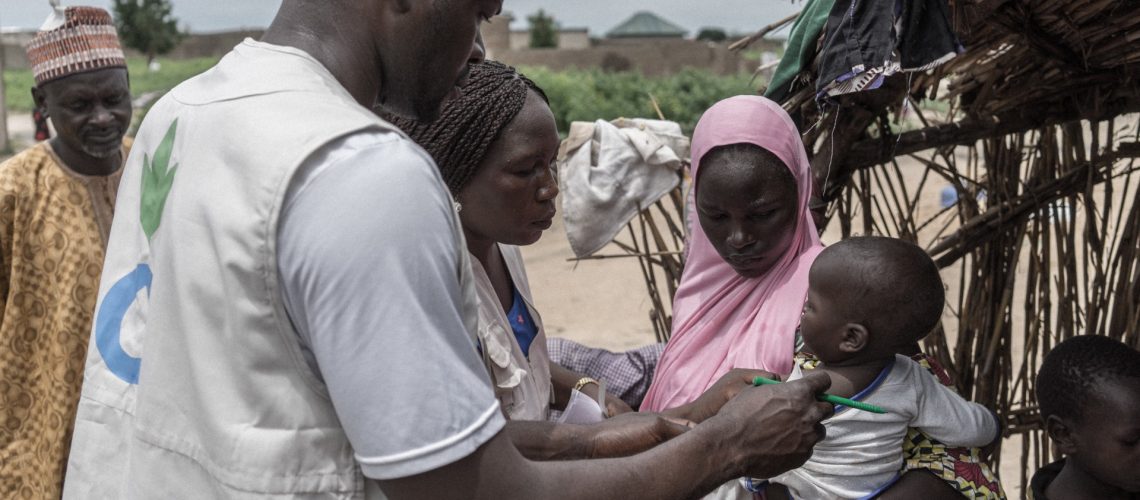
Community Food Banks and Food-Sharing Initiatives in Africa: Fighting Hunger Through Community Action
Across Africa, millions of people face food insecurity despite the continent’s rich agricultural potential. Economic challenges, climate change, supply chain inefficiencies, and food waste contribute to a situation where some communities struggle to access adequate nutrition while significant amounts of food are lost or discarded. In response, community food banks and food-sharing initiatives are emerging as practical solutions that help bridge the gap between surplus food and those in need.
These initiatives are not only providing meals to vulnerable populations but are also fostering community solidarity, reducing food waste, and supporting sustainable development across the continent.
Understanding Community Food Banks
A food bank is an organization that collects, stores, and distributes food to individuals and families experiencing hunger. Food banks typically receive donations from farmers, food manufacturers, retailers, restaurants, and private individuals.
Unlike direct feeding programs, food banks often serve as distribution hubs that work with local charities, community organizations, schools, religious institutions, and shelters to reach people in need.
In Africa, food banks operate under different models depending on local circumstances, available resources, and community needs. Some focus on urban populations affected by unemployment and rising food prices, while others serve rural communities vulnerable to droughts and poor harvests.
The Growing Need for Food Assistance in Africa
Food insecurity remains one of Africa’s most pressing challenges. Factors contributing to this issue include:
Climate Change
Extreme weather events such as droughts, floods, and irregular rainfall patterns reduce agricultural productivity and threaten food supplies.
Economic Instability
Inflation, unemployment, and currency fluctuations can make food unaffordable for many households, particularly in urban areas.
Population Growth
Rapid population growth places increasing pressure on food production systems and distribution networks.
Food Waste
Large quantities of food are lost during harvesting, transportation, storage, and retail processes, even while many communities struggle with hunger.
Community food banks help address these challenges by redistributing edible food that would otherwise go to waste.
Food-Sharing Initiatives Across Africa
Food-sharing initiatives extend beyond traditional food banks. These programs encourage individuals, businesses, and communities to share food resources through innovative approaches.
Community Kitchens
Community kitchens prepare and distribute meals to vulnerable populations, including children, elderly citizens, and displaced persons. These kitchens often rely on donated food and volunteer support.
Food Rescue Programs
Food rescue organizations collect surplus food from supermarkets, restaurants, hotels, and events before it expires. The food is then redistributed to charities and families in need.
Digital Food-Sharing Platforms
Technology is increasingly playing a role in food redistribution. Mobile applications and online platforms connect food donors with organizations that can collect and distribute excess food quickly.
Community Gardens
Many communities are establishing shared gardens where residents collectively grow fruits and vegetables. The harvest is often distributed among participating families or donated to local food assistance programs.
Benefits of Community Food Banks
Reducing Hunger
Food banks provide immediate relief to individuals and families facing food shortages, ensuring access to nutritious meals.
Minimizing Food Waste
By redistributing surplus food, food banks prevent edible products from ending up in landfills.
Strengthening Communities
Food-sharing programs encourage collaboration among residents, businesses, and nonprofit organizations, fostering stronger social connections.
Supporting Vulnerable Groups
Children, elderly individuals, people with disabilities, refugees, and low-income households often benefit significantly from food assistance initiatives.
Promoting Sustainable Development
Food banks contribute to sustainability goals by reducing waste, improving food access, and encouraging responsible consumption.
Successful Examples Across Africa
Several African countries have established innovative food-sharing programs and food banks.
South Africa
South Africa hosts some of the continent’s most organized food banking networks. These organizations collect surplus food from producers and retailers and distribute it to thousands of beneficiaries through partner organizations.
Kenya
In Kenya, food rescue initiatives collaborate with supermarkets and agricultural producers to recover food that remains safe for consumption. Community-based feeding programs also play a critical role in supporting vulnerable populations.
Nigeria
Food-sharing projects in Nigeria have expanded through nonprofit organizations, faith-based groups, and community volunteers. Many initiatives focus on supporting low-income urban communities and internally displaced persons.
Ghana
Community organizations and social enterprises in Ghana are developing innovative approaches to reducing food waste while increasing food access among disadvantaged populations.
Challenges Facing Food Banks in Africa
Despite their positive impact, food banks and food-sharing initiatives face several challenges.
Limited Funding
Many programs rely heavily on donations and grants, making long-term sustainability difficult.
Transportation and Logistics
Poor road infrastructure and transportation costs can hinder food collection and distribution efforts.
Storage Facilities
Inadequate refrigeration and storage facilities may result in food spoilage before distribution.
Public Awareness
Many businesses and individuals remain unaware of food donation opportunities and the benefits of reducing food waste.
Regulatory Barriers
Some countries lack clear policies that encourage food donation while protecting donors from legal concerns.
The Role of Technology
Technology is helping transform food-sharing efforts across Africa. Mobile applications, digital marketplaces, and data-driven logistics systems are improving the efficiency of food collection and distribution.
Real-time tracking allows organizations to identify surplus food quickly, coordinate pickups, and ensure timely delivery to recipients. Digital tools also help food banks monitor inventory and measure impact more effectively.
How Individuals Can Support Food-Sharing Initiatives
Community members can contribute to food security efforts in several ways:
- Donate non-perishable food items.
- Volunteer at local food banks.
- Support organizations working to reduce hunger.
- Share excess food responsibly.
- Advocate for policies that reduce food waste.
- Participate in community gardens and local feeding programs.
Even small contributions can make a meaningful difference in the lives of vulnerable families.
The Future of Food Banks in Africa
As urbanization continues and food security challenges evolve, community food banks will likely become increasingly important across Africa. Partnerships between governments, private businesses, nonprofit organizations, and local communities can strengthen food distribution networks and expand their reach.
The integration of technology, improved infrastructure, and greater public awareness will further enhance the effectiveness of food-sharing initiatives. By turning surplus food into a valuable resource, African communities can reduce hunger, minimize waste, and build more resilient food systems.
Conclusion
Community food banks and food-sharing initiatives are transforming how African communities address hunger and food waste. Through collaboration, innovation, and community engagement, these programs provide practical solutions to food insecurity while promoting sustainability and social inclusion.
As more individuals, businesses, and organizations embrace the principles of food sharing, Africa has the opportunity to create stronger, more resilient communities where fewer people go hungry and valuable food resources are put to better use.
