

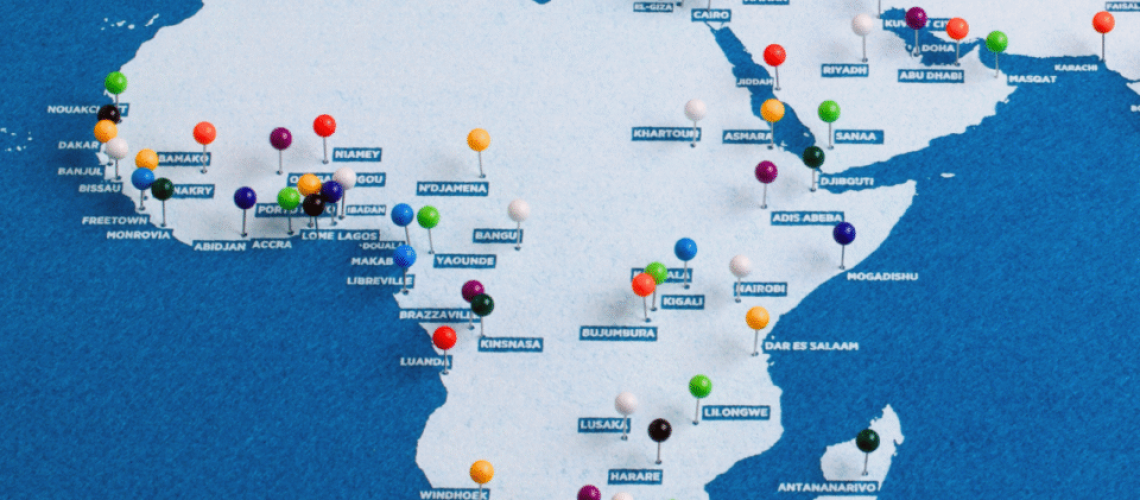
African Startups Solving Local Challenges: Driving Innovation Across the Continent
Africa is home to some of the world’s most pressing challenges, ranging from limited access to healthcare and financial services to inadequate infrastructure and unemployment. While these issues have existed for decades, a new generation of African entrepreneurs is developing innovative solutions tailored to local realities. Across the continent, startups are leveraging technology, creativity, and deep community understanding to solve everyday problems and improve lives.
These businesses are not only addressing local challenges but are also creating jobs, attracting investment, and contributing to economic growth. As Africa’s startup ecosystem continues to mature, it is becoming a powerful force for sustainable development.
The Rise of Africa’s Startup Ecosystem
Over the past decade, Africa has witnessed significant growth in entrepreneurship and innovation. Startup hubs, incubators, and accelerators have emerged in major cities such as Lagos, Nairobi, Cape Town, Cairo, and Kigali. Increased internet penetration, smartphone adoption, and access to venture capital have created an environment where innovative businesses can thrive.
Young Africans are increasingly choosing entrepreneurship as a means of solving problems within their communities. Rather than copying business models from other regions, many startups are designing products and services specifically for African markets.
Transforming Financial Inclusion
One of the most successful areas of African innovation has been financial technology (fintech). Millions of Africans have traditionally been excluded from formal banking systems, making it difficult to save money, access credit, or conduct secure transactions.
Fintech startups have stepped in to bridge this gap by offering mobile payments, digital wallets, microloans, and online banking services. These solutions allow individuals and small businesses to manage finances directly from their mobile phones, even in remote areas where traditional banks are scarce.
By increasing financial inclusion, these startups empower entrepreneurs, support small businesses, and stimulate economic activity across the continent.
Improving Healthcare Access
Healthcare remains a major challenge in many African countries, particularly in rural regions where medical facilities are limited. Startups are using technology to connect patients with healthcare professionals, provide telemedicine services, and improve access to essential medicines.
Digital health platforms allow patients to consult doctors remotely, reducing travel costs and wait times. Some startups are also developing systems that help hospitals manage patient records more efficiently, improving the quality of care.
Additionally, innovative delivery services are helping distribute medicines and medical supplies to underserved communities, ensuring that critical healthcare resources reach those who need them most.
Supporting Farmers Through Agricultural Innovation
Agriculture employs a significant portion of Africa’s population, yet many farmers face challenges such as poor market access, unpredictable weather, and limited financing.
Agritech startups are addressing these issues by providing farmers with valuable information and digital tools. Mobile applications offer weather forecasts, farming advice, market prices, and direct connections to buyers. Other platforms help farmers access loans, insurance, and modern agricultural inputs.
As a result, farmers can increase productivity, reduce losses, and improve their incomes while strengthening food security across the continent.
Enhancing Education Through Technology
Educational inequality remains a concern in many parts of Africa. Limited resources, teacher shortages, and geographic barriers often restrict access to quality education.
Edtech startups are helping bridge these gaps through online learning platforms, digital classrooms, and educational content accessible via smartphones. These solutions enable students to learn at their own pace and access high-quality materials regardless of their location.
Furthermore, many platforms offer vocational training and professional development courses that help young people acquire skills relevant to today’s job market.
Tackling Transportation and Logistics Challenges
Efficient transportation and logistics are essential for economic growth, yet infrastructure limitations can make moving goods and people difficult in many African countries.
Logistics startups are developing innovative delivery networks, ride-hailing services, and freight management systems. These solutions help businesses reduce transportation costs, improve efficiency, and reach customers more effectively.
The growth of e-commerce has further accelerated demand for logistics innovations, creating opportunities for startups to streamline supply chains and last-mile delivery services.
Expanding Access to Clean Energy
Millions of Africans still lack reliable access to electricity. In response, renewable energy startups are introducing affordable solar solutions for homes, schools, and businesses.
Many companies offer pay-as-you-go solar systems, allowing households to access clean energy without large upfront costs. These solutions improve quality of life, support small businesses, and reduce dependence on expensive and environmentally harmful fuel sources.
As renewable energy adoption grows, startups are playing a vital role in expanding energy access while supporting environmental sustainability.
Creating Employment Opportunities
Beyond solving specific challenges, African startups are significant job creators. They employ software developers, marketers, logistics personnel, customer service representatives, and various skilled professionals.
Moreover, many startups indirectly support employment by helping small businesses grow and by creating marketplaces that connect service providers with customers. This contributes to broader economic development and helps address youth unemployment, one of Africa’s most pressing concerns.
Challenges Facing African Startups
Despite their achievements, African startups continue to face several obstacles. Limited funding, regulatory uncertainty, infrastructure gaps, and talent shortages can hinder growth. Access to reliable internet and electricity remains a challenge in certain regions.
However, governments, investors, and development organizations are increasingly recognizing the importance of entrepreneurship and innovation. Continued support for startups will be essential to unlocking their full potential.
The Future of Innovation in Africa
The future of African startups looks promising. As technology adoption increases and investment flows into the continent, entrepreneurs will continue developing solutions tailored to local needs.
Artificial intelligence, renewable energy, digital finance, healthcare technology, and smart agriculture are expected to drive the next wave of innovation. African startups are demonstrating that local challenges can inspire world-class solutions with global relevance.
Conclusion
African startups are transforming the continent by addressing real-world problems through innovation and entrepreneurship. From financial inclusion and healthcare to agriculture, education, logistics, and renewable energy, these businesses are improving lives and creating opportunities for millions of people.
As the ecosystem continues to evolve, startups will remain at the forefront of Africa’s development journey, proving that locally designed solutions are often the most effective way to overcome local challenges. Their success not only benefits individual communities but also contributes to a more prosperous and resilient Africa.
