

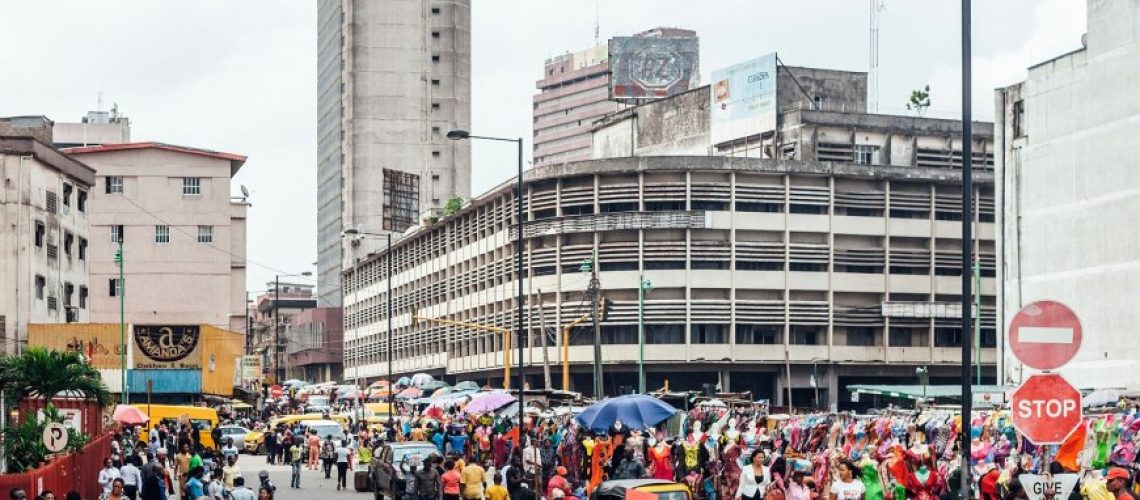
Across Africa, street markets remain some of the most vibrant centers of economic activity.
From bustling urban marketplaces to smaller community trading hubs, these markets provide livelihoods for millions of people while serving as essential links in local supply chains. Despite the growth of supermarkets and online shopping, street markets continue to play a critical role in supporting local economies and preserving cultural traditions.
The Heart of Community Commerce
Street markets are often the first point of contact between producers and consumers. Farmers, artisans, traders, and small business owners rely on these marketplaces to sell their products directly to customers. This direct interaction reduces distribution costs and allows traders to earn income without requiring large investments.
In many African cities and towns, markets operate daily and attract thousands of visitors. They serve as centers for buying fresh food, household goods, clothing, electronics, and traditional crafts, making them indispensable to everyday life.
Creating Employment Opportunities
One of the biggest contributions of street markets is job creation. Millions of Africans work as traders, transport operators, loaders, food vendors, security personnel, and service providers within market ecosystems.
For many young people and women, market trading offers an accessible path to entrepreneurship. With relatively low startup costs, individuals can establish small businesses that generate income and support their families. This informal sector often provides employment opportunities where formal jobs are limited.
Supporting Local Producers
Street markets provide valuable platforms for local farmers and manufacturers. Agricultural products such as fruits, vegetables, grains, and livestock are sold directly to consumers, helping producers earn better returns.
Similarly, local artisans use markets to showcase handmade products, textiles, jewelry, furniture, and cultural items. By purchasing locally produced goods, consumers help sustain small-scale industries and encourage domestic production.
Strengthening Food Security
Many African households depend on street markets for affordable access to fresh food. Because products are often sourced from nearby farms, markets help ensure a steady flow of essential goods into urban and rural communities.
These markets also contribute to food distribution networks, connecting agricultural regions with population centers. Their flexibility allows traders to adapt quickly to changes in supply and demand, helping communities cope with economic fluctuations.
Promoting Entrepreneurship and Innovation
African street markets are often described as entrepreneurial hubs. Traders constantly adapt to customer preferences, introduce new products, and develop creative business strategies.
The widespread adoption of mobile money and digital payment solutions has further transformed market operations. Many vendors now accept electronic payments, expanding their customer base and improving transaction efficiency.
Preserving Culture and Heritage
Beyond economics, street markets are important cultural institutions. They reflect local traditions, languages, cuisines, and craftsmanship. Visitors can experience unique aspects of African culture through the products sold and the interactions that take place within these vibrant spaces.
Many markets have also become tourist attractions, drawing visitors interested in authentic cultural experiences. This tourism generates additional income for local communities and businesses.
Challenges Facing Street Markets
Despite their importance, street markets face several challenges. Limited infrastructure, inadequate sanitation, traffic congestion, and exposure to harsh weather conditions can affect business operations.
Many traders also struggle with access to financing, storage facilities, and business development services. In some areas, rapid urbanization has created pressure on traditional market spaces, leading to relocation or redevelopment concerns.
Addressing these challenges through improved infrastructure, supportive policies, and access to financial services can help markets continue contributing to economic growth.
The Future of African Street Markets
As African economies continue to expand, street markets are evolving alongside them. Digital technologies, improved transportation networks, and better market facilities are creating new opportunities for traders and consumers alike.
Governments and development organizations increasingly recognize the economic value of informal markets and are investing in programs that improve market conditions while supporting small businesses. These efforts can help strengthen local economies and enhance livelihoods across the continent.
Conclusion
African street markets are far more than places to buy and sell goods. They are engines of economic activity, sources of employment, and pillars of community life. By supporting local producers, promoting entrepreneurship, and ensuring access to affordable products, these markets play a vital role in driving economic development across Africa. As modernization continues, preserving and strengthening these marketplaces will remain essential for inclusive and sustainable growth.
