

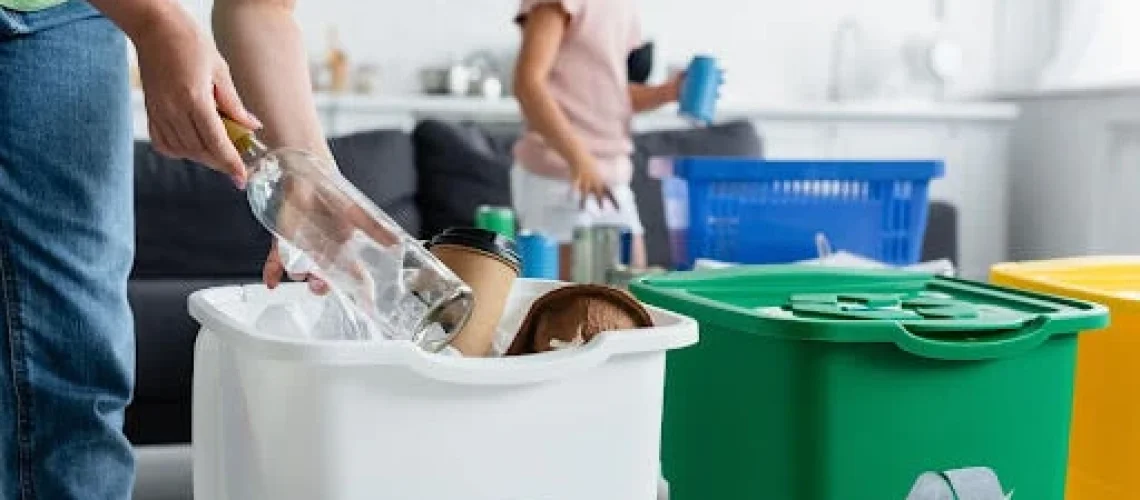
Every household generates waste daily, from food scraps and packaging materials to old clothes and broken household items.
As populations grow and consumption increases, managing household waste has become a significant challenge worldwide. Reducing waste not only helps protect the environment but can also save money and create a cleaner, healthier living space. Fortunately, small changes in daily habits can make a big difference.
Why Reducing Household Waste Matters
Household waste often ends up in landfills, where it can contribute to pollution, greenhouse gas emissions, and environmental degradation. Excessive waste also strains municipal waste management systems and increases disposal costs. By reducing the amount of waste produced at home, families can contribute to a more sustainable future while conserving valuable resources.
Plan Your Purchases Carefully
One of the easiest ways to reduce waste is to buy only what you need. Impulse purchases often lead to unused items that eventually become waste.
Before shopping:
- Make a shopping list.
- Check existing supplies at home.
- Avoid buying in excess.
- Choose products with minimal packaging.
Planning purchases helps reduce unnecessary consumption and lowers the amount of waste generated.
Reduce Food Waste
Food waste is one of the largest contributors to household waste. Many families throw away food because it spoils before being used.
To minimize food waste:
- Plan meals for the week.
- Store food properly.
- Use leftovers creatively.
- Freeze excess food.
- Understand expiration labels and consume items before they spoil.
Reducing food waste saves money and decreases the environmental impact of food production.
Embrace Reusable Alternatives
Single-use products create significant waste. Replacing disposable items with reusable alternatives can dramatically reduce household trash.
Consider using:
- Reusable shopping bags.
- Refillable water bottles.
- Cloth napkins.
- Reusable food containers.
- Rechargeable batteries.
These alternatives often last for years and reduce long-term expenses.
Start Composting
Organic waste such as fruit peels, vegetable scraps, coffee grounds, and yard waste can be composted instead of thrown away.
Benefits of composting include:
- Reducing landfill waste.
- Producing nutrient-rich soil.
- Supporting home gardening.
- Lowering methane emissions from decomposing organic matter.
Even households with limited space can use small compost bins or community composting programs.
Recycle Correctly
Recycling helps divert waste from landfills and conserves natural resources. However, effective recycling requires proper sorting.
Common recyclable materials include:
- Paper and cardboard.
- Glass bottles and jars.
- Aluminum cans.
- Certain plastics.
Learn your local recycling guidelines to ensure recyclable materials are processed correctly.
Repair Instead of Replacing
Many household items can be repaired rather than discarded. Clothing, furniture, electronics, and appliances often have longer lifespans than people realize.
Before replacing an item:
- Check if it can be repaired.
- Look for replacement parts.
- Consider professional repair services.
- Learn simple DIY repair skills.
Repairing items reduces waste and often costs less than buying new products.
Donate Unwanted Items
Items you no longer need may still be useful to others. Donating extends the life of products and prevents unnecessary waste.
Consider donating:
- Clothing.
- Furniture.
- Books.
- Toys.
- Household appliances.
Local charities, community groups, and thrift stores often welcome gently used items.
Choose Durable Products
Buying high-quality products that last longer helps reduce waste over time. While durable goods may cost more initially, they often prove more economical in the long run.
Look for products that are:
- Well-made.
- Repairable.
- Recyclable.
- Designed for long-term use.
A focus on quality rather than quantity can significantly reduce household waste generation.
Reduce Paper Usage
Many households still generate large amounts of paper waste. Going digital where possible can help.
Simple steps include:
- Receiving bills electronically.
- Using digital documents.
- Opting out of unnecessary mail.
- Printing only when necessary.
These practices save paper and reduce clutter.
Teach the Entire Family
Waste reduction works best when everyone participates. Educating family members about sustainable habits encourages long-term change.
You can:
- Set recycling goals.
- Involve children in composting.
- Discuss the environmental impact of waste.
- Celebrate waste-reduction achievements.
Small collective efforts can lead to substantial results over time.
Conclusion
Reducing household waste does not require drastic lifestyle changes. By planning purchases, minimizing food waste, using reusable products, composting, recycling properly, repairing items, and encouraging sustainable habits within the family, households can significantly decrease their environmental footprint. Every small action contributes to a cleaner community, a healthier planet, and a more sustainable future for generations to come.
