

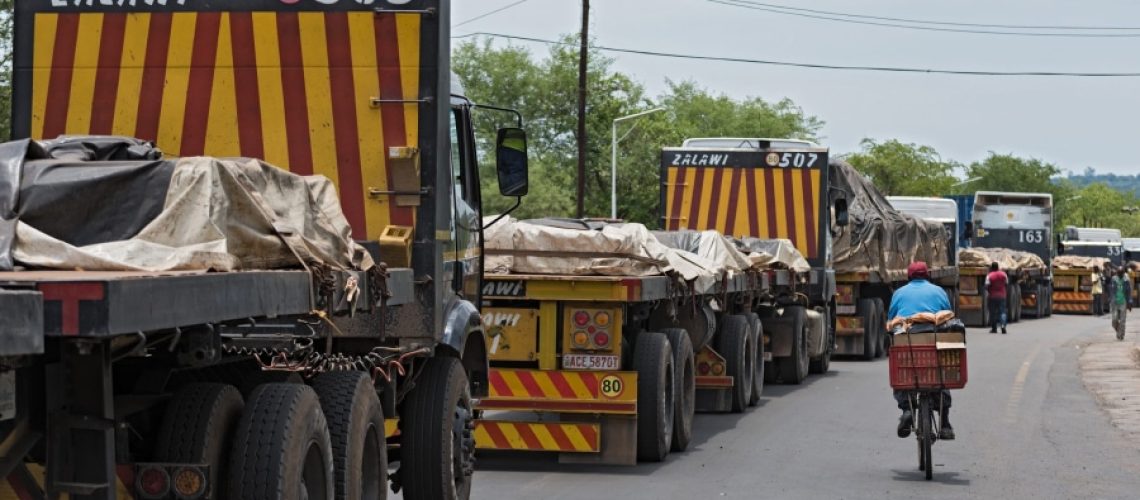
Logistics plays a vital role in connecting communities to goods, services, and economic opportunities.
While urban areas often benefit from well-developed transportation networks and supply chains, rural communities continue to face significant logistical challenges. These obstacles affect access to food, healthcare, education, agricultural markets, and essential consumer goods. Across Africa and other developing regions, improving rural logistics remains a critical step toward sustainable development and economic growth.
Poor Transportation Infrastructure
One of the biggest logistics challenges facing rural communities is inadequate transportation infrastructure. Many rural roads are unpaved, poorly maintained, or become impassable during rainy seasons. This makes it difficult for vehicles to transport goods efficiently.
Poor road conditions often result in:
- Delayed deliveries
- Increased transportation costs
- Damage to goods during transit
- Limited access to markets and services
Farmers and small business owners frequently struggle to move their products to urban markets, reducing their profitability and economic opportunities.
High Transportation Costs
Delivering goods to remote areas is often more expensive than serving urban locations. Logistics providers face higher fuel consumption, longer travel distances, and increased vehicle maintenance costs when operating in rural regions.
These additional expenses are typically passed on to consumers, leading to:
- Higher product prices
- Reduced availability of goods
- Limited competition among suppliers
As a result, rural residents often pay more for basic necessities than their urban counterparts.
Limited Access to Distribution Networks
Many logistics companies prioritize densely populated areas where delivery volumes are higher and operations are more profitable. Rural communities may have few warehouses, distribution centers, or delivery hubs nearby.
This creates several problems:
- Longer delivery times
- Inconsistent product availability
- Difficulty accessing e-commerce services
- Reduced business opportunities for local entrepreneurs
Without strong distribution networks, rural communities remain disconnected from modern supply chains.
Challenges in Agricultural Logistics
Agriculture is the backbone of many rural economies, yet farmers often face serious logistical difficulties. Transporting crops, livestock, and agricultural products requires reliable roads, storage facilities, and market access.
Common agricultural logistics challenges include:
- Lack of cold storage facilities
- Post-harvest losses due to delays
- Limited transportation options
- Difficulty reaching profitable markets
Many farmers are forced to sell products at lower prices to middlemen because they cannot transport goods directly to larger markets.
Inadequate Storage Facilities
Storage infrastructure is essential for preserving products and reducing waste. However, many rural areas lack warehouses, refrigeration systems, and secure storage facilities.
The consequences include:
- Food spoilage
- Increased post-harvest losses
- Reduced product quality
- Financial losses for producers
For perishable goods such as fruits, vegetables, dairy products, and fish, inadequate storage can significantly reduce incomes and food security.
Limited Digital Connectivity
Modern logistics increasingly relies on digital technologies for tracking shipments, managing inventory, and coordinating deliveries. However, many rural communities still experience poor internet connectivity and limited access to digital tools.
This digital divide creates challenges such as:
- Difficulty using online marketplaces
- Limited access to e-commerce opportunities
- Poor communication between suppliers and customers
- Reduced visibility within supply chains
Without reliable digital infrastructure, rural businesses may struggle to compete in modern markets.
Healthcare Logistics Challenges
Efficient logistics is essential for delivering medicines, vaccines, and medical supplies. Rural healthcare facilities often face delays in receiving critical resources due to transportation and supply chain constraints.
These challenges can lead to:
- Medicine shortages
- Delayed emergency response
- Reduced healthcare quality
- Poor health outcomes
Reliable logistics systems are particularly important during disease outbreaks and public health emergencies.
Seasonal and Weather-Related Disruptions
Weather conditions can severely impact logistics operations in rural areas. Heavy rains, floods, droughts, and storms often damage roads and transportation infrastructure.
Seasonal disruptions may result in:
- Isolated communities
- Delayed deliveries
- Increased transportation costs
- Supply shortages
Climate change is making these disruptions more frequent and severe in many regions.
Limited Investment and Funding
Developing rural logistics infrastructure requires significant investment. Unfortunately, many rural areas receive less public and private funding than urban centers.
Investment gaps often affect:
- Road construction and maintenance
- Warehousing facilities
- Transportation services
- Digital infrastructure
Without adequate funding, logistics challenges can persist for years, slowing economic development.
Potential Solutions
Addressing rural logistics challenges requires collaboration between governments, businesses, development organizations, and local communities. Key solutions include:
Infrastructure Development
Investing in roads, bridges, and transportation networks can improve accessibility and reduce logistics costs.
Rural Distribution Hubs
Establishing local warehouses and distribution centers can shorten delivery times and improve supply chain efficiency.
Technology Adoption
Digital platforms, mobile applications, and GPS tracking systems can enhance logistics coordination and market access.
Improved Storage Facilities
Building warehouses and cold storage facilities can reduce spoilage and support agricultural productivity.
Public-Private Partnerships
Collaboration between governments and private logistics providers can accelerate infrastructure development and service expansion.
Community-Based Logistics Models
Local cooperatives and community transport initiatives can help overcome last-mile delivery challenges.
Conclusion
Logistics challenges continue to hinder economic growth and quality of life in many rural communities. Poor infrastructure, high transportation costs, inadequate storage, and limited digital connectivity create barriers to development and market access. However, targeted investments, technological innovation, and stronger partnerships can transform rural logistics systems. By improving connectivity and supply chains, rural communities can unlock new opportunities, strengthen local economies, and enhance access to essential goods and services.
