

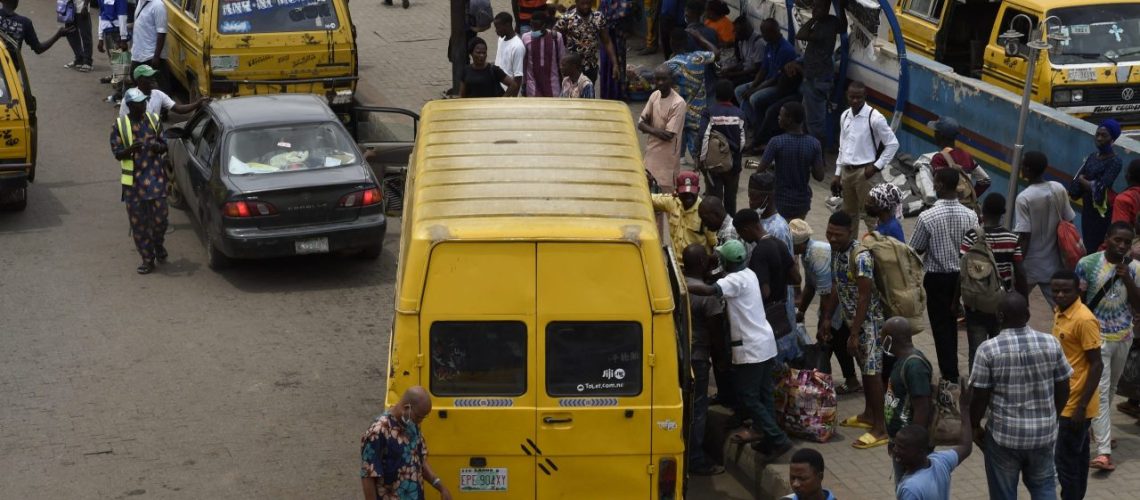
Transportation plays a vital role in the growth and development of African cities.
As urban populations continue to increase, the demand for efficient, affordable, and reliable transportation systems has become more important than ever. Major African cities are adopting innovative transport solutions to address traffic congestion, improve mobility, and support economic activities. From modern rail networks to ride-hailing services, efficient transportation options are transforming the way people move across the continent.
The Growing Need for Better Urban Mobility
Africa is experiencing rapid urbanization, with millions of people moving to cities in search of opportunities. While urban growth creates economic benefits, it also places significant pressure on existing transportation infrastructure. Traffic congestion, long commuting times, and inadequate public transit systems can reduce productivity and affect quality of life.
To meet these challenges, city governments and private-sector innovators are investing in transportation systems that make commuting faster, safer, and more sustainable.
Bus Rapid Transit (BRT) Systems
Bus Rapid Transit systems have emerged as one of the most effective transportation solutions in several African cities. BRT networks use dedicated bus lanes, allowing buses to bypass traffic and maintain predictable travel times.
Benefits of BRT Systems
- Faster travel compared to regular buses
- Reduced traffic congestion
- Lower transportation costs for commuters
- Environmentally friendly mass transit option
Cities such as Lagos, Johannesburg, and Dar es Salaam have successfully implemented BRT systems, helping thousands of residents travel efficiently each day.
Urban Rail and Metro Networks
Rail transportation is gaining momentum across Africa as cities seek long-term solutions to growing traffic problems.
Advantages of Rail Transport
- High passenger capacity
- Reduced road congestion
- Lower carbon emissions
- Reliable travel schedules
Examples include commuter rail systems in cities like Cairo, Nairobi, and Addis Ababa. Modern rail projects continue to expand, offering residents convenient alternatives to road transport.
Ride-Hailing and Mobility Apps
The rise of smartphone technology has revolutionized urban transportation across Africa. Ride-hailing platforms allow users to book transportation quickly and conveniently through mobile applications.
Popular Benefits
- Improved convenience
- Transparent pricing
- Enhanced safety features
- Reduced waiting times
In many cities, ride-hailing services have become essential for both daily commuting and occasional travel. They also create employment opportunities for thousands of drivers.
Motorcycle and Tricycle Transport
Motorcycles and tricycles remain important transportation options, especially in cities where road networks are congested or underserved.
Why They Remain Popular
- Ability to navigate traffic quickly
- Accessibility in hard-to-reach areas
- Affordable fares
- Flexible routes
Although regulations vary by city, these transport modes continue to fill critical mobility gaps for urban residents.
Cycling Infrastructure and Micro-Mobility
Several African cities are beginning to promote cycling as a sustainable transportation option. Investments in bicycle lanes and pedestrian-friendly infrastructure encourage residents to choose healthier and environmentally friendly ways to travel.
Benefits of Cycling
- Reduced transportation expenses
- Lower environmental impact
- Improved public health
- Reduced road congestion
As awareness of sustainability grows, cycling is expected to become a more common feature of urban mobility strategies.
Water Transportation
For coastal and riverside cities, water transport offers an efficient alternative to crowded roads.
Advantages of Water Transit
- Reduced pressure on road networks
- Faster travel on certain routes
- Potential for lower emissions
- Expanded connectivity
Cities with significant waterways are increasingly exploring ferry services and water-based transit systems to improve mobility.
Smart Transportation Technologies
Technology is playing a major role in shaping the future of transportation in African cities. Smart traffic management systems, digital payment solutions, and real-time transit tracking are improving efficiency and convenience.
Emerging Innovations
- Contactless fare payments
- Real-time traffic monitoring
- GPS-enabled public transport tracking
- Integrated mobility platforms
These innovations help commuters make informed travel decisions while enabling city authorities to manage transportation networks more effectively.
Challenges Facing Urban Transportation
Despite progress, several challenges remain:
- Rapid population growth
- Insufficient infrastructure funding
- Traffic congestion
- Road maintenance issues
- Environmental concerns
Addressing these obstacles will require continued investment, policy reforms, and collaboration between governments and private stakeholders.
The Future of Transportation in Africa
The future of transportation in Africa is likely to be shaped by sustainability, technology, and integrated mobility solutions. Investments in public transit, smart infrastructure, and environmentally friendly transport options will be essential for supporting growing urban populations.
As major African cities continue to modernize, efficient transportation systems will play a critical role in improving productivity, reducing congestion, and enhancing the overall quality of urban life.
Conclusion
Efficient transportation is fundamental to the success of Africa’s rapidly expanding cities. From Bus Rapid Transit systems and urban rail networks to ride-hailing platforms and smart mobility technologies, African cities are embracing innovative solutions to meet evolving transportation needs. Continued investment in sustainable and accessible transportation will help create more connected, productive, and livable urban environments for millions of residents across the continent.
