

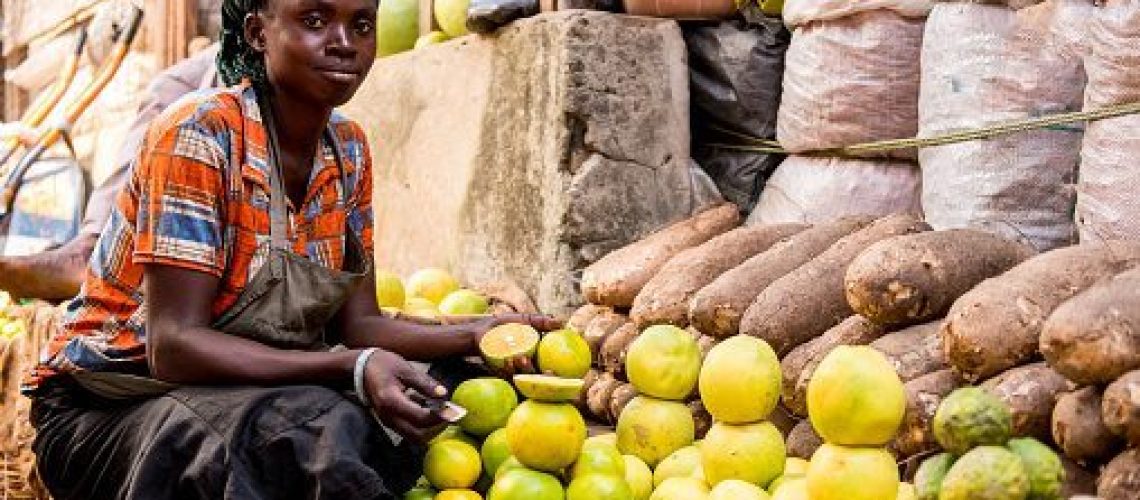
Across Africa, women entrepreneurs are transforming industries, creating jobs, and driving economic growth.
From technology startups and agricultural enterprises to fashion brands and financial services, women-owned businesses are becoming powerful forces in local and regional markets. Their contributions are not only improving livelihoods but also reshaping how business is conducted across the continent.
As access to education, technology, and financing gradually improves, more African women are stepping into leadership roles and building enterprises that address everyday challenges. Their success stories demonstrate resilience, innovation, and the growing influence of women in Africa’s economic future.
The Rise of Female Entrepreneurship in Africa
Africa has one of the highest rates of female entrepreneurship in the world. In many countries, women operate small and medium-sized enterprises that serve local communities while contributing significantly to national economies.
Several factors have contributed to this growth:
- Increased access to education and business training
- Expansion of mobile technology and digital platforms
- Growing support from governments and development organizations
- Improved access to microfinance and startup funding
- Rising demand for locally produced goods and services
Women are increasingly moving beyond traditional sectors and entering industries such as technology, renewable energy, logistics, and e-commerce.
Driving Innovation Through Local Solutions
One of the strengths of women entrepreneurs is their ability to identify practical solutions to everyday problems. Many female-led businesses are built around addressing challenges faced by families, communities, and underserved populations.
For example, women entrepreneurs are developing:
- Digital payment solutions for small businesses
- Agricultural technologies that improve crop yields
- Affordable healthcare services
- Online marketplaces connecting producers to consumers
- Sustainable fashion and manufacturing businesses
These innovations often emerge from firsthand experiences, allowing entrepreneurs to create products and services that meet real market needs.
Expanding Opportunities Through E-Commerce
The rapid growth of internet access and mobile technology has opened new opportunities for women-owned businesses. E-commerce platforms enable entrepreneurs to reach customers beyond their local communities and expand into regional and international markets.
Online business tools allow women to:
- Market products through social media
- Accept digital payments
- Manage inventory efficiently
- Build customer relationships
- Sell products across borders
As digital adoption increases, more women are using technology to compete in larger markets and grow their businesses faster than ever before.
Creating Employment and Economic Growth
Women entrepreneurs play a vital role in job creation. Small and medium-sized enterprises led by women employ millions of people across Africa, providing income opportunities for families and communities.
These businesses contribute to economic development by:
- Generating employment
- Supporting local supply chains
- Encouraging innovation
- Increasing household incomes
- Promoting inclusive economic participation
When women succeed in business, the benefits often extend beyond individual entrepreneurs to entire communities.
Transforming Agriculture and Food Markets
Agriculture remains one of Africa’s most important industries, and women are heavily involved throughout the value chain. Female entrepreneurs are introducing modern farming techniques, food processing operations, and distribution networks that improve productivity and market access.
Their efforts help:
- Reduce food waste
- Increase food security
- Improve farmer incomes
- Expand market opportunities
- Strengthen rural economies
By embracing technology and innovation, women are helping modernize agricultural markets across the continent.
Overcoming Challenges
Despite significant progress, women entrepreneurs continue to face obstacles that can limit business growth.
Common challenges include:
- Limited access to capital
- Gender-based discrimination
- Restricted access to land ownership
- Limited business networks
- Regulatory and bureaucratic barriers
Addressing these challenges requires collaboration between governments, financial institutions, private organizations, and development partners to create more inclusive business environments.
The Importance of Financial Inclusion
Access to finance remains one of the most critical factors for entrepreneurial success. Mobile banking, digital lending platforms, and microfinance institutions are helping bridge funding gaps for women entrepreneurs.
Financial inclusion enables business owners to:
- Invest in growth opportunities
- Purchase equipment and inventory
- Hire employees
- Expand operations
- Build financial resilience
As financial services become more accessible, women-owned businesses are gaining greater opportunities to scale and compete.
Inspiring the Next Generation
Successful women entrepreneurs serve as role models for young Africans. Their achievements challenge stereotypes, inspire confidence, and encourage future generations to pursue entrepreneurship.
Many business leaders actively mentor aspiring entrepreneurs through training programs, networking events, and educational initiatives. This support helps build a stronger entrepreneurial ecosystem that benefits the entire continent.
The Future of Women-Led Businesses in Africa
The future looks promising for women entrepreneurs across Africa. Continued improvements in technology, education, financial access, and policy support are creating an environment where women can thrive as business leaders.
Emerging sectors such as fintech, renewable energy, digital services, health technology, and e-commerce present significant opportunities for growth. As more women enter these industries, their influence on African markets will continue to expand.
Conclusion
Women entrepreneurs are reshaping African markets through innovation, determination, and leadership. Their businesses create jobs, solve local challenges, drive economic growth, and inspire future generations. While obstacles remain, the progress achieved so far highlights the enormous potential of female entrepreneurship across the continent.
As support systems continue to improve, women-led enterprises will play an increasingly important role in building prosperous, inclusive, and sustainable African economies for years to come.
