

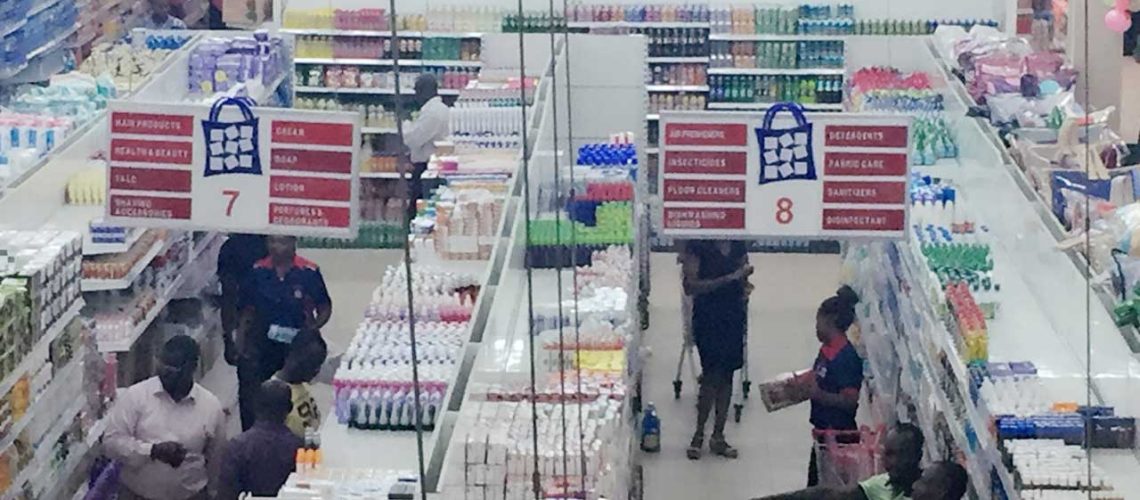
Africa’s retail sector is experiencing remarkable growth, driven by rapid urbanization, a growing middle class, increased internet penetration, and changing consumer preferences.
Across the continent, both traditional and modern retail formats are expanding, creating new opportunities for businesses, investors, and consumers alike.
From bustling open-air markets to sophisticated shopping malls and thriving e-commerce platforms, Africa’s retail landscape is evolving at an unprecedented pace. Several countries are emerging as retail powerhouses, attracting local and international brands eager to tap into the continent’s growing consumer market.
Key Drivers of Retail Growth in Africa
1. Rapid Urbanization
Africa is urbanizing faster than many other regions of the world. Millions of people move to cities each year in search of better employment opportunities and improved living standards. This urban growth increases demand for retail products, including food, clothing, electronics, and household goods.
Cities such as Lagos, Nairobi, Cairo, Johannesburg, and Accra have become major retail hubs where consumers have greater access to both local and international brands.
2. Expanding Middle Class
The rise of Africa’s middle class has significantly increased purchasing power across many countries. As disposable incomes grow, consumers are spending more on quality products, convenience, and lifestyle-related purchases.
This shift has encouraged retailers to diversify their offerings and invest in modern shopping experiences.
3. Growth of E-Commerce
Online shopping continues to transform retail across Africa. Mobile technology and digital payment systems have made it easier for consumers to purchase products from their smartphones.
E-commerce platforms are helping businesses reach customers in areas where physical retail infrastructure may be limited, creating new opportunities for growth.
4. Young Population
Africa has one of the world’s youngest populations. Younger consumers tend to adopt new shopping trends quickly, embrace digital platforms, and influence purchasing decisions within households.
Retailers increasingly target this demographic through social media marketing, mobile commerce, and innovative customer experiences.
Africa’s Fastest-Growing Retail Markets
Nigeria
Nigeria remains Africa’s largest consumer market due to its massive population and vibrant entrepreneurial culture. Retail activity is expanding across major cities such as Lagos, Abuja, Port Harcourt, and Kano.
The country’s retail sector benefits from:
- A large and youthful population
- Rapid adoption of digital payments
- Expanding supermarket chains
- Growth in online shopping
- Increasing demand for locally manufactured products
Despite infrastructure challenges, Nigeria continues to attract significant retail investment.
Kenya
Kenya has emerged as East Africa’s retail leader. The country’s strong mobile payment ecosystem and growing middle-income population have fueled retail expansion.
Key factors driving growth include:
- High mobile money adoption
- Modern shopping centers
- Growing urban populations
- Strong entrepreneurial ecosystem
- Increasing consumer confidence
Nairobi serves as a regional retail hub for many international brands entering East Africa.
Ghana
Ghana’s stable economy and favorable business environment have helped accelerate retail development. Shopping malls, supermarkets, and convenience stores continue to expand across major urban centers.
Retail growth is supported by:
- Rising household incomes
- Urban development projects
- Expanding consumer spending
- Strong investor confidence
Many international retailers view Ghana as a strategic entry point into West Africa.
Egypt
Egypt possesses one of Africa’s largest retail economies. With a large population and expanding urban centers, the country continues to attract significant retail investment.
Major growth drivers include:
- Population growth
- Increased consumer demand
- Expansion of shopping malls
- Growth in online retail
- Government infrastructure investments
Both luxury and affordable retail segments are seeing substantial growth.
South Africa
South Africa remains the continent’s most developed retail market. The country boasts sophisticated retail infrastructure, established supply chains, and strong consumer spending patterns.
Key strengths include:
- Modern shopping centers
- Advanced logistics networks
- Established retail brands
- Growing e-commerce sector
- Diverse consumer base
South Africa often serves as a testing ground for new retail concepts before expansion into other African markets.
Rwanda
Rwanda’s retail sector has gained momentum thanks to strong economic reforms and rapid urban development.
Factors contributing to growth include:
- Business-friendly policies
- Improved infrastructure
- Rising urban incomes
- Expanding tourism industry
- Increased foreign investment
Kigali has become a notable destination for retail and commercial development.
The Rise of Modern Retail Formats
While traditional markets continue to play a critical role across Africa, modern retail formats are gaining popularity.
These include:
- Supermarkets
- Hypermarkets
- Shopping malls
- Convenience stores
- Specialty retail outlets
- Online marketplaces
Consumers increasingly value convenience, product variety, and improved shopping experiences, encouraging retailers to modernize their operations.
Challenges Facing Retail Growth
Despite impressive progress, several challenges remain:
Infrastructure Limitations
Poor road networks, unreliable electricity, and logistical bottlenecks can increase operating costs for retailers.
Inflation and Currency Fluctuations
Economic instability in some countries can affect consumer purchasing power and business profitability.
Supply Chain Complexity
Retailers often face challenges sourcing products efficiently across vast geographic regions.
Regulatory Hurdles
Complex regulations and varying business requirements across countries can slow expansion efforts.
Future Outlook
The future of Africa’s retail sector appears highly promising. Continued urbanization, digital transformation, and population growth are expected to drive consumer spending for decades to come.
Retailers that understand local consumer preferences, embrace technology, and invest in efficient supply chains will be well-positioned for success. The combination of traditional commerce and modern retail innovation is creating one of the most exciting retail growth stories in the global economy.
Conclusion
Africa’s fastest-growing retail markets are reshaping the continent’s economic landscape. Countries such as Nigeria, Kenya, Ghana, Egypt, South Africa, and Rwanda are demonstrating how rising incomes, urban development, and technological innovation can fuel retail expansion.
As consumer demand continues to evolve, Africa’s retail sector will remain a key driver of economic growth, entrepreneurship, and investment opportunities. Businesses that adapt to changing market dynamics can benefit significantly from the immense potential offered by Africa’s rapidly growing consumer markets.
