

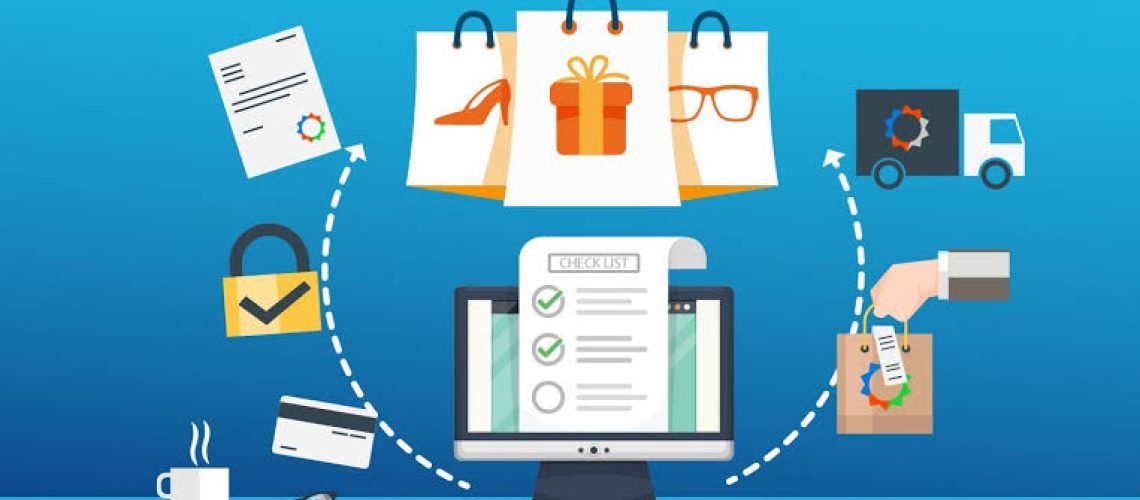
The rapid growth of e-commerce across Africa and the world has transformed the way people buy and sell goods.
Consumers now expect fast deliveries, accurate order tracking, affordable shipping costs, and seamless shopping experiences. To meet these demands, logistics companies and online retailers are embracing innovative solutions that improve efficiency, reduce costs, and enhance customer satisfaction. These logistics innovations are playing a critical role in supporting the continued expansion of e-commerce.
The Growing Importance of Logistics in E-Commerce
Logistics serves as the backbone of e-commerce. While online platforms make purchasing easy, the success of an e-commerce business often depends on its ability to move products from sellers to customers efficiently. Delayed deliveries, damaged goods, or poor tracking systems can negatively affect customer trust and business growth.
As online shopping becomes increasingly popular, especially in emerging markets across Africa, logistics providers are investing in technologies and strategies that address challenges such as traffic congestion, poor infrastructure, and last-mile delivery complexities.
Smart Warehousing and Automation
One of the most significant innovations in modern logistics is the development of smart warehouses. These facilities use automation technologies to streamline inventory management and order fulfillment.
Automated systems can:
- Track inventory in real time
- Reduce human errors
- Speed up order processing
- Improve stock accuracy
- Optimize warehouse space utilization
Robotics and automated sorting systems are increasingly helping large e-commerce companies process thousands of orders quickly, enabling faster deliveries and lower operational costs.
Real-Time Tracking and Visibility
Today’s consumers want transparency throughout the delivery process. Real-time tracking technology has become a key logistics innovation that enhances customer confidence.
Using GPS technology and cloud-based logistics platforms, customers can:
- Monitor shipment progress
- Receive delivery updates
- Estimate arrival times
- Communicate with delivery personnel
For businesses, real-time visibility allows better route planning, improved fleet management, and quicker responses to delays or disruptions.
Artificial Intelligence in Logistics
Artificial Intelligence (AI) is revolutionizing logistics operations worldwide. AI-powered systems analyze large amounts of data to improve decision-making and operational efficiency.
Applications of AI in logistics include:
- Demand forecasting
- Route optimization
- Inventory planning
- Delivery scheduling
- Customer service automation
By predicting purchasing patterns and identifying the most efficient delivery routes, AI helps businesses reduce costs while improving customer satisfaction.
Last-Mile Delivery Innovations
Last-mile delivery, the final stage of transporting goods to customers, is often the most expensive and challenging part of the logistics process.
To improve efficiency, companies are adopting innovative solutions such as:
Delivery Hubs and Pickup Stations
Many e-commerce platforms now use strategically located pickup points where customers can collect orders at their convenience. This approach reduces delivery costs and improves accessibility in areas with difficult addressing systems.
Crowdsourced Delivery Networks
Some companies partner with independent drivers, motorcycle riders, and local couriers to expand delivery capacity. This flexible model allows businesses to handle increasing order volumes while reaching underserved communities.
Smart Route Optimization
Advanced software analyzes traffic conditions, weather patterns, and delivery schedules to determine the fastest and most efficient routes, reducing fuel consumption and delivery times.
Mobile Technology and Digital Payments
Mobile technology has significantly improved logistics management across Africa. Delivery personnel can use mobile applications to:
- Confirm deliveries instantly
- Capture customer signatures
- Communicate with dispatch centers
- Update delivery statuses in real time
The rise of mobile money and digital payment platforms also supports smoother e-commerce transactions. Customers can pay securely online, reducing the reliance on cash-on-delivery systems and improving transaction efficiency.
Data Analytics for Better Decision-Making
Data analytics enables logistics companies to gain valuable insights into customer behavior, shipping trends, and operational performance.
Benefits include:
- Improved demand forecasting
- Better inventory management
- Reduced delivery delays
- Enhanced customer experiences
- More efficient resource allocation
By leveraging data, businesses can identify inefficiencies and make informed decisions that support sustainable growth.
Sustainable Logistics Solutions
As environmental concerns grow, logistics providers are increasingly adopting eco-friendly practices.
Examples include:
- Electric delivery vehicles
- Fuel-efficient transportation methods
- Recyclable packaging materials
- Route optimization to reduce emissions
- Consolidated deliveries
Sustainable logistics not only benefits the environment but can also reduce operating costs and strengthen brand reputation among environmentally conscious consumers.
Innovations Driving E-Commerce Growth in Africa
Africa’s e-commerce sector presents unique opportunities and challenges. Logistics innovations are helping bridge infrastructure gaps and improve access to online retail services.
Key developments include:
- Motorcycle delivery networks in urban areas
- Mobile-based logistics platforms
- Digital address systems
- Regional fulfillment centers
- Cross-border logistics solutions
These innovations are enabling businesses to serve customers in both major cities and remote communities, expanding the reach of e-commerce across the continent.
The Future of E-Commerce Logistics
The future of logistics will be shaped by continued technological advancement. Emerging innovations such as autonomous vehicles, drone deliveries, blockchain-based supply chain tracking, and advanced AI systems have the potential to further transform e-commerce operations.
Businesses that invest in modern logistics solutions will be better positioned to meet evolving consumer expectations and compete in increasingly dynamic markets.
Conclusion
Logistics innovation has become a critical driver of e-commerce growth. From smart warehouses and AI-powered analytics to real-time tracking and last-mile delivery solutions, modern logistics technologies are helping businesses deliver products faster, more efficiently, and more reliably than ever before.
As e-commerce continues to expand across Africa and beyond, logistics providers will play an increasingly important role in connecting businesses with customers. Companies that embrace innovation in their logistics operations will not only improve customer satisfaction but also unlock new opportunities for growth in the digital economy.
