

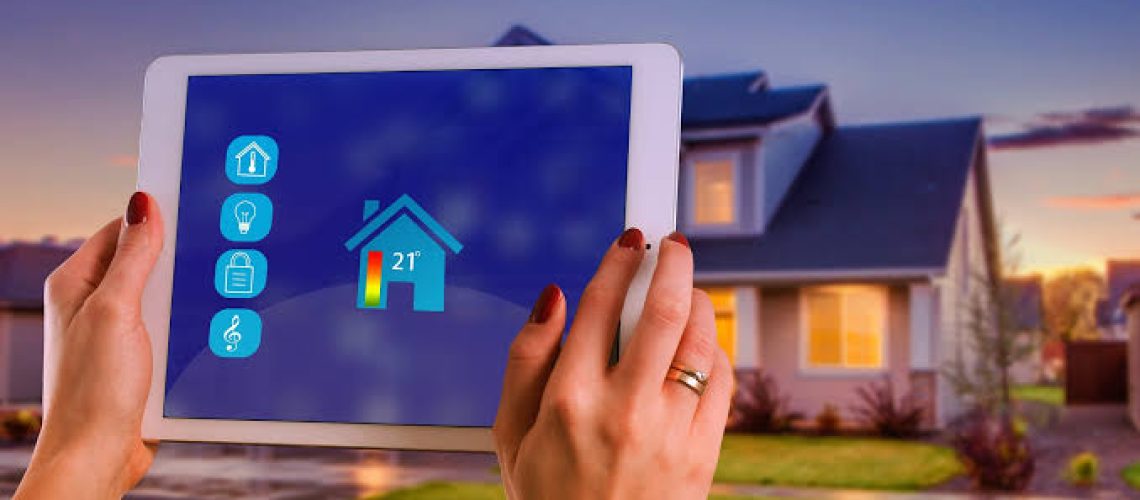
Smart home technology, once considered a luxury reserved for high-income households in developed countries, is increasingly becoming accessible to African consumers.
Advances in mobile connectivity, affordable smart devices, expanding internet coverage, and growing urbanization are driving the adoption of smart home solutions across the continent. From smart security systems and energy-saving devices to voice-controlled assistants and automated appliances, African households are beginning to embrace technologies that improve convenience, safety, and efficiency.
As cities grow and digital transformation accelerates, smart home technologies are creating new opportunities for consumers, businesses, and innovators throughout Africa.
What Are Smart Home Technologies?
Smart home technologies refer to devices and systems connected through the internet or local networks that allow homeowners to monitor, control, and automate various household functions. These technologies often operate through smartphone applications, voice commands, or automated schedules.
Common smart home devices include:
- Smart security cameras
- Video doorbells
- Smart locks
- Smart lighting systems
- Smart thermostats
- Voice assistants
- Smart televisions
- Connected appliances
- Energy management systems
- Smart irrigation systems
These devices are designed to make homes more comfortable, secure, and energy-efficient.
Factors Driving Adoption in Africa
Increased Smartphone Usage
Africa has experienced remarkable growth in smartphone ownership over the past decade. Smartphones serve as the primary control hub for many smart home devices, making adoption easier for consumers already comfortable with mobile technology.
As affordable smartphones become more widely available, more households gain access to smart home ecosystems.
Expanding Internet Connectivity
Improved broadband infrastructure and expanding mobile internet networks are supporting the growth of connected devices. Fiber-optic investments, 4G coverage expansion, and emerging 5G deployments in several African countries are making smart technologies more practical for everyday use.
Reliable connectivity allows homeowners to monitor and control their homes remotely.
Urbanization and Modern Housing Developments
Africa’s rapidly growing cities are creating demand for modern housing solutions. New residential estates and apartment complexes increasingly incorporate smart security systems, access controls, and energy-efficient technologies.
Property developers are using smart features as a selling point for middle-class and upper-income buyers seeking convenience and modern lifestyles.
Rising Security Concerns
Security remains a major concern for many households across the continent. Smart surveillance cameras, motion sensors, automated gates, and remote monitoring systems are becoming attractive solutions for homeowners seeking greater peace of mind.
Many smart security systems allow users to receive real-time alerts and monitor their properties from anywhere.
Popular Smart Home Technologies in African Markets
Smart Security Systems
Security technologies are among the most widely adopted smart home products in Africa. Consumers are investing in:
- Wireless security cameras
- Motion detectors
- Smart alarm systems
- Remote-access gates
- Video intercom systems
These solutions offer improved protection while reducing the need for constant physical monitoring.
Smart Lighting
Smart lighting systems allow homeowners to control lights remotely, create schedules, and reduce electricity consumption.
Benefits include:
- Lower energy costs
- Improved convenience
- Enhanced home security through automated lighting schedules
- Longer-lasting LED technology
As energy efficiency becomes increasingly important, smart lighting continues to gain popularity.
Smart Energy Management
Electricity costs and unreliable power supply in some regions have increased interest in energy-management technologies.
Consumers are adopting:
- Smart meters
- Energy monitoring devices
- Solar power monitoring systems
- Automated power backup controls
These solutions help households optimize electricity usage and reduce waste.
Voice-Controlled Assistants
Voice assistants are gradually entering African homes through smart speakers and smartphone integration. Consumers can use voice commands to control lights, play music, set reminders, and access information.
Although adoption remains concentrated in urban areas, awareness continues to grow as prices decline.
Smart Appliances
Connected household appliances are becoming more common among middle-income consumers.
Examples include:
- Smart refrigerators
- Connected washing machines
- Smart air conditioners
- Robot vacuum cleaners
These products offer convenience and greater control over household operations.
The Role of E-Commerce
Online shopping platforms have significantly increased access to smart home devices across Africa. Consumers can compare products, read reviews, and purchase technologies that may not be available in local stores.
Cross-border e-commerce has also enabled African consumers to access global brands and emerging technologies more easily than ever before.
Local online retailers are increasingly adding smart home categories to meet growing demand.
Challenges Facing Adoption
Cost Barriers
While prices have fallen considerably, many smart home products remain expensive relative to average household incomes in many African countries.
Import duties, shipping costs, and currency fluctuations can further increase prices.
Internet Reliability
Some smart home systems depend heavily on stable internet connections. In regions where connectivity remains inconsistent, device functionality may be limited.
Manufacturers that offer offline capabilities or hybrid connectivity options may find greater success in African markets.
Power Supply Issues
Frequent power interruptions can affect the performance of connected devices. However, many manufacturers are responding by incorporating battery backups and solar-powered solutions.
Limited Consumer Awareness
Many consumers remain unfamiliar with smart home technologies and their potential benefits. Education, demonstrations, and local success stories will play an important role in driving wider adoption.
Opportunities for African Innovators
The growth of smart home technologies presents opportunities for local entrepreneurs and technology companies.
Areas with strong potential include:
- Affordable smart security solutions
- Solar-powered smart devices
- Smart water management systems
- Local installation services
- Home automation consulting
- IoT software development
- Smart agriculture applications for residential users
By designing products specifically for African environments and infrastructure realities, local innovators can address unique market needs.
Future Outlook
The future of smart home technology in Africa appears promising. As device prices continue to decline, internet access expands, and consumer awareness grows, adoption is expected to increase significantly.
Integration with renewable energy systems, mobile payment platforms, and locally developed applications could accelerate growth even further. Smart homes may eventually become a standard feature in many urban residential developments across the continent.
The combination of digital transformation, urban growth, and technological innovation positions Africa as an emerging market for smart home solutions.
Conclusion
Smart home technologies are steadily transitioning from niche products to practical tools for African consumers. Security systems, smart lighting, connected appliances, and energy management solutions are helping households improve convenience, safety, and efficiency.
Although challenges such as affordability, connectivity, and infrastructure remain, ongoing technological advancements and growing consumer interest suggest a bright future for smart living across Africa. As innovation continues and costs decrease, smart homes are likely to become an increasingly common part of everyday life throughout the continent.
