

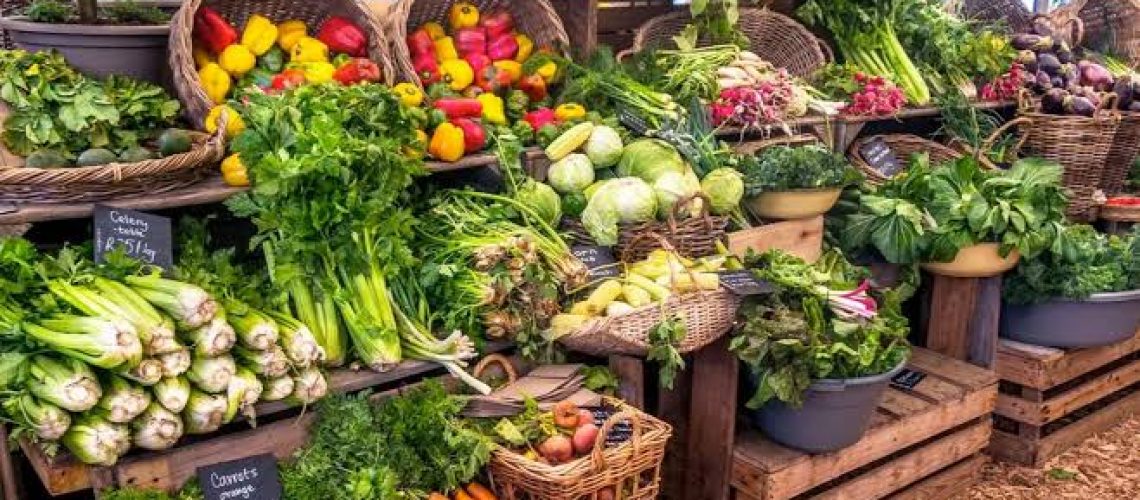
Agriculture remains one of Africa’s most important economic sectors, employing millions of people and contributing significantly to food security, trade, and industrial development.
Across the continent, agricultural markets serve as vital hubs where farmers, traders, processors, and consumers connect. These markets not only facilitate the exchange of goods but also support livelihoods and drive regional economic growth.
This article explores some of the top agricultural markets across Africa and their importance to local and international trade.
The Importance of Agricultural Markets
Agricultural markets play a critical role in the agricultural value chain. They provide farmers with access to buyers, help determine commodity prices, and enable the movement of agricultural products from rural areas to urban centers. Efficient markets reduce post-harvest losses, improve food availability, and increase farmers’ incomes.
As African economies continue to grow, agricultural markets are becoming more organized, incorporating digital technologies, better storage facilities, and improved transportation systems.
1. Dantokpa Market, Benin
Located in Cotonou, Dantokpa Market is one of West Africa’s largest open-air markets. While it is known for a wide range of goods, agricultural products form a significant portion of its daily trade.
Farmers and traders bring fresh produce such as maize, cassava, yams, vegetables, fruits, and spices to the market. Dantokpa serves as a major distribution center for agricultural products moving throughout Benin and neighboring countries.
Key Products
- Cassava
- Maize
- Yams
- Vegetables
- Palm oil
2. Mile 12 Market, Nigeria
Mile 12 Market in Lagos is one of Nigeria’s most important food markets. It acts as a central collection and distribution point for produce arriving from farming regions across the country.
Every day, thousands of traders buy and sell tomatoes, onions, peppers, grains, and other agricultural commodities. The market helps connect northern farming communities with consumers in southern Nigeria.
Key Products
- Tomatoes
- Onions
- Peppers
- Beans
- Rice
3. Addis Mercato, Ethiopia
Addis Mercato is one of Africa’s largest marketplaces and a major center for agricultural trade in Ethiopia. Farmers and wholesalers supply a wide variety of food products to the market.
The market supports both domestic consumption and export-oriented agriculture, particularly coffee, which remains one of Ethiopia’s most valuable agricultural exports.
Key Products
- Coffee
- Cereals
- Pulses
- Spices
- Oilseeds
4. Mbare Musika Market, Zimbabwe
Mbare Musika in Harare is Zimbabwe’s primary agricultural wholesale market. It plays a crucial role in supplying fresh produce to urban populations.
Farmers from across the country transport vegetables, fruits, grains, and livestock products to the market. The market’s activities significantly influence food prices throughout Zimbabwe.
Key Products
- Vegetables
- Fruits
- Maize
- Groundnuts
- Poultry products
5. Kibuye Market, Kenya
Located in Kisumu, Kibuye Market is among Kenya’s largest agricultural trading centers. It serves both local consumers and traders transporting goods to other regions.
The market supports smallholder farmers by providing access to buyers and competitive pricing opportunities.
Key Products
- Fresh vegetables
- Fruits
- Fish
- Maize
- Beans
6. Kumasi Central Market, Ghana
Kumasi Central Market is one of the largest markets in West Africa and serves as a major agricultural trading hub in Ghana.
Thousands of traders operate within the market, handling products from rural farming communities. The market contributes significantly to food distribution across the country.
Key Products
- Cocoa products
- Plantains
- Cassava
- Vegetables
- Fruits
7. City Deep Fresh Produce Market, South Africa
Located in Johannesburg, City Deep Fresh Produce Market is one of the continent’s most advanced agricultural markets. The facility handles massive volumes of fresh produce and utilizes modern trading systems.
It serves retailers, wholesalers, restaurants, and exporters, making it a critical part of South Africa’s agricultural supply chain.
Key Products
- Citrus fruits
- Apples
- Grapes
- Potatoes
- Vegetables
8. Souk El Had Market, Morocco
Souk El Had in Agadir is an important agricultural marketplace in North Africa. The market reflects Morocco’s strong agricultural sector, which produces fruits, vegetables, olives, and citrus products for domestic and export markets.
Key Products
- Citrus fruits
- Olives
- Dates
- Vegetables
- Herbs
Emerging Trends in African Agricultural Markets
Digital Marketplaces
Technology is transforming agricultural trade across Africa. Mobile applications and online platforms now help farmers connect directly with buyers, access market information, and receive digital payments.
Improved Logistics
Governments and private investors are improving roads, storage facilities, and transportation networks. These developments reduce spoilage and increase market efficiency.
Regional Trade Integration
The growth of regional trade agreements is creating larger markets for agricultural products. Farmers and traders increasingly benefit from cross-border commerce and expanded customer bases.
Value Addition
Many agricultural markets are encouraging processing activities such as milling, packaging, and food manufacturing. This adds value to raw agricultural products and creates additional employment opportunities.
Challenges Facing Agricultural Markets
Despite their importance, many African agricultural markets face challenges including:
- Poor infrastructure
- Limited cold storage facilities
- Post-harvest losses
- Price volatility
- Transportation costs
- Limited access to financing
Addressing these challenges can significantly improve food security and increase agricultural productivity across the continent.
Conclusion
Agricultural markets are the backbone of Africa’s food systems and rural economies. From Mile 12 Market in Nigeria to City Deep Fresh Produce Market in South Africa, these trading centers connect farmers with consumers, support livelihoods, and contribute to economic growth.
As technology adoption increases and infrastructure improves, Africa’s agricultural markets are expected to become even more efficient and influential. Strengthening these markets will be essential for achieving food security, boosting agricultural exports, and supporting sustainable economic development across the continent.
