

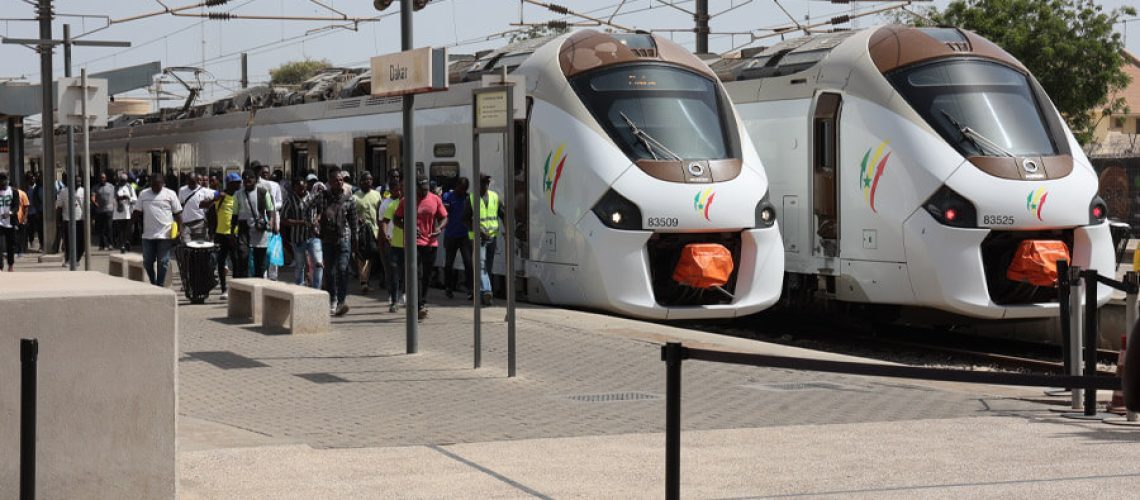
Transportation plays a vital role in economic growth, social development, and regional integration.
Across Africa, rapid urbanization, population growth, and expanding economic activities have placed enormous pressure on traditional transport systems. Traffic congestion, poor infrastructure, road safety challenges, and inefficient public transportation continue to affect millions of people daily. To address these issues, many African countries are embracing smart transportation systems that use technology, data, and innovation to improve mobility, efficiency, and sustainability.
Smart transportation systems are transforming how people and goods move across cities and countries, helping Africa build modern transport networks capable of supporting future growth.
What Are Smart Transportation Systems?
Smart transportation systems integrate digital technologies with transportation infrastructure to improve traffic management, public transit, road safety, and logistics operations. These systems use technologies such as:
- Artificial Intelligence (AI)
- Internet of Things (IoT)
- GPS tracking
- Mobile applications
- Smart sensors
- Big data analytics
- Electronic payment systems
- Automated traffic control systems
The goal is to create safer, faster, more reliable, and environmentally friendly transportation networks.
Why Africa Needs Smart Transportation Solutions
African cities are among the fastest-growing urban areas in the world. As urban populations increase, transportation challenges become more severe.
Key challenges include:
Traffic Congestion
Major cities such as Lagos, Nairobi, Cairo, Johannesburg, and Accra experience severe traffic congestion, leading to lost productivity and increased fuel consumption.
Inadequate Public Transport
Many cities struggle with overcrowded buses, limited rail systems, and inconsistent transport services.
Road Safety Concerns
Road accidents remain a major public health issue across the continent due to poor infrastructure, unsafe driving practices, and limited traffic management systems.
Logistics Inefficiencies
Businesses often face delays in transporting goods because of poor route planning, traffic bottlenecks, and inadequate transport infrastructure.
Smart transportation technologies help address these challenges while supporting economic growth.
Examples of Smart Transportation Innovations in Africa
Intelligent Traffic Management Systems
Several African cities are deploying intelligent traffic control systems that use sensors and cameras to monitor traffic flow in real time.
These systems can:
- Adjust traffic signals automatically
- Reduce congestion
- Detect accidents quickly
- Improve emergency response times
Cities implementing such technologies are seeing improvements in travel times and traffic efficiency.
Digital Ride-Hailing Services
Ride-hailing platforms have transformed urban mobility across Africa. Mobile applications allow passengers to book rides, track drivers, and make digital payments.
Benefits include:
- Greater convenience
- Improved safety
- Increased employment opportunities
- Reduced waiting times
Local and international platforms continue to expand their services across African cities.
Smart Public Transportation
Many cities are introducing digital ticketing systems and GPS-enabled buses that provide real-time tracking information to commuters.
Passengers can:
- View arrival times
- Plan journeys more effectively
- Make cashless payments
- Receive service updates
These innovations improve user experience and encourage greater use of public transportation.
Bus Rapid Transit (BRT) Systems
Bus Rapid Transit systems combine dedicated bus lanes with modern management technologies to increase transport efficiency.
Advantages include:
- Faster travel times
- Reduced congestion
- Lower operating costs
- Improved environmental performance
Several African cities have successfully adopted BRT systems as part of broader smart mobility strategies.
The Role of Mobile Technology
Africa’s high mobile phone penetration has accelerated the adoption of smart transportation solutions.
Mobile technologies enable:
- Digital ticket purchases
- Route planning
- Ride booking
- Traffic updates
- Cashless payments
- Vehicle tracking
For millions of Africans, smartphones have become essential tools for navigating urban transportation systems.
Smart Logistics and Freight Management
Efficient movement of goods is critical for economic development. Smart logistics systems use data analytics, GPS tracking, and automated management platforms to improve supply chains.
Benefits include:
- Reduced delivery times
- Better route optimization
- Lower fuel consumption
- Improved fleet management
- Enhanced customer service
These technologies help businesses reduce costs and increase operational efficiency.
Sustainable Transportation and Environmental Benefits
Smart transportation systems also contribute to environmental sustainability.
Benefits include:
Reduced Emissions
Efficient traffic management minimizes idle time and fuel consumption, reducing greenhouse gas emissions.
Support for Electric Vehicles
Many African governments are exploring electric mobility solutions, including electric buses and charging infrastructure.
Encouraging Public Transit Use
Improved public transportation systems reduce reliance on private vehicles, helping decrease traffic congestion and pollution.
Challenges to Implementation
Despite significant progress, several obstacles remain.
Infrastructure Gaps
Many regions still lack the physical and digital infrastructure needed to support advanced transportation technologies.
Funding Constraints
Developing smart transportation networks requires substantial investment in technology and infrastructure.
Data Management Issues
Effective smart transportation systems depend on accurate and reliable data collection and analysis.
Regulatory Challenges
Governments must establish policies that encourage innovation while ensuring privacy, safety, and fair competition.
The Future of Smart Transportation in Africa
The future looks promising as governments, technology companies, and investors continue to support mobility innovation. Emerging technologies such as autonomous vehicles, advanced traffic analytics, drone deliveries, and integrated mobility platforms may further transform transportation across the continent.
Smart cities initiatives being developed in several African countries are expected to accelerate the adoption of intelligent transport systems and improve urban living standards.
As internet connectivity expands and technology becomes more affordable, smart transportation solutions will likely become increasingly accessible to millions of Africans.
Conclusion
Smart transportation systems are reshaping mobility across Africa by improving efficiency, safety, and sustainability. From intelligent traffic management and digital ride-hailing services to smart logistics and public transportation innovations, technology is helping solve some of the continent’s most pressing transportation challenges.
While infrastructure, funding, and regulatory hurdles remain, continued investment and innovation offer tremendous opportunities for creating modern transport networks that support economic growth and improve quality of life. As African cities continue to expand, smart transportation systems will play a crucial role in building a more connected, productive, and sustainable future.
