

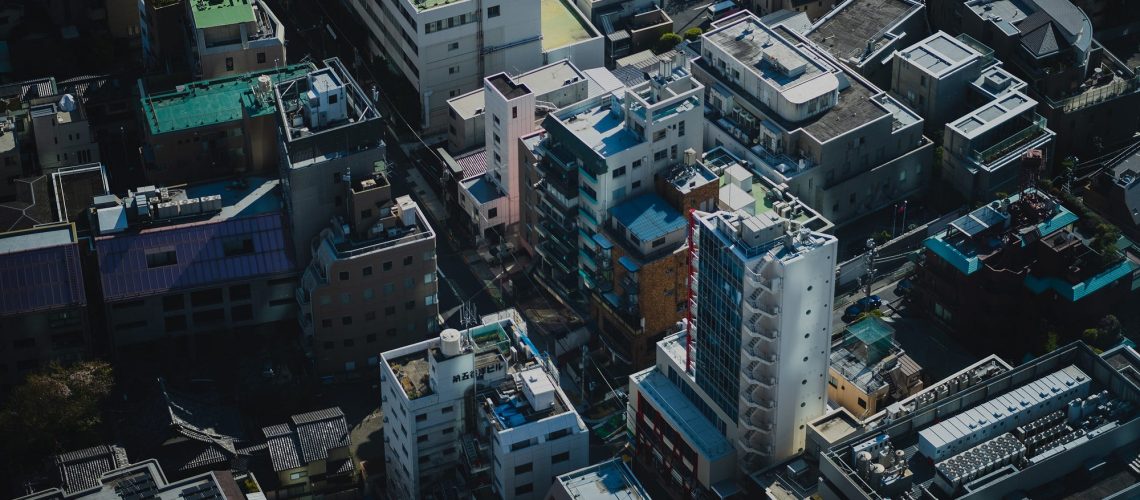
Urbanization continues to shape the modern world, with millions of people moving into cities every year in search of better opportunities, education, healthcare, and improved living standards.
Across Africa and other regions of the world, cities are expanding rapidly as populations grow and economies develop. While urban living offers many advantages, it also presents significant challenges that affect residents’ quality of life. Understanding these challenges and implementing practical solutions is essential for creating sustainable, livable, and resilient cities.
The Rise of Urban Living
Cities have become centers of economic activity, innovation, and cultural exchange. Urban areas attract businesses, industries, and skilled workers, creating opportunities that are often unavailable in rural communities. In Africa, cities such as Lagos, Nairobi, Johannesburg, Accra, and Kigali continue to experience rapid population growth as people seek employment and improved services.
However, the pace of urban growth often exceeds the capacity of infrastructure and public services, leading to numerous social, economic, and environmental challenges.
Major Urban Living Challenges
1. Housing Shortages and High Rent Costs
One of the most common challenges in urban areas is the shortage of affordable housing. As city populations increase, demand for housing rises faster than supply. This often results in:
- Rising rental costs
- Overcrowded living conditions
- Informal settlements and slums
- Increased homelessness
Many low- and middle-income families struggle to find decent accommodation within city centers, forcing them to live farther from workplaces and essential services.
2. Traffic Congestion
Urban traffic congestion affects productivity, health, and overall quality of life. Long commuting times waste valuable hours that could otherwise be spent working, studying, or with family.
Common causes include:
- Inadequate public transportation
- Poor road infrastructure
- Rapid growth in vehicle ownership
- Limited urban planning
Traffic jams also contribute to fuel waste and increased air pollution.
3. Environmental Pollution
Cities generate large amounts of waste, emissions, and noise. Environmental challenges include:
- Air pollution from vehicles and industries
- Poor waste management
- Water contamination
- Noise pollution
- Reduced green spaces
These issues can negatively impact public health and contribute to climate-related problems.
4. Rising Cost of Living
Urban residents often face higher expenses than those living in rural areas. Costs associated with housing, transportation, utilities, food, and healthcare can place significant financial pressure on households.
Inflation and economic instability may further worsen affordability challenges, particularly for low-income families.
5. Unemployment and Underemployment
Although cities attract job seekers, employment opportunities do not always keep pace with population growth. Many urban residents face:
- Limited formal employment opportunities
- Informal and unstable work arrangements
- Youth unemployment
- Skills mismatches
This can contribute to poverty and social inequality.
6. Security and Crime Concerns
High population density and economic disparities can create conditions that increase crime rates in some urban areas. Residents may face challenges such as:
- Theft and robbery
- Fraud and cybercrime
- Vandalism
- Community safety concerns
Security challenges can affect businesses, tourism, and overall community well-being.
7. Pressure on Public Services
Rapid urban growth often strains essential services, including:
- Healthcare facilities
- Schools
- Water supply systems
- Electricity networks
- Public transportation
When infrastructure development lags behind population growth, service quality may decline.
Practical Solutions for Better Urban Living
1. Investing in Affordable Housing
Governments and private developers can work together to increase access to affordable housing through:
- Low-cost housing projects
- Mortgage support programs
- Public-private partnerships
- Improved land-use planning
Well-planned housing developments can reduce overcrowding and improve living conditions.
2. Expanding Public Transportation
Efficient transportation systems can significantly reduce congestion and pollution. Solutions include:
- Bus rapid transit systems
- Urban rail networks
- Bicycle lanes
- Shared mobility services
- Smart traffic management systems
Reliable public transportation also improves accessibility and economic productivity.
3. Promoting Sustainable Urban Development
Cities can become more environmentally friendly through:
- Waste recycling programs
- Renewable energy adoption
- Urban tree planting initiatives
- Green building standards
- Improved drainage systems
Sustainable development helps protect natural resources while improving public health.
4. Supporting Economic Opportunities
Creating jobs remains essential for urban stability and growth. Policymakers can encourage employment through:
- Entrepreneurship support programs
- Skills training initiatives
- Small business financing
- Digital economy development
- Industrial expansion
A thriving local economy benefits both residents and businesses.
5. Strengthening Community Safety
Safer cities require collaboration among residents, law enforcement agencies, and local governments. Effective approaches include:
- Community policing programs
- Improved street lighting
- Security technology deployment
- Youth engagement initiatives
- Crime prevention education
Strong community participation often leads to safer neighborhoods.
6. Leveraging Smart City Technologies
Technology can help cities operate more efficiently. Smart city solutions include:
- Intelligent traffic systems
- Digital government services
- Smart energy management
- Real-time public transportation information
- Data-driven urban planning
These innovations can improve service delivery while reducing operational costs.
7. Encouraging Citizen Participation
Residents play an important role in shaping urban environments. Governments can strengthen civic engagement through:
- Community forums
- Digital feedback platforms
- Participatory budgeting
- Neighborhood improvement programs
When citizens contribute to decision-making, urban solutions become more responsive to local needs.
Urban Living in Africa: Opportunities for the Future
Africa’s urban population is expected to continue growing rapidly in the coming decades. While this growth presents challenges, it also offers significant opportunities. Investments in infrastructure, technology, housing, education, and sustainable development can transform African cities into engines of economic growth and innovation.
Many African cities are already embracing modern transportation systems, digital services, renewable energy projects, and smart urban planning initiatives. These efforts demonstrate that urban challenges can be addressed through strategic planning and collaboration.
Conclusion
Urban living offers access to opportunities, services, and economic advancement, but it also brings challenges related to housing, transportation, pollution, employment, and public services. Addressing these issues requires coordinated efforts from governments, businesses, communities, and individual citizens. By investing in sustainable infrastructure, affordable housing, efficient transportation, and smart technologies, cities can become more inclusive, productive, and resilient. As urban populations continue to grow, innovative solutions will be essential for creating cities that support both current and future generations.
