

In today’s fast-paced world, convenience and speed have become essential aspects of everyday life.
Across Africa and the rest of the world, mobile payment solutions are transforming the way people send, receive, and manage money. From paying utility bills to purchasing groceries and conducting business transactions, mobile payments have significantly reduced the time and effort traditionally required for financial activities.
Understanding Mobile Payment Solutions
Mobile payment solutions are digital financial services that allow users to make transactions using mobile phones, tablets, or other smart devices. These services eliminate the need for carrying large amounts of cash or visiting physical bank branches for routine transactions.
Mobile payments can take several forms, including:
- Mobile money services
- Banking applications
- QR code payments
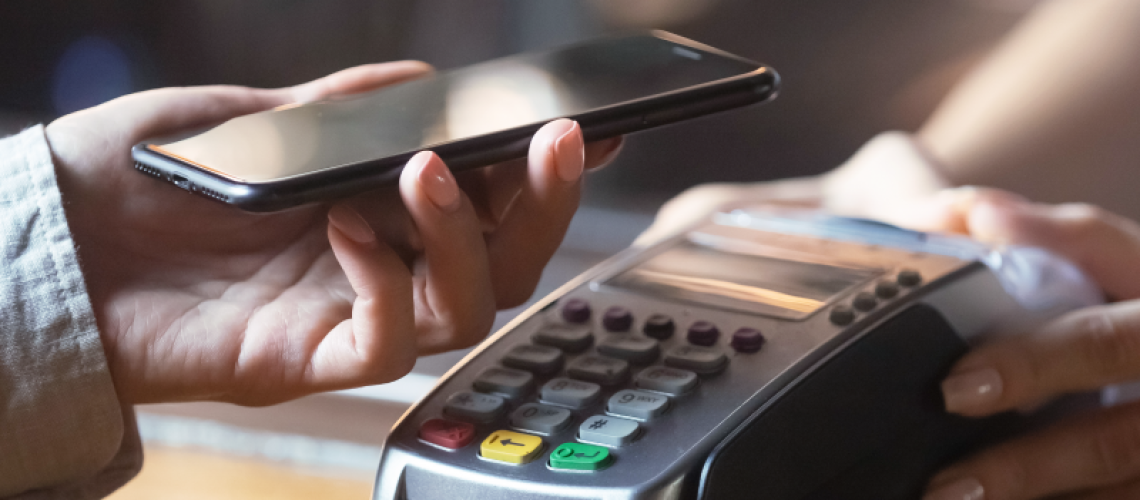
- Contactless payments
- Peer-to-peer (P2P) transfers
- Digital wallets
These technologies have become especially important in regions where access to traditional banking services may be limited.
Why Mobile Payments Save Time
1. Instant Money Transfers
One of the greatest advantages of mobile payment systems is the ability to transfer funds instantly. Instead of traveling to a bank or waiting for lengthy processing times, users can send money within seconds.
This feature is particularly useful for:
- Family support transfers
- Business payments
- Emergency financial assistance
- Salary disbursements
2. Convenient Bill Payments
Many mobile payment platforms allow users to pay utility bills directly from their phones. Electricity, water, internet subscriptions, and television services can often be settled without visiting payment centers.
Benefits include:
- Reduced travel time
- Faster processing
- Automatic payment records
- 24-hour accessibility
3. Faster Shopping Experiences
Retailers increasingly accept mobile payments through QR codes, mobile wallets, and banking apps. Customers can complete purchases in seconds without counting cash or waiting for card processing delays.
This improves:
- Checkout speed
- Customer satisfaction
- Transaction accuracy
- Business efficiency
4. Reduced Banking Queues
Traditional banking often requires customers to stand in long queues for services such as transfers, deposits, and bill payments. Mobile payment solutions shift many of these services online, allowing users to conduct transactions from home, work, or while traveling.
5. Easy Business Transactions
Small businesses and entrepreneurs benefit greatly from mobile payment systems. Vendors can receive payments instantly, maintain digital transaction records, and reduce cash-handling risks.
For businesses, this means:
- Improved cash flow
- Faster customer service
- Better record keeping
- Enhanced operational efficiency
Popular Mobile Payment Methods
Mobile Money Platforms
Mobile money services have become a major financial tool across Africa. Users can store funds electronically, transfer money, and pay for goods and services directly from their phones.
Key advantages include:
- Accessibility in rural areas
- Simple registration processes
- Broad agent networks
- Support for basic mobile phones
Digital Wallets
Digital wallets allow users to store payment information securely and make transactions online or in physical stores.
Features often include:
- Multiple payment options
- Secure authentication
- Transaction history
- Integration with online shopping platforms
Banking Applications
Most modern banks now provide mobile apps that enable customers to perform a wide range of transactions.
Common features include:
- Account monitoring
- Funds transfers
- Loan applications
- Investment management
- Card management
QR Code Payments
QR code technology allows customers to scan a code using a smartphone and complete a payment instantly.
Benefits include:
- Contactless transactions
- Reduced hardware requirements
- Faster checkout experiences
- Improved convenience
Benefits for African Economies
The growth of mobile payment solutions contributes to broader economic development by:
Promoting Financial Inclusion
Millions of Africans who previously lacked access to traditional banking services can now participate in the financial system through mobile devices.
Supporting Small Businesses
Mobile payments enable small enterprises to accept digital payments, expand customer reach, and improve business management.
Encouraging Digital Commerce
As mobile payment adoption grows, online shopping and digital services become more accessible, creating new economic opportunities.
Improving Transparency
Digital transaction records help improve financial accountability and reduce the risks associated with cash-based systems.
Security Considerations
While mobile payment solutions offer significant convenience, users should prioritize security by:
- Using strong passwords
- Enabling two-factor authentication
- Avoiding public Wi-Fi for financial transactions
- Monitoring account activity regularly
- Updating applications frequently
- Keeping personal information private
These practices help protect users from fraud and unauthorized access.
The Future of Mobile Payments
The future of mobile payments is expected to include greater integration with emerging technologies such as artificial intelligence, biometric authentication, and blockchain systems. These innovations will likely make transactions even faster, safer, and more accessible.
As smartphone adoption continues to rise across Africa, mobile payment solutions are expected to become an even more important part of daily life. Governments, financial institutions, and technology companies are investing heavily in digital payment infrastructure to support this growth.
Conclusion
Time-saving mobile payment solutions have revolutionized financial transactions by making payments faster, more convenient, and more accessible. Whether used for sending money, paying bills, shopping, or running a business, these technologies reduce the time spent on routine financial activities while increasing efficiency and security. As digital finance continues to evolve, mobile payments will remain a powerful tool for individuals, businesses, and economies seeking greater convenience and financial inclusion.
