

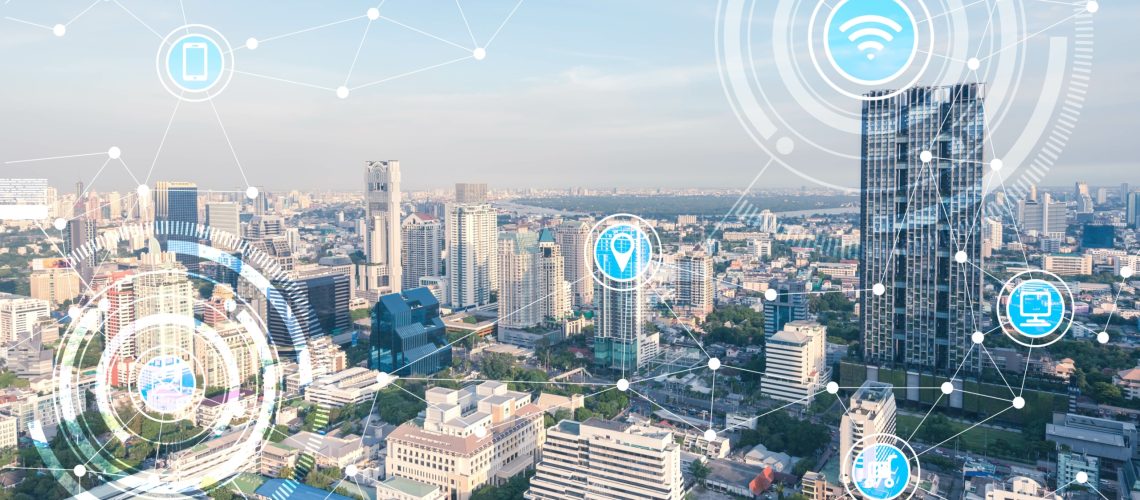
As cities across Africa continue to grow, governments and private organizations are turning to smart city technology to improve the quality of public services.
Rapid urbanization has created challenges such as traffic congestion, waste management, inadequate healthcare access, unreliable public transportation, and security concerns. Smart city solutions offer innovative ways to address these issues by using digital technologies, data, and connected infrastructure to make cities more efficient, sustainable, and livable.
While the concept of smart cities has often been associated with developed nations, African cities are increasingly adopting technology-driven solutions that fit their unique needs. Countries like Rwanda, Kenya, Nigeria, South Africa, Egypt, and Morocco are implementing digital initiatives that improve governance and enhance citizens’ daily lives.
What Is a Smart City?
A smart city uses technology, communication networks, and real-time data to improve public services, manage resources efficiently, and enhance residents’ quality of life. Rather than relying solely on traditional infrastructure, smart cities integrate digital systems that help governments make informed decisions and respond more quickly to community needs.
Smart city technology typically combines:
- Internet of Things (IoT) devices
- Artificial Intelligence (AI)
- Cloud computing
- Geographic Information Systems (GIS)
- Big data analytics
- Digital payment systems
- Mobile applications
- Smart sensors
- High-speed internet connectivity
These technologies work together to create a more connected urban environment.
Why Smart Cities Matter in Africa
Africa is experiencing one of the world’s fastest rates of urban population growth. Millions of people move into cities every year in search of employment, education, and better living conditions. Unfortunately, infrastructure development often struggles to keep pace.
Smart technologies help cities:
- Improve service delivery
- Reduce operational costs
- Increase transparency
- Support economic development
- Reduce environmental impact
- Improve public safety
- Enhance citizen participation
Instead of replacing existing infrastructure, smart technologies often improve how current systems operate.
Smarter Transportation Systems
Traffic congestion costs African cities billions of dollars annually through lost productivity and increased fuel consumption. Smart transportation systems help reduce these challenges.
Examples include:
Intelligent Traffic Lights
Traffic signals equipped with sensors can adjust signal timing based on actual traffic flow rather than fixed schedules.
Benefits include:
- Reduced congestion
- Shorter travel times
- Lower fuel consumption
- Reduced air pollution
Digital Public Transport
Mobile applications now allow commuters to:
- View bus locations
- Plan journeys
- Pay electronically
- Receive service updates
Digital transport systems increase convenience while helping operators optimize routes.
Smart Parking
Sensors can detect available parking spaces and direct drivers to open spots, reducing unnecessary driving.
Better Waste Management
Waste collection remains a major challenge in many African cities.
Smart waste management includes:
- Sensor-equipped garbage bins
- Route optimization for collection trucks
- Digital monitoring of landfill capacity
- Recycling tracking systems
These innovations lower costs while improving cleanliness.
Improving Water Management
Water shortages and pipe leakages affect millions of urban residents.
Smart water systems monitor:
- Water pressure
- Pipe leaks
- Consumption patterns
- Reservoir levels
Utilities can detect problems early before they become major disruptions.
Consumers also benefit from smart water meters that encourage responsible usage.
Enhancing Healthcare Services
Technology is transforming healthcare delivery.
Examples include:
Telemedicine
Patients can consult healthcare professionals remotely using smartphones or computers.
Benefits include:
- Reduced travel
- Faster consultations
- Better access in underserved communities
Electronic Medical Records
Digital records improve:
- Patient history management
- Faster diagnosis
- Reduced paperwork
- Better coordination among hospitals
Disease Monitoring
Public health authorities can analyze health data to identify outbreaks early and respond more effectively.
Smart Education Services
Technology supports education through:
- Digital classrooms
- Online learning platforms
- Smart attendance systems
- Digital libraries
- Internet-enabled schools
Students gain broader access to learning resources regardless of location.
Digital Government Services
Many African governments are digitizing public services.
Citizens increasingly access services online, including:
- Tax payments
- Business registration
- Driver’s license renewal
- Passport applications
- Utility bill payments
- Birth certificate requests
Digital government reduces waiting times while improving transparency.
Public Safety and Security
Smart city technology contributes to safer communities through:
Smart Surveillance
Cameras connected to monitoring centers help authorities respond more quickly to emergencies.
Emergency Response Systems
Integrated communication systems enable:
- Faster ambulance dispatch
- Improved fire response
- Better disaster coordination
Crime Data Analysis
Law enforcement agencies can analyze crime patterns to deploy resources more effectively.
Environmental Monitoring
Smart sensors measure:
- Air quality
- Water quality
- Noise pollution
- Weather conditions
- Flood risks
Real-time environmental data helps governments protect public health and prepare for natural disasters.
Energy Efficiency
Smart energy systems improve electricity distribution by monitoring demand and reducing waste.
Applications include:
- Smart electricity meters
- Automated street lighting
- Solar-powered infrastructure
- Intelligent power grids
Energy-efficient technologies also reduce greenhouse gas emissions.
Citizen Engagement
Modern cities increasingly encourage residents to participate in governance through digital platforms.
Mobile applications allow citizens to:
- Report damaged roads
- Report broken streetlights
- Submit complaints
- Suggest improvements
- Track service requests
This creates stronger collaboration between governments and communities.
Challenges Facing Smart City Development
Despite significant progress, several obstacles remain.
Limited Infrastructure
Reliable electricity and internet connectivity remain inconsistent in some regions.
Funding Constraints
Building smart infrastructure requires substantial investment.
Cybersecurity Risks
As more services become digital, protecting data becomes increasingly important.
Digital Divide
Not every resident owns a smartphone or has reliable internet access.
Inclusive planning ensures smart city benefits reach everyone.
Data Privacy
Governments must balance innovation with protecting citizens’ personal information.
Strong privacy regulations build public trust.
Successful Smart City Initiatives in Africa
Several African cities are embracing technology to improve urban living.
Examples include:
- Kigali’s digital governance initiatives in Rwanda
- Nairobi’s smart mobility projects in Kenya
- Lagos’ intelligent traffic management systems in Nigeria
- Cape Town’s smart utility management in South Africa
- Egypt’s development of its New Administrative Capital with integrated digital infrastructure
These projects demonstrate that smart city innovation can be adapted to local needs rather than simply copying models from other regions.
The Future of Smart Public Services
Emerging technologies will continue transforming African cities.
Future developments may include:
- AI-powered city management
- Autonomous public transportation
- Drone-assisted emergency response
- Advanced flood prediction systems
- Smart agriculture supporting urban food production
- Expanded digital identity services
- More integrated healthcare platforms
As connectivity improves, cities will increasingly rely on real-time information to make faster and more informed decisions.
How Citizens Can Benefit
Residents also play a role in the success of smart cities by:
- Using official digital government services
- Reporting infrastructure problems through approved channels
- Protecting personal digital security
- Supporting environmentally friendly practices
- Learning digital skills
- Participating in community technology initiatives
When governments, businesses, and citizens work together, smart technologies become more effective and inclusive.
Conclusion
Smart city technology is reshaping public services across Africa by making transportation, healthcare, education, governance, waste management, water supply, energy, and public safety more efficient and responsive. While challenges such as funding, infrastructure, and digital inclusion remain, ongoing innovation is creating opportunities for cities to serve growing populations more effectively.
The future of African cities will not depend solely on building more roads or expanding physical infrastructure. It will also depend on using technology wisely to create connected, resilient, and citizen-centered communities. By investing in digital transformation while ensuring accessibility and transparency, African cities can improve public services and build a higher quality of life for current and future generations.
