

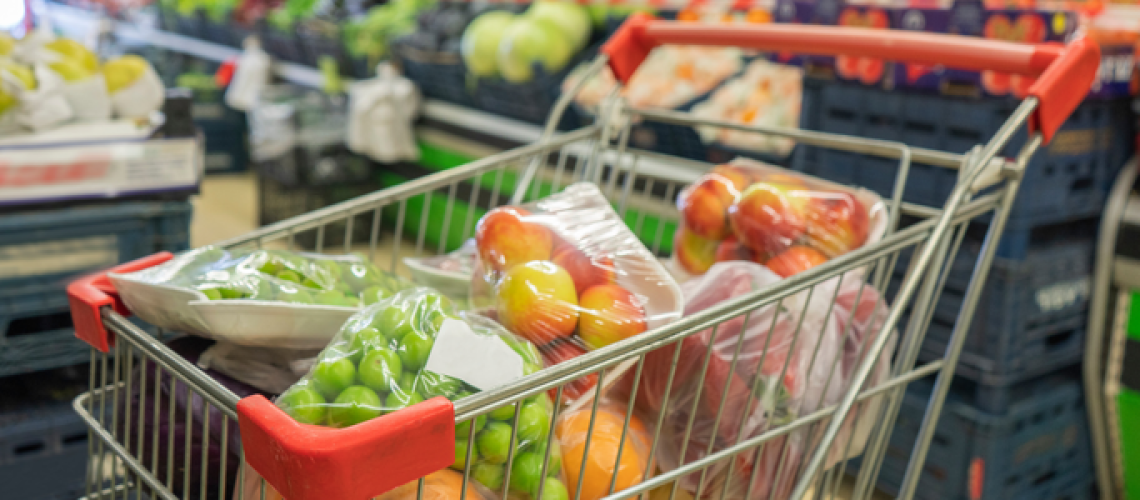
In many African communities, rising inflation and fluctuating food prices have made it increasingly difficult for households to manage their monthly expenses.
While individuals often struggle to buy essential goods at affordable prices, small communities have a unique advantage: collective purchasing power. Bulk buying allows groups of people to combine their resources, purchase larger quantities directly from suppliers, and enjoy significant savings.
Whether it’s a neighborhood association, church group, cooperative society, student community, or village organization, bulk buying presents an opportunity to reduce costs while strengthening community relationships. Beyond saving money, it can improve food security, support local farmers, and encourage sustainable consumption.
This article explores how small communities can benefit from bulk buying, the opportunities it creates, the challenges involved, and practical steps for organizing successful group purchases.
What Is Bulk Buying?
Bulk buying refers to purchasing products in large quantities, usually at discounted prices. Instead of each household buying small amounts from retail stores, several households combine their orders and purchase directly from wholesalers, distributors, manufacturers, or farmers.
Common bulk-buying items include:
- Rice
- Beans
- Cooking oil
- Flour
- Sugar
- Salt
- Frozen foods
- Cleaning products
- Toiletries
- School supplies
- Livestock feed
- Farm inputs
The larger the purchase, the lower the unit cost in many cases.
Why Bulk Buying Makes Sense for Small Communities
1. Lower Prices Through Collective Purchasing
One of the biggest advantages is reduced cost per item.
Wholesalers often offer discounts for larger orders because they reduce packaging, handling, and transportation expenses.
For example:
- A 50kg bag of rice costs less per kilogram than buying smaller bags individually.
- A carton of cooking oil bottles is cheaper than purchasing each bottle separately.
When dozens of families buy together, everyone benefits from wholesale pricing.
2. Protection Against Inflation
Many African countries experience frequent price increases.
Buying essential items in bulk allows communities to:
- Lock in current prices
- Reduce the impact of future price hikes
- Maintain stable household budgets
This is especially useful for staple foods that families consume every month.
3. Lower Transportation Costs
Transportation can significantly increase the final cost of goods.
Instead of every household making separate trips to markets or wholesale centers, one coordinated purchase can reduce:
- Fuel expenses
- Delivery charges
- Travel time
Communities can even negotiate free delivery for large orders.
4. Better Access to Quality Products
Buying directly from trusted suppliers often means better product quality.
Communities can:
- Purchase fresher food
- Avoid counterfeit products
- Verify product sources
- Establish long-term supplier relationships
This increases consumer confidence while improving value for money.
Opportunities Created by Bulk Buying
Supporting Local Farmers
Small communities can purchase directly from local farmers instead of relying solely on middlemen.
Benefits include:
- Fairer prices for farmers
- Fresher produce
- Stronger local economies
- Reduced food waste
Farmers also gain more predictable income through regular community orders.
Building Community Cooperatives
Bulk buying naturally encourages cooperative development.
Community cooperatives can organize:
- Monthly food purchases
- Agricultural supplies
- Household essentials
- Emergency food reserves
Over time, these cooperatives may expand into savings programs, microfinance, or local retail ventures.
Creating Small Business Opportunities
Bulk purchases can also generate income.
For example:
- One member manages orders.
- Another handles transportation.
- Others oversee storage and distribution.
Some communities charge a small administrative fee that helps sustain the program while creating employment opportunities.
Emergency Preparedness
Communities that regularly purchase in bulk are often better prepared during crises.
Examples include:
- Fuel shortages
- Floods
- Economic disruptions
- Supply chain delays
Having essential goods already available reduces panic buying and shortages.
Products Ideal for Community Bulk Buying
Successful community purchases usually focus on products with:
- Long shelf life
- High household demand
- Easy storage
- Stable quality
Examples include:
Food Items
- Rice
- Beans
- Garri
- Maize
- Flour
- Pasta
- Vegetable oil
- Sugar
- Salt
Household Products
- Soap
- Detergent
- Toilet paper
- Toothpaste
- Disinfectants
School Supplies
- Exercise books
- Pens
- Pencils
- Printing paper
Agricultural Inputs
- Fertilizers
- Seeds
- Animal feed
- Farming tools
How Communities Can Organize Bulk Buying
Step 1: Identify Members
Start with a trusted group such as:
- Neighbors
- Church members
- Parent associations
- Cooperatives
- Youth groups
Trust is essential because members will contribute money before purchases are made.
Step 2: Determine Demand
Collect information about:
- What products members need
- Quantities required
- Preferred brands
- Budget limits
This prevents overbuying or shortages.
Step 3: Find Reliable Suppliers
Compare suppliers based on:
- Price
- Product quality
- Delivery options
- Payment terms
- Customer reviews
Building long-term supplier relationships often leads to better discounts.
Step 4: Collect Payments
Agree on payment rules.
Most successful groups require payment before placing orders to avoid financial disputes.
Digital payment platforms make record-keeping easier.
Step 5: Arrange Storage
Some products require dry, cool, and secure storage.
Communities should identify:
- Community halls
- Cooperative buildings
- Local warehouses
- Volunteer storage spaces
Proper storage reduces waste.
Step 6: Distribute Orders
Create an organized collection schedule.
Clearly label each member’s purchase to minimize confusion.
Good communication helps ensure smooth distribution.
Challenges to Consider
Although bulk buying offers many advantages, communities should prepare for potential challenges.
Trust Issues
Transparent financial management is essential.
Maintain:
- Receipts
- Payment records
- Supplier invoices
Regular financial updates build confidence.
Storage Problems
Large quantities require adequate storage.
Poor storage can lead to:
- Pest infestations
- Moisture damage
- Food spoilage
Communities should plan storage before purchasing.
Cash Flow Constraints
Some families may struggle to pay upfront.
Possible solutions include:
- Flexible payment schedules
- Community savings schemes
- Rotational purchasing groups
Product Distribution
Without proper planning, distribution can become chaotic.
Using pickup schedules and accurate records helps maintain order.
Technology Can Make Bulk Buying Easier
Digital tools simplify community purchasing.
Examples include:
- Messaging apps for announcements
- Online spreadsheets for orders
- Mobile payment platforms
- Inventory management software
Technology improves transparency while reducing administrative work.
Success Tips for Community Bulk Buying
Communities that succeed often follow these best practices:
- Start with a small number of products.
- Choose trusted leaders.
- Keep detailed financial records.
- Buy only from reputable suppliers.
- Communicate openly with members.
- Review each purchase cycle and improve processes.
- Build long-term partnerships with wholesalers and farmers.
The Future of Community Bulk Buying
As living costs continue to rise across many African countries, community-based purchasing is becoming more attractive. Organized buying groups can improve affordability, strengthen local economies, and reduce dependence on expensive retail channels.
Advances in digital payments, logistics services, and online marketplaces also make it easier for communities to coordinate purchases and access competitive prices. With proper planning and transparent management, bulk buying can evolve from a simple cost-saving strategy into a sustainable model for economic resilience.
Conclusion
Bulk buying is more than purchasing goods in large quantities, it is a practical example of communities working together to improve their quality of life. By combining resources, households can lower expenses, gain access to better-quality products, support local producers, and build stronger social ties.
While challenges such as storage, trust, and organization require careful management, the long-term benefits often outweigh the difficulties. For many small communities, collective purchasing offers a smart and sustainable way to stretch household budgets while fostering cooperation and resilience in an increasingly uncertain economic environment.
