

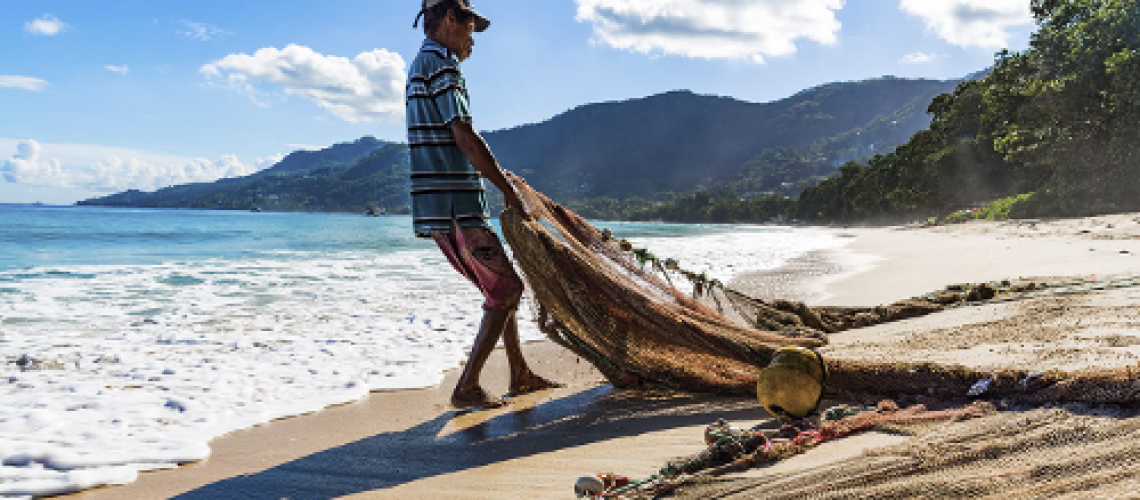
Africa’s coastlines stretch for more than 30,000 kilometers (18,600 miles), touching the Atlantic Ocean, Indian Ocean, Mediterranean Sea, and the Red Sea.
These diverse shores are home to pristine beaches, historic trading ports, vibrant fishing communities, coral reefs, marine wildlife, and some of the world’s most breathtaking island destinations.
While many travelers associate Africa with safaris and wildlife reserves, the continent’s coastlines offer equally unforgettable experiences. From luxury beach resorts to cultural heritage tours and adventure sports, coastal Africa presents countless opportunities for local and international travelers alike.
Why Africa’s Coastlines Are Worth Exploring
Africa’s coastal regions combine natural beauty with rich cultural history. Centuries of trade, migration, and exploration have shaped unique communities where African traditions blend with Arab, European, and Asian influences.
Travelers can enjoy:
- White sandy beaches
- Crystal-clear waters
- Historic forts and ports
- Marine wildlife
- Water sports
- Island adventures
- Fresh seafood cuisine
- Cultural festivals
Whether you’re seeking relaxation, adventure, or education, Africa’s coastline has something to offer.
West Africa’s Atlantic Coast
West Africa boasts a vibrant coastline filled with bustling cities, quiet fishing villages, and beautiful beaches.
Ghana
Ghana’s coastline is famous for its historic forts and castles that tell the story of the transatlantic slave trade. Visitors can combine history with beach relaxation in destinations like Cape Coast and Busua.
Activities include:
- Historical tours
- Surfing
- Beach resorts
- Seafood dining
- Cultural festivals
Senegal
Senegal offers stunning beaches near Dakar, colorful fishing communities, and nearby islands that showcase colonial architecture and local heritage.
Popular experiences include:
- Island excursions
- Bird watching
- Local markets
- Music festivals
Nigeria
Nigeria’s coastline offers more than just Lagos beaches. Travelers can explore:
- Tarkwa Bay
- Ilashe Beach
- Lekki Conservation Centre (near coastal areas)
- Coastal fishing communities
- Boat cruises
- Waterfront entertainment
The Niger Delta also presents opportunities for eco-tourism, mangrove exploration, and cultural experiences when visited responsibly with local guides.
East Africa’s Indian Ocean Paradise
The Indian Ocean coastline is among Africa’s most famous travel destinations.
Kenya
Kenya combines wildlife safaris with tropical beaches.
Top coastal destinations include:
- Diani Beach
- Watamu
- Malindi
- Lamu Island
Visitors enjoy snorkeling, diving, dhow sailing, and Swahili culture.
Tanzania
Tanzania’s coastline includes the world-famous Zanzibar Archipelago, where travelers discover:
- Stone Town
- Spice farms
- Coral reefs
- Luxury resorts
- Dolphin tours
- Traditional Swahili cuisine
Mozambique
Mozambique remains one of Africa’s hidden coastal treasures.
Its attractions include:
- Remote islands
- Diving sites
- Whale watching
- Marine reserves
- Portuguese-inspired cuisine
Southern Africa’s Scenic Shores
Southern Africa offers dramatic coastlines where mountains meet the sea.
South Africa
South Africa’s coastline stretches over 2,500 kilometers and includes:
- Cape Town beaches
- Garden Route
- Whale watching in Hermanus
- Surfing destinations
- Penguin colonies
- Coastal wine regions
Adventure lovers can also enjoy kayaking, shark cage diving, hiking, and scenic coastal drives.
Namibia
Namibia’s Skeleton Coast provides a completely different experience.
Known for:
- Desert meeting the ocean
- Shipwrecks
- Seal colonies
- Sand dunes
- Photography tours
The region appeals to adventurous travelers looking for unique landscapes.
North Africa’s Mediterranean Charm
Northern Africa combines Mediterranean beauty with ancient civilizations.
Morocco
Morocco offers:
- Atlantic surfing beaches
- Mediterranean resorts
- Historic port cities
- Fresh seafood markets
- Coastal medinas
Essaouira, Agadir, and Tangier remain among the country’s most popular coastal destinations.
Egypt
Egypt’s Red Sea coastline is internationally recognized for:
- Coral reefs
- Scuba diving
- Luxury resorts
- Snorkeling
- Desert excursions
The underwater biodiversity attracts divers from around the globe.
Africa’s Island Destinations
Several islands surrounding Africa rank among the world’s most desirable travel destinations.
Seychelles
Known for:
- Granite rock formations
- Luxury resorts
- Giant tortoises
- Nature reserves
- Crystal-clear waters
Mauritius
Mauritius combines multicultural heritage with luxury tourism through:
- White sand beaches
- Hiking trails
- Water sports
- Botanical gardens
- Fine dining
Madagascar
Madagascar offers experiences unlike anywhere else.
Visitors discover:
- Unique wildlife
- Baobab trees
- Marine parks
- Whale watching
- Indigenous cultures
Coastal Adventure Activities
African coastlines provide opportunities for travelers seeking excitement.
Popular activities include:
- Scuba diving
- Snorkeling
- Deep-sea fishing
- Sailing
- Surfing
- Jet skiing
- Kite surfing
- Whale watching
- Dolphin tours
- Kayaking
- Paddleboarding
Many destinations also offer eco-friendly marine tours that promote ocean conservation.
Cultural Experiences Along the Coast
Africa’s coastal communities preserve centuries-old traditions.
Travelers can experience:
- Traditional fishing techniques
- Swahili architecture
- Seafood festivals
- Local music
- Handcrafted souvenirs
- Boat-building traditions
- Coastal cuisine
- Cultural performances
These authentic encounters help visitors appreciate the rich heritage of coastal societies.
Economic Opportunities Through Coastal Tourism
Growing tourism along African coastlines creates employment for:
- Tour guides
- Hotel operators
- Fishermen
- Boat captains
- Restaurant owners
- Local artisans
- Transport providers
- Photographers
Responsible tourism also encourages investment in infrastructure while supporting local communities.
Sustainable Coastal Travel
Protecting Africa’s coastlines is essential for future generations.
Travelers can contribute by:
- Avoiding single-use plastics
- Respecting marine life
- Supporting local businesses
- Choosing eco-certified accommodations
- Following conservation guidelines
- Avoiding damage to coral reefs
- Participating in beach cleanups
Responsible travel helps preserve these ecosystems while benefiting local economies.
Tips for Planning a Coastal African Trip
To make the most of your journey:
- Research seasonal weather.
- Book accommodations early during peak seasons.
- Carry reef-safe sunscreen.
- Respect local customs and dress codes.
- Travel with licensed guides for marine activities.
- Keep travel insurance updated.
- Stay informed about local safety guidelines.
- Support community-owned businesses whenever possible.
Conclusion
Africa’s coastlines are among the continent’s greatest yet sometimes overlooked treasures. They offer far more than beautiful beaches, they are gateways to history, culture, biodiversity, adventure, and economic opportunity. Whether you’re exploring ancient ports in West Africa, diving among coral reefs in the Indian Ocean, driving along South Africa’s dramatic shores, or relaxing on idyllic islands, every stretch of Africa’s coastline tells a unique story.
As tourism continues to grow across the continent, sustainable travel practices will play an important role in protecting these coastal environments while ensuring that local communities benefit from their natural and cultural wealth. For travelers seeking unforgettable experiences, Africa’s shores promise beauty, discovery, and adventure in equal measure.
