

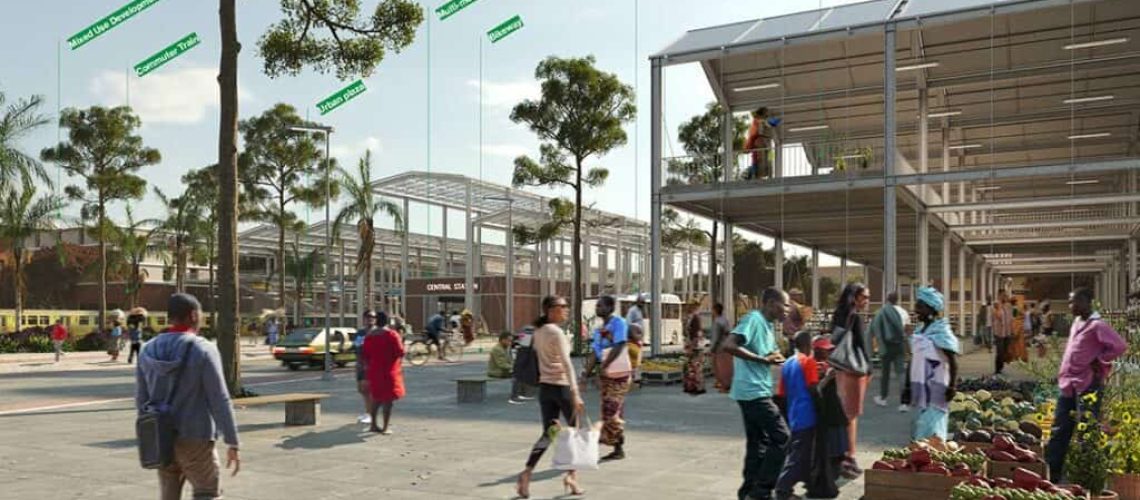
When people think about urban development in Africa, major cities such as Lagos, Nairobi, Cairo, Johannesburg, and Accra often come to mind.
However, some of the continent’s most exciting transformations are taking place in secondary cities. These rapidly growing urban centers are becoming important drivers of economic development, innovation, employment, and improved quality of life.
Secondary cities, typically smaller than capital cities but larger than rural towns, are attracting new investments, expanding infrastructure, and creating opportunities for businesses and residents alike. As populations continue to grow and governments seek to reduce pressure on overcrowded metropolitan areas, these cities are emerging as vital components of Africa’s urban future.
This article explores the major urban development trends shaping secondary cities across Africa, the opportunities they present, and the challenges that still need attention.
What Are Secondary Cities?
Secondary cities are urban centers that play significant regional roles without being the country’s largest metropolitan area. They often serve as commercial, industrial, educational, agricultural, or transportation hubs for surrounding regions.
Examples include:
- Ibadan, Uyo, Ilorin, Enugu, and Abeokuta in Nigeria
- Kumasi and Tamale in Ghana
- Kisumu and Eldoret in Kenya
- Gqeberha and Polokwane in South Africa
- Mbarara in Uganda
- Mekelle in Ethiopia
These cities are experiencing steady population growth while offering relatively lower living costs and greater opportunities for expansion than major capitals.
Why Secondary Cities Matter
Urban planners increasingly recognize that balanced national development depends on strengthening secondary cities. Rather than concentrating investment in one or two major metropolitan areas, governments are distributing economic activities more evenly across regions.
Benefits include:
- Reduced congestion in capital cities
- More affordable housing
- Better regional economic development
- Job creation closer to rural communities
- Improved access to healthcare and education
- Stronger local industries
These advantages contribute to more sustainable national growth.
Population Growth Is Accelerating
Many secondary cities are growing faster than national capitals due to migration from rural areas and natural population increases.
People move to these cities because they offer:
- Better employment opportunities
- Affordable housing
- Lower business costs
- Improved education
- Healthcare facilities
- Better transportation
This steady influx is transforming formerly quiet towns into dynamic urban centers.
Infrastructure Expansion
One of the most visible trends is significant investment in infrastructure.
Projects commonly include:
Better Roads
Governments are upgrading highways, constructing bypasses, and expanding urban road networks to improve connectivity.
Improved Public Transport
Many cities are introducing organized bus systems, taxi regulations, and transport terminals to reduce congestion.
Water and Sanitation
Reliable water supply systems, sewage treatment, and waste management projects are improving public health.
Electricity Expansion
Improved power infrastructure supports industries, businesses, schools, and healthcare facilities.
Digital Infrastructure
Broadband internet, fiber-optic networks, and mobile connectivity are becoming essential parts of urban development.
Growth of Affordable Housing
Housing demand is increasing as populations expand.
Governments and private developers are responding by building:
- Affordable residential estates
- Mixed-income communities
- Apartment complexes
- Planned suburbs
Urban planning increasingly focuses on organized neighborhoods rather than informal settlements.
Rise of Smart City Technologies
Technology is becoming an important part of urban planning.
Secondary cities are adopting:
- Smart traffic management
- Digital property registration
- Electronic payment systems
- GIS-based urban planning
- CCTV security systems
- Online government services
These technologies improve efficiency while making cities easier to manage.
Industrial Parks and Economic Zones
Many governments are locating industrial parks outside major capitals.
Benefits include:
- Job creation
- Manufacturing growth
- Increased exports
- Local business development
- Reduced migration to overcrowded cities
Industrial clusters also encourage investment in supporting industries.
Expansion of Educational Institutions
Universities, polytechnics, and technical colleges are helping transform secondary cities into knowledge centers.
Educational expansion attracts:
- Students
- Researchers
- Technology startups
- Service businesses
- Housing developments
Universities often stimulate local economies through innovation and entrepreneurship.
Healthcare Improvements
Modern hospitals and specialized medical facilities are increasingly being established in secondary cities.
Healthcare investments include:
- Teaching hospitals
- Specialist clinics
- Diagnostic centers
- Maternal healthcare facilities
- Emergency services
Improved healthcare reduces the need for residents to travel to major cities for treatment.
Growth of Local Entrepreneurship
Secondary cities provide fertile ground for entrepreneurs due to lower operating costs.
Growing sectors include:
- Food processing
- Agribusiness
- Retail
- Logistics
- Tourism
- Construction
- Information technology
- Manufacturing
Local businesses benefit from expanding consumer markets.
Improved Transportation Networks
Transport investments are making secondary cities more accessible.
Major developments include:
- Dual carriageways
- Railway expansion
- Inland dry ports
- Modern bus terminals
- Airport upgrades
- Regional logistics hubs
Improved connectivity encourages investment and trade.
Real Estate Development
Demand for residential and commercial property is increasing rapidly.
Developers are constructing:
- Shopping malls
- Office buildings
- Hotels
- Residential estates
- Mixed-use developments
Real estate has become one of the fastest-growing sectors in many secondary cities.
Green Urban Planning
Sustainability is becoming an important aspect of urban development.
Cities are investing in:
- Public parks
- Tree planting
- Green spaces
- Flood control systems
- Renewable energy
- Climate-resilient infrastructure
These measures improve environmental quality and urban resilience.
Tourism Development
Many secondary cities possess rich cultural, historical, and natural attractions.
Governments are investing in:
- Museums
- Cultural centers
- Heritage sites
- Waterfront developments
- Eco-tourism
- Festivals
Tourism generates employment while preserving local traditions.
Digital Economy Expansion
Young entrepreneurs are building technology businesses outside major capitals.
Growing digital sectors include:
- Software development
- E-commerce
- Digital marketing
- Financial technology
- Online education
- Freelancing
Improved internet connectivity makes remote work increasingly viable.
Better Urban Governance
Many local governments are modernizing city administration through:
- Digital tax collection
- Online permit applications
- Geographic information systems
- Open budgeting
- Community participation
- Urban master planning
Improved governance encourages investor confidence.
Challenges Facing Secondary Cities
Despite impressive progress, several obstacles remain.
Rapid Population Growth
Infrastructure sometimes struggles to keep pace with expanding populations.
Informal Settlements
Unplanned housing developments can strain public services and complicate urban management.
Limited Funding
Many local governments have restricted financial resources for major infrastructure projects.
Climate Risks
Flooding, erosion, heatwaves, and water shortages threaten sustainable urban growth.
Employment Creation
Economic growth must generate enough jobs to match population increases.
Opportunities for Investors
Secondary cities offer numerous investment opportunities in:
- Residential housing
- Commercial real estate
- Renewable energy
- Agriculture
- Manufacturing
- Healthcare
- Education
- Hospitality
- Logistics
- Technology services
As infrastructure improves, these cities are becoming increasingly attractive destinations for both domestic and international investors.
The Future of Secondary Cities in Africa
Urbanization is expected to continue across Africa for decades. Rather than allowing capital cities to absorb all future growth, governments are increasingly promoting balanced regional development through investment in secondary cities.
Future trends are likely to include:
- Greater adoption of smart technologies
- More environmentally sustainable infrastructure
- Expanded public transportation systems
- Increased private-sector investment
- Stronger regional trade connections
- Improved digital economies
- Better urban planning and governance
These developments will help secondary cities become engines of innovation, employment, and inclusive economic growth.
Conclusion
Secondary cities are reshaping Africa’s urban landscape. Once viewed primarily as regional administrative centers, they are now becoming vibrant hubs for business, education, healthcare, manufacturing, and technology. Investments in infrastructure, housing, transportation, and digital connectivity are unlocking new opportunities for millions of people while easing pressure on larger metropolitan areas.
Although challenges such as funding, rapid population growth, and climate resilience remain, the overall outlook is highly positive. With thoughtful planning, strong governance, and continued investment, secondary cities will play an increasingly important role in creating more balanced, sustainable, and prosperous urban development across Africa. Their rise demonstrates that the continent’s future growth will be driven not only by its largest cities but also by the dynamic potential of its emerging urban centers.
