

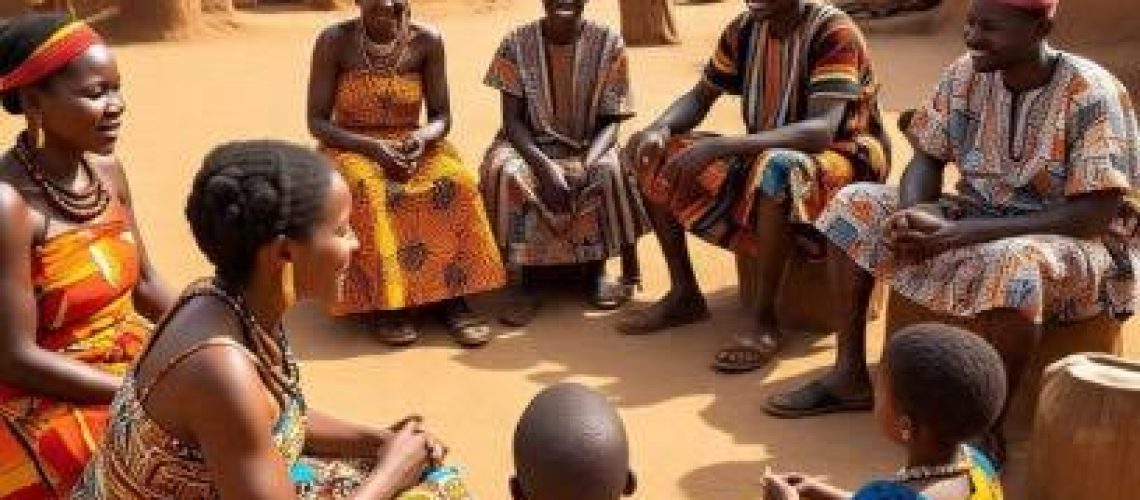
Family has always been one of the strongest pillars of African society.
Across the continent, families are more than just parents and children living under one roof, they often include grandparents, aunts, uncles, cousins, and even close family friends who play active roles in raising children and supporting one another. This family-centered way of life has shaped African cultures for generations, creating communities built on unity, responsibility, and shared values.
Although modernization, urbanization, and changing lifestyles have influenced family structures in many African countries, the importance of family remains deeply rooted. Family-centered living continues to provide emotional support, economic stability, cultural identity, and a sense of belonging that strengthens both individuals and communities.
What Is Family-Centered Living?
Family-centered living refers to a lifestyle where family relationships, collective responsibilities, and mutual support are prioritized over individual interests. Decisions are often made with the well-being of the family in mind, and members work together to overcome challenges and celebrate achievements.
In many African communities, this philosophy is reflected in daily life, from caring for elderly relatives to supporting children through education and assisting extended family members during difficult times.
The Role of the Extended Family
Unlike the nuclear family model common in many parts of the world, African societies often embrace the extended family system.
Extended families may include:
- Grandparents
- Aunts and uncles
- Cousins
- In-laws
- Family friends regarded as relatives
This broader family network creates an environment where responsibilities are shared rather than carried by one household alone.
For example:
- Grandparents often help care for young children.
- Older siblings mentor younger ones.
- Relatives may contribute financially toward education.
- Families gather to celebrate milestones and support one another during times of grief.
This interconnected structure helps strengthen resilience during economic or personal hardships.
Shared Responsibility
One defining feature of African family life is the belief that everyone’s success benefits the entire family.
Responsibilities are often shared, including:
- Raising children
- Caring for elderly family members
- Maintaining family property
- Supporting relatives facing financial difficulties
- Organizing family events
Children also grow up learning responsibility early by assisting with household chores, farming, family businesses, or caring for younger siblings.
These experiences teach accountability, cooperation, and practical life skills.
Respect for Elders
Respect for elders is one of the most valued traditions across African cultures.
Older family members are viewed as:
- Custodians of wisdom
- Community advisors
- Storytellers
- Mediators during conflicts
- Keepers of cultural traditions
Children are taught to greet elders respectfully, seek their guidance, and value their life experiences.
This respect strengthens family unity while ensuring knowledge is passed from one generation to another.
Passing Down Culture and Traditions
Families serve as the first classroom where children learn:
- Native languages
- Traditional values
- Cultural customs
- Moral principles
- Religious beliefs
- Community responsibilities
Through storytelling, songs, proverbs, festivals, and family ceremonies, children develop an understanding of their heritage.
This transfer of knowledge helps preserve Africa’s rich cultural diversity despite rapid globalization.
Community Beyond Blood Relations
In many African societies, community members often function like extended family.
Neighbors frequently:
- Watch over each other’s children
- Share food during celebrations
- Assist during emergencies
- Participate in communal projects
- Offer emotional support during difficult times
The saying “It takes a village to raise a child” reflects this communal philosophy, where everyone contributes to the well-being of younger generations.
Economic Support Within Families
Family-centered living also provides financial security.
Many families practice informal support systems by:
- Pooling income
- Sharing farming resources
- Funding children’s education together
- Supporting relatives starting businesses
- Assisting unemployed family members
These informal networks often help families navigate economic uncertainty, especially where access to formal financial services is limited.
Caring for Older Adults
Unlike societies where elderly individuals often live independently or in care facilities, many African communities encourage aging parents to remain within the family.
Adult children frequently:
- Provide housing
- Assist with healthcare
- Offer financial support
- Ensure companionship
- Involve elders in family decisions
This approach helps preserve dignity while strengthening intergenerational relationships.
Celebrating Together
African family life is filled with communal celebrations that reinforce unity.
Common occasions include:
- Weddings
- Naming ceremonies
- Graduation celebrations
- Religious festivals
- Harvest festivals
- Birthdays
- Family reunions
These gatherings create opportunities to reconnect, strengthen relationships, and celebrate shared achievements.
Challenges Facing Family-Centered Living
Despite its many strengths, family-centered living faces several modern challenges.
Urbanization
Migration to cities often separates families, making it harder for extended relatives to provide daily support.
Economic Pressure
High living costs may reduce families’ ability to support large numbers of relatives.
Globalization
Exposure to different lifestyles sometimes shifts priorities toward individual independence rather than collective responsibility.
Migration Abroad
Many Africans now live overseas for education or employment, creating physical distance between family members.
Busy Work Schedules
Long working hours leave less time for family interaction and community involvement.
Keeping Family Values Alive
Families continue adapting while preserving important traditions.
Practical ways include:
- Holding regular family meetings
- Organizing reunions
- Teaching children local languages
- Sharing family history
- Celebrating cultural festivals
- Visiting grandparents frequently
- Encouraging open communication
- Supporting one another during difficult times
Technology also helps families stay connected through video calls, messaging platforms, and social media.
Benefits of Family-Centered Living
Strong family connections offer numerous advantages:
- Emotional support during difficult times
- Better mental well-being
- Stronger cultural identity
- Financial cooperation
- Child development through multiple caregivers
- Reduced loneliness
- Greater resilience during crises
- Improved conflict resolution
- Lifelong social support networks
These benefits contribute not only to healthier families but also to stronger communities.
Lessons for the Modern World
As societies become increasingly fast-paced and individualistic, African family-centered living offers valuable lessons.
It reminds us that success is more meaningful when shared, that older generations possess valuable wisdom, and that communities thrive when people support one another rather than facing life’s challenges alone.
While lifestyles continue to evolve, the principles of unity, compassion, mutual responsibility, and respect remain timeless.
Conclusion
Family-centered living has long been at the heart of African communities, shaping cultures, strengthening relationships, and providing a reliable support system across generations. Through shared responsibilities, respect for elders, communal care, and strong cultural traditions, families continue to play a vital role in personal and community development.
Although modern life presents new challenges, the enduring values of togetherness, cooperation, and mutual care remain relevant. By preserving these traditions while embracing positive change, African families can continue to build resilient communities where every generation has the opportunity to grow, contribute, and thrive.
