

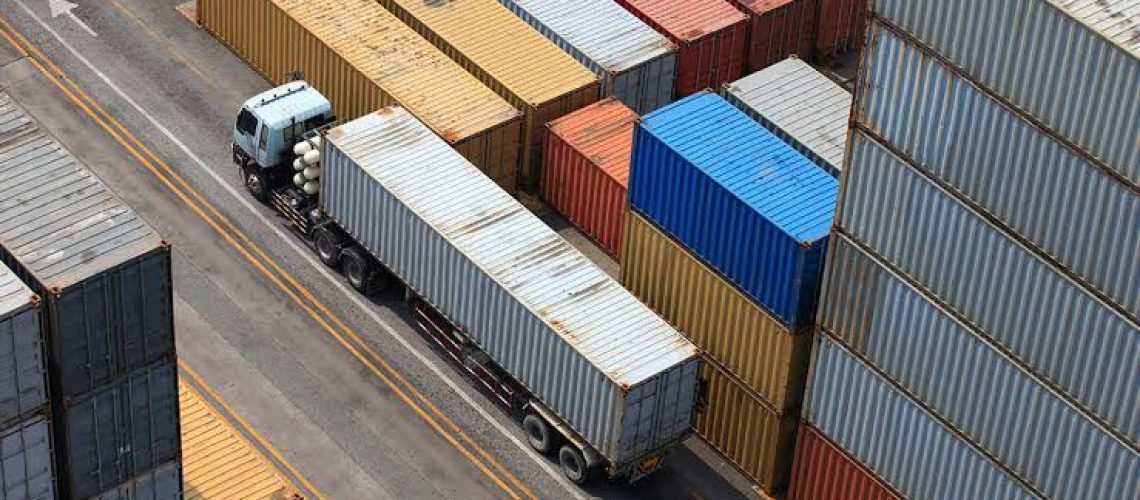
In today’s fast-paced business environment, logistics has become more than simply moving products from one location to another.
It is now a strategic function that determines how efficiently businesses operate, satisfy customers, and remain competitive. For small businesses, especially across Africa and other emerging markets, adopting logistics technology can significantly improve operations while reducing costs.
The rise of affordable digital tools has made it possible for even the smallest enterprises to manage deliveries, monitor inventory, communicate with customers, and optimize supply chains. Whether running an online fashion store, a food business, a neighborhood pharmacy, or an agricultural enterprise, logistics technology helps entrepreneurs deliver products faster and operate more efficiently.
This article explores how logistics technology supports small businesses, the available technologies, benefits, challenges, and future opportunities.
What Is Logistics Technology?
Logistics technology refers to digital tools, software, and automated systems used to plan, manage, and optimize the movement, storage, and delivery of goods. These technologies improve visibility throughout the supply chain, allowing businesses to make informed decisions based on real-time information.
Examples include:
- GPS tracking systems
- Inventory management software
- Delivery management applications
- Route optimization software
- Warehouse management systems
- Barcode and QR code scanning
- Mobile payment integration
- Cloud-based logistics platforms
- Artificial Intelligence (AI) forecasting
- Customer order tracking systems
Why Logistics Technology Matters for Small Businesses
Many small businesses face common operational challenges, including:
- Delayed deliveries
- Poor inventory management
- High transportation costs
- Limited manpower
- Difficulty tracking customer orders
- Inaccurate stock records
Logistics technology addresses these issues by introducing automation, transparency, and efficiency.
Instead of relying on manual record-keeping, businesses can use digital platforms that simplify daily operations while reducing human errors.
Improving Delivery Efficiency
One of the greatest benefits of logistics technology is faster and more reliable deliveries.
Modern delivery management software helps businesses:
- Assign drivers automatically
- Track deliveries in real time
- Notify customers of delivery status
- Reduce missed deliveries
- Minimize fuel consumption
Customers appreciate knowing exactly when their orders will arrive, increasing trust and satisfaction.
Better Inventory Management
Inventory mistakes can cost businesses both money and customers.
Technology helps businesses:
- Track stock levels automatically
- Receive alerts when products run low
- Prevent overstocking
- Reduce expired products
- Improve warehouse organization
Cloud-based inventory systems allow owners to monitor stock from anywhere using smartphones or laptops.
Route Optimization Saves Money
Fuel represents one of the highest logistics expenses for many businesses.
Route optimization software analyzes factors such as:
- Traffic
- Road conditions
- Delivery locations
- Distance
- Vehicle capacity
The software recommends the fastest and most fuel-efficient routes, reducing transportation costs while increasing the number of deliveries completed daily.
Enhanced Customer Experience
Today’s customers expect convenience.
Logistics technology improves customer service through:
- SMS delivery notifications
- Email updates
- Live tracking
- Digital proof of delivery
- Faster customer support
When customers receive regular updates, they become more confident in the business.
Satisfied customers are also more likely to return and recommend the business to others.
Supporting E-commerce Growth
Online shopping depends heavily on reliable logistics.
Small e-commerce businesses use technology to:
- Process online orders automatically
- Connect websites to delivery partners
- Print shipping labels
- Calculate shipping costs
- Track returns
Without logistics technology, managing dozens or hundreds of online orders would become difficult.
Mobile Technology Is Transforming Logistics
Smartphones have become powerful logistics tools.
Business owners can now:
- Receive orders
- Track drivers
- Scan barcodes
- Accept mobile payments
- Manage inventory
- Contact customers instantly
This is particularly valuable across Africa, where smartphone usage continues to grow rapidly.
Cloud-Based Logistics Platforms
Cloud computing allows businesses to access logistics systems online instead of installing expensive software.
Benefits include:
- Lower costs
- Automatic updates
- Data backup
- Remote access
- Easy collaboration
Business owners, warehouse staff, and delivery teams can all access the same information regardless of location.
GPS Tracking Improves Transparency
GPS technology helps businesses monitor delivery vehicles in real time.
Advantages include:
- Reduced theft
- Improved driver accountability
- Faster emergency response
- Better customer communication
- Accurate delivery records
Managers can quickly identify delays and take corrective action before customers are affected.
Automation Reduces Human Errors
Manual paperwork often leads to mistakes.
Automation minimizes:
- Incorrect deliveries
- Duplicate orders
- Lost invoices
- Stock discrepancies
- Billing errors
Employees spend less time on repetitive tasks and more time serving customers.
Data Analytics Supports Better Decisions
Modern logistics software collects valuable business data.
Business owners can analyze:
- Best-selling products
- Delivery performance
- Customer purchasing habits
- Peak demand periods
- Transportation expenses
These insights support smarter planning and improved profitability.
Technology Helps Small Businesses Compete
Large corporations have traditionally dominated logistics due to their resources.
Affordable digital tools now allow smaller businesses to compete by offering:
- Faster delivery
- Professional order tracking
- Better customer service
- Efficient inventory control
- Reliable communication
Technology narrows the gap between small enterprises and larger competitors.
Digital Payments Simplify Logistics
Many logistics platforms integrate mobile payment systems.
Benefits include:
- Faster payment processing
- Reduced cash handling
- Secure transactions
- Easier bookkeeping
- Improved customer convenience
Customers can pay online before products are dispatched or upon delivery using digital payment options.
Warehouse Technology for Small Businesses
Even small storage facilities benefit from technology.
Warehouse tools include:
- Barcode scanners
- QR code systems
- Digital inventory records
- Automated stock counting
- Shelf management software
These technologies improve organization while reducing product losses.
Integration with Online Marketplaces
Many logistics platforms connect directly with online marketplaces.
This allows businesses to:
- Import customer orders automatically
- Update stock instantly
- Generate shipping labels
- Track deliveries
- Manage returns efficiently
The integration saves time and reduces administrative work.
Challenges of Adopting Logistics Technology
Despite its advantages, small businesses may encounter several challenges.
These include:
Initial Costs
Some software subscriptions and hardware require upfront investment.
Limited Digital Skills
Business owners and staff may need training to use new systems effectively.
Internet Connectivity
Reliable internet access remains a challenge in some rural areas.
Data Security
Businesses must protect customer information using secure digital systems.
System Integration
Older manual processes may require time to transition into digital workflows.
Practical Tips for Small Businesses
Entrepreneurs considering logistics technology should:
- Start with affordable cloud-based software.
- Train employees regularly.
- Use mobile-friendly platforms.
- Choose scalable solutions.
- Monitor logistics performance using reports.
- Regularly update software.
- Back up important business data.
- Work with trusted logistics partners.
Small improvements implemented consistently often deliver significant long-term benefits.
The Future of Logistics Technology
Emerging technologies are expected to transform logistics even further.
Future developments include:
- Artificial Intelligence for demand forecasting
- Delivery drones
- Autonomous delivery vehicles
- Smart warehouses
- Internet of Things (IoT) sensors
- Blockchain for supply chain transparency
- Robotics in fulfillment centers
As these technologies become more affordable, small businesses will gain even greater access to advanced logistics capabilities.
Logistics Technology in Africa
Africa’s digital economy is creating exciting opportunities for logistics innovation.
Growing internet access, expanding e-commerce, increasing smartphone adoption, and improved mobile payment systems are enabling thousands of entrepreneurs to modernize their operations.
Local delivery startups, digital marketplaces, and technology-driven transport services are making it easier for small businesses to reach customers in cities and underserved communities alike.
As governments continue investing in digital infrastructure and transportation networks, logistics technology is expected to play a vital role in supporting entrepreneurship, job creation, and economic growth across the continent.
Conclusion
Logistics technology is no longer reserved for large corporations. Affordable digital solutions are empowering small businesses to improve efficiency, reduce costs, and deliver better customer experiences. From inventory management and route optimization to real-time tracking and cloud-based systems, technology enables entrepreneurs to streamline operations and compete in increasingly dynamic markets.
For small businesses across Africa and beyond, investing in the right logistics technology is an investment in long-term growth. As digital innovation continues to reshape supply chains, businesses that embrace these tools will be better positioned to meet customer expectations, expand into new markets, and build resilient, future-ready operations.
