

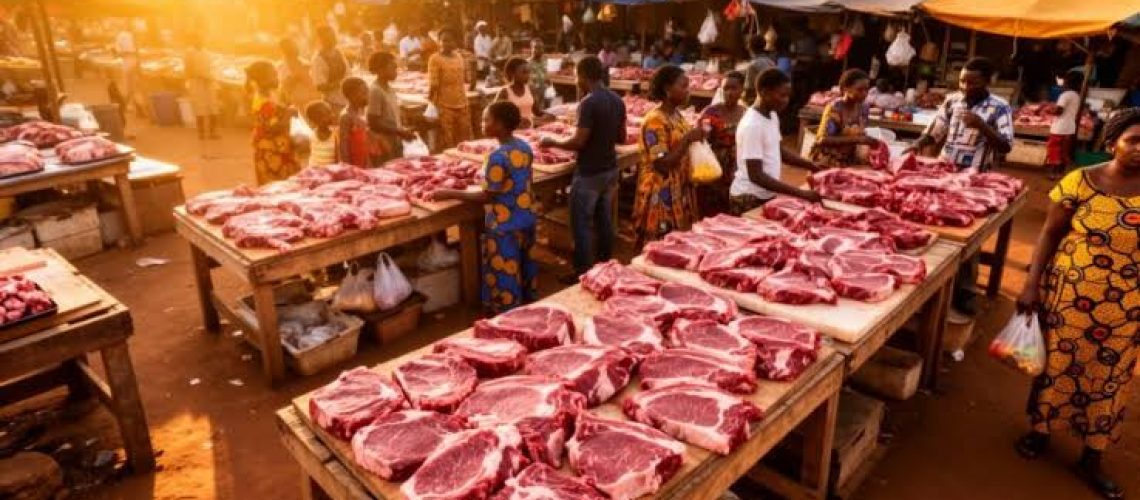
Across Africa, food has always been more than nourishment, it is a symbol of community, culture, and shared responsibility.
From neighborhood cooperatives to village harvest celebrations, the tradition of sharing food has helped families survive economic challenges and strengthen social bonds. Today, this age-old practice is evolving into a modern concept known as bulk food sharing.
Bulk food sharing involves individuals, families, businesses, schools, religious organizations, and communities purchasing or distributing food in large quantities to reduce costs, minimize waste, and improve food accessibility. As urbanization, digital technology, and changing consumer habits reshape African societies, bulk food sharing is becoming an important solution for food security and economic resilience.
The future of bulk food sharing in Africa looks promising. With advances in technology, stronger community networks, and increasing awareness of sustainable living, the continent is well-positioned to transform how people buy, distribute, and consume food.
Understanding Bulk Food Sharing
Bulk food sharing occurs when multiple people combine their purchasing power to buy food in larger quantities than they could individually. After purchasing, the food is divided according to each participant’s contribution.
Common examples include:
- Families purchasing a full bag of rice together
- Communities buying cooking oil wholesale
- Schools ordering food supplies in bulk
- Churches organizing cooperative food purchases
- Farmers selling produce directly to groups
- Office workers sharing grocery deliveries
This approach significantly lowers costs while ensuring better access to quality food.
Why Bulk Food Sharing Is Growing
Several factors are accelerating this trend across Africa.
Rising Food Prices
Inflation and increasing transportation costs have made food more expensive. Buying wholesale often provides substantial savings compared to purchasing small retail quantities.
Growing Urban Population
Africa’s cities continue to expand rapidly. Urban residents often have limited storage space but benefit greatly from organized community purchasing groups.
Digital Connectivity
Mobile phones and internet access have made it easier to organize group purchases through messaging platforms and online marketplaces.
Increased Awareness
Consumers are becoming more informed about reducing waste, saving money, and supporting local farmers.
Technology Will Drive the Future
Technology is expected to become the biggest catalyst for bulk food sharing.
Mobile Applications
Dedicated apps could allow users to:
- Join local buying groups
- Compare wholesale prices
- Split payments securely
- Schedule deliveries
- Track shared orders
Such platforms would simplify coordination and encourage wider participation.
Digital Payments
Mobile money services make it easier for participants to contribute their share before purchases are made.
Instant digital payments reduce disputes and improve trust among group members.
Artificial Intelligence
AI could help buyers predict food demand, recommend optimal purchase quantities, identify seasonal price trends, and reduce unnecessary waste.
Smart Logistics
Technology can optimize delivery routes, reducing transportation costs and ensuring fresher products reach consumers quickly.
Supporting Local Farmers
One of the greatest opportunities lies in connecting farmers directly with consumers.
Instead of relying solely on middlemen, farmers can:
- Sell larger quantities directly to buying groups
- Receive better prices
- Build long-term customer relationships
- Reduce unsold produce
Consumers also benefit by receiving fresher food at lower prices.
This direct relationship strengthens local economies while encouraging agricultural productivity.
Community-Based Food Networks
Future food-sharing systems are likely to become increasingly community-driven.
Neighborhood associations may organize regular food purchases.
Residential estates could create grocery cooperatives.
Religious organizations may establish food-sharing programs for members.
Youth groups might coordinate bulk buying for students and young professionals.
These community-based systems build trust while improving food accessibility.
Food Cooperatives Will Expand
Food cooperatives are becoming more popular worldwide, and Africa has significant potential for growth in this area.
Members contribute funds regularly and enjoy benefits such as:
- Lower food prices
- Better-quality products
- Stable food supplies
- Shared storage facilities
- Collective bargaining power
Cooperatives can negotiate directly with wholesalers, processors, and farmers.
Reducing Food Waste
Food waste remains a major challenge despite widespread food insecurity.
Bulk food sharing can reduce waste by:
- Matching purchases to actual demand
- Encouraging planned consumption
- Sharing surplus food
- Improving inventory management
Future digital systems may notify communities whenever surplus food becomes available for redistribution before spoilage occurs.
Cold Storage Innovations
Improved storage technology will support bulk food sharing.
Solar-powered cold rooms can help preserve:
- Fruits
- Vegetables
- Fish
- Dairy products
- Meat
Community storage facilities allow buyers to purchase larger quantities without worrying about spoilage.
This is especially valuable in rural areas with limited electricity.
Expanding Rural-Urban Connections
Bulk food sharing creates stronger links between producers and consumers.
Farmers can organize weekly deliveries directly to urban buying groups.
Urban consumers receive fresher produce.
Farmers earn higher incomes.
Transportation becomes more efficient through coordinated deliveries.
Everyone benefits.
The Role of Governments
Governments can encourage bulk food sharing by:
- Supporting agricultural cooperatives
- Improving rural roads
- Investing in storage infrastructure
- Encouraging digital commerce
- Offering training programs
- Reducing unnecessary market barriers
Policies that strengthen food distribution networks will improve national food security.
Private Sector Opportunities
Businesses have numerous opportunities within this growing market.
Potential ventures include:
- Grocery-sharing platforms
- Food delivery services
- Cooperative management software
- Bulk packaging businesses
- Community warehouses
- Logistics companies
- Agricultural marketplaces
- Food financing services
Entrepreneurs who solve logistical challenges could build highly successful businesses.
Benefits for Families
Bulk food sharing offers several household advantages.
Families can:
- Reduce monthly grocery expenses
- Access higher-quality food
- Purchase staple foods at wholesale prices
- Improve household budgeting
- Build stronger relationships with neighbors
Financial savings can be redirected toward education, healthcare, or investments.
Benefits for Students
Students often face limited budgets.
Group purchasing enables students to buy:
- Rice
- Beans
- Cooking oil
- Garri
- Pasta
- Flour
- Frozen foods
University communities are ideal environments for organized food-sharing systems.
Benefits for Small Businesses
Restaurants, food vendors, and catering businesses can reduce operating costs through cooperative purchasing.
Businesses sharing suppliers can negotiate:
- Better prices
- Lower delivery costs
- Consistent quality
- Reliable supply schedules
This improves profitability while maintaining competitive prices.
Sustainability and Environmental Impact
Bulk food sharing contributes to environmental sustainability.
Benefits include:
- Reduced packaging waste
- Fewer transportation trips
- Lower carbon emissions
- Improved resource efficiency
- Less food spoilage
Consumers increasingly value environmentally responsible practices.
Challenges Ahead
Despite its potential, several obstacles remain.
Trust Issues
Participants must trust organizers to manage funds fairly.
Transparent payment systems and digital tracking can improve accountability.
Storage Limitations
Many households lack sufficient storage space.
Community warehouses and improved preservation methods can address this challenge.
Transportation
Poor road infrastructure increases delivery costs.
Infrastructure investment remains essential.
Digital Literacy
Some consumers may struggle to use online platforms.
Education and user-friendly applications will encourage adoption.
Emerging Trends
Several trends are likely to shape the next decade.
Subscription Food Clubs
Members receive regular grocery packages through monthly subscriptions.
Hyperlocal Buying Groups
Neighbors organize purchases within individual communities.
Farmer-to-Consumer Platforms
Digital marketplaces connect producers directly with buyers.
Smart Inventory Systems
AI predicts demand and reduces waste.
Community Food Hubs
Shared facilities provide storage, packaging, and distribution services.
Sustainable Packaging
Reusable containers reduce plastic waste during food sharing.
The Role of Youth
Africa’s youthful population is well-positioned to drive innovation in this sector.
Young entrepreneurs can develop:
- Food-sharing apps
- Logistics companies
- Digital marketplaces
- Warehouse services
- Cold chain businesses
- Agricultural technology solutions
Their creativity and familiarity with technology can accelerate adoption across the continent.
Looking Ahead
As Africa’s population continues to grow, efficient food distribution will become increasingly important. Bulk food sharing offers a practical way to reduce household expenses, strengthen local economies, minimize food waste, and improve food security.
The integration of technology, community cooperation, and sustainable practices will likely make bulk food sharing a standard part of everyday life in many African countries. Governments, businesses, cooperatives, and citizens all have roles to play in building systems that are transparent, efficient, and inclusive.
By embracing innovation while preserving the continent’s long-standing culture of communal support, Africa can create a future where nutritious food is more affordable, accessible, and sustainably distributed. Bulk food sharing is not merely a cost-saving strategy, it represents a collaborative model for addressing some of the continent’s most pressing food and economic challenges.
