

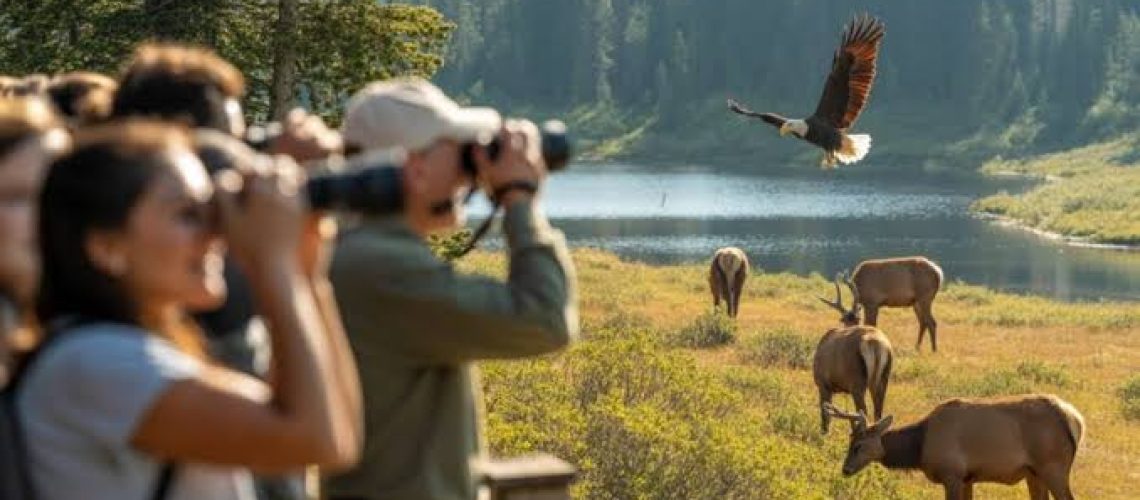
Travel is about more than visiting famous landmarks or relaxing on beautiful beaches.
For many people, the most rewarding journeys are those that connect them with the natural world. Nature and wildlife travel offers unforgettable experiences, allowing travelers to explore breathtaking landscapes, observe animals in their natural habitats, and gain a deeper appreciation for the environment.
Africa, with its vast wilderness, diverse ecosystems, and incredible biodiversity, is one of the world’s leading destinations for nature and wildlife tourism. From expansive savannahs and dense rainforests to towering mountains and pristine coastlines, the continent provides endless opportunities for meaningful adventures that leave lasting memories.
Why Nature and Wildlife Travel Is Growing
Modern travelers increasingly seek experiences rather than material possessions. Nature-based tourism offers authenticity, adventure, and a chance to disconnect from busy urban life.
Some of the reasons for its growing popularity include:
- Opportunities to see wildlife in their natural environments.
- Improved awareness of environmental conservation.
- Increased interest in eco-tourism.
- Better mental and physical well-being through outdoor activities.
- Educational experiences for families and students.
Rather than simply taking photographs, travelers become participants in preserving and appreciating the natural world.
Africa’s Rich Wildlife Heritage
Africa is home to thousands of animal species and some of the world’s most famous national parks and wildlife reserves. Visitors can encounter:
- Lions
- African elephants
- Leopards
- Rhinoceroses
- Buffaloes
- Giraffes
- Zebras
- Cheetahs
- Hippos
- Gorillas
- Chimpanzees
- Flamingos
- Numerous bird species
The diversity of wildlife makes every region unique, offering different experiences throughout the year.
Popular Nature and Wildlife Destinations
1. Savannah Safaris
The vast grasslands of East and Southern Africa offer classic safari experiences where visitors witness animals roaming freely across open landscapes.
Activities include:
- Game drives
- Sunrise and sunset safaris
- Wildlife photography
- Guided bush walks
- Camping under the stars
Seasonal migrations create some of the most spectacular wildlife events on Earth.
2. Rainforest Adventures
Africa’s tropical forests provide opportunities to explore ecosystems filled with rare plants and endangered wildlife.
Visitors can enjoy:
- Gorilla trekking
- Chimpanzee tracking
- Bird watching
- Forest hiking
- Botanical tours
Rainforests reveal an entirely different side of African biodiversity compared to open savannahs.
3. Mountain Exploration
Mountain destinations combine scenic beauty with physical adventure.
Popular activities include:
- Hiking
- Mountain climbing
- Nature photography
- Bird observation
- Cultural encounters with local communities
The changing vegetation along mountain trails offers unique wildlife viewing opportunities.
4. Wetlands and Rivers
Africa’s rivers and wetlands support enormous populations of aquatic wildlife.
Visitors often experience:
- Boat safaris
- Canoeing
- Fishing
- Crocodile spotting
- Hippo viewing
- Waterbird observation
These peaceful environments provide a different perspective from traditional land safaris.
5. Coastal Nature Experiences
Africa’s coastline stretches thousands of kilometers and hosts remarkable marine ecosystems.
Travelers may enjoy:
- Whale watching
- Dolphin tours
- Sea turtle nesting observations
- Mangrove exploration
- Coral reef snorkeling
- Marine conservation programs
These coastal adventures showcase the continent’s rich underwater biodiversity.
Memorable Wildlife Experiences
Nature travel creates unforgettable moments that remain with travelers for years.
Examples include:
- Watching elephants gather around watering holes.
- Hearing lions roar across the savannah at night.
- Witnessing thousands of migrating wildebeest.
- Seeing gorillas interact within their family groups.
- Observing colorful birds during sunrise.
- Watching sea turtles return to beaches to lay eggs.
- Photographing dramatic African sunsets over untouched landscapes.
Such experiences inspire respect for wildlife and encourage conservation.
The Importance of Responsible Tourism
Wildlife tourism should always prioritize the protection of animals and ecosystems.
Responsible travelers should:
- Keep a safe distance from wildlife.
- Never feed wild animals.
- Follow park regulations.
- Avoid disturbing natural habitats.
- Dispose of waste properly.
- Choose licensed tour operators.
- Support conservation-focused tourism businesses.
Responsible behavior helps preserve these environments for future generations.
Benefits for Local Communities
Nature tourism contributes significantly to local economies across Africa.
Benefits include:
- Employment opportunities
- Income for local guides
- Growth of hospitality businesses
- Support for handicraft industries
- Community development projects
- Funding for schools and healthcare
- Incentives to protect wildlife habitats
When managed sustainably, tourism creates economic opportunities while encouraging environmental protection.
Essential Packing Tips
Preparing properly enhances any wildlife adventure.
Useful items include:
- Comfortable hiking boots
- Lightweight clothing
- Wide-brimmed hat
- Sunscreen
- Insect repellent
- Binoculars
- Camera with extra batteries
- Reusable water bottle
- Rain jacket
- Small first-aid kit
Packing appropriately ensures comfort during outdoor activities.
Wildlife Photography Tips
Capturing wildlife requires patience and respect.
Helpful techniques include:
- Use natural lighting whenever possible.
- Stay quiet to avoid disturbing animals.
- Keep a respectful distance.
- Focus on animal behavior rather than close-up shots.
- Avoid using flash photography.
- Be patient and wait for natural moments.
Ethical photography protects wildlife while producing memorable images.
Conservation Through Tourism
Many wildlife reserves rely on tourism revenue to fund conservation projects.
Tourism supports:
- Anti-poaching initiatives
- Habitat restoration
- Wildlife research
- Environmental education
- Community conservation programs
- Protected area management
By visiting responsibly, travelers contribute directly to preserving Africa’s natural heritage.
Challenges Facing Wildlife Tourism
Despite its benefits, wildlife tourism faces several challenges.
These include:
- Climate change
- Habitat destruction
- Illegal wildlife trade
- Human-wildlife conflict
- Pollution
- Unsustainable development
- Overcrowding at popular destinations
Addressing these challenges requires cooperation between governments, conservation organizations, local communities, and travelers.
Planning the Perfect Nature Trip
Successful wildlife travel begins with careful planning.
Consider:
- The best season for wildlife viewing.
- Local weather conditions.
- Health and vaccination requirements.
- Park regulations.
- Transportation options.
- Accommodation near protected areas.
- Experienced local guides.
Proper preparation increases both safety and enjoyment.
Conclusion
Travel experiences focused on nature and wildlife offer far more than sightseeing, they create meaningful connections with the planet’s most extraordinary environments. Africa’s remarkable landscapes, diverse ecosystems, and iconic wildlife provide travelers with adventures that inspire wonder, respect, and a deeper understanding of conservation.
By embracing responsible tourism practices, supporting local communities, and protecting natural habitats, every traveler can help ensure that future generations continue to enjoy Africa’s extraordinary wildlife. Whether exploring a vast savannah, trekking through a rainforest, cruising along a tranquil river, or discovering vibrant marine ecosystems, nature-based travel leaves lasting memories while contributing to the preservation of one of Earth’s greatest treasures.
