

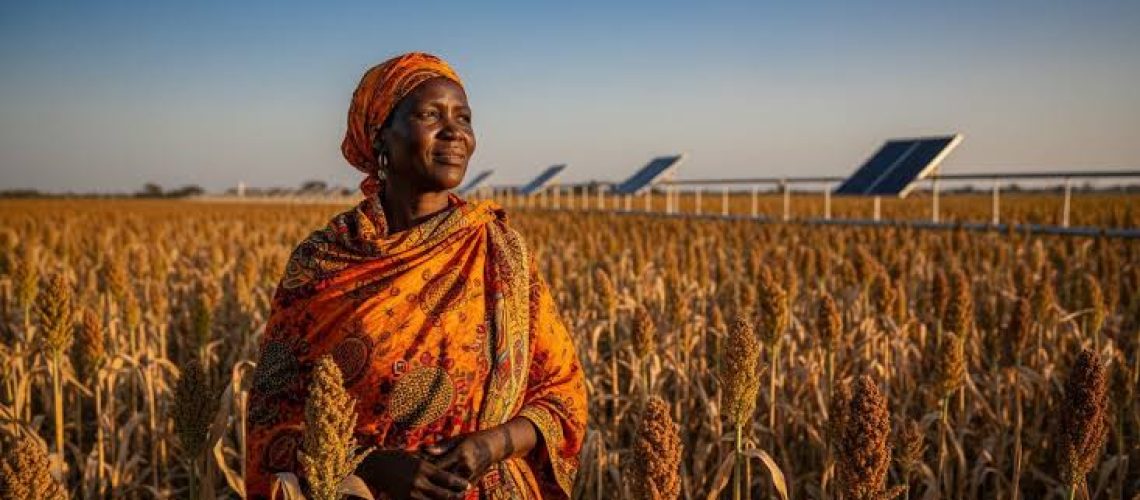
Food Security Initiatives Across Africa: Building a More Resilient Future
Food security remains one of Africa’s most important development priorities. Although the continent possesses nearly 60% of the world’s uncultivated arable land, millions of Africans continue to face food shortages caused by climate change, conflict, poor infrastructure, rapid population growth, and economic instability.
However, the narrative is changing. Across Africa, governments, private businesses, development organizations, farmers, and local communities are implementing innovative food security initiatives that are increasing agricultural productivity, reducing food waste, strengthening supply chains, and ensuring more families have reliable access to nutritious food.
This growing movement demonstrates that achieving food security requires more than simply producing more food, it requires building resilient systems that can withstand economic and environmental challenges.
Understanding Food Security
Food security exists when all people, at all times, have physical, social, and economic access to sufficient, safe, and nutritious food that meets their dietary needs for a healthy and active life.
Food security depends on four key pillars:
- Food availability
- Food accessibility
- Food utilization
- Food system stability
Weakness in any of these areas can threaten entire communities.
Why Food Security Matters in Africa
Agriculture contributes significantly to Africa’s economy and employs more than half of the continent’s workforce. Yet food insecurity continues to affect millions.
Some major challenges include:
- Irregular rainfall and prolonged droughts
- Flooding and changing climate patterns
- Poor storage facilities
- High post-harvest losses
- Rising food prices
- Limited access to farming technology
- Inadequate transportation infrastructure
- Armed conflicts and displacement
Addressing these issues requires coordinated efforts across multiple sectors.
Government-Led Agricultural Transformation Programs
Many African governments have introduced policies aimed at increasing local food production and reducing dependence on imported food.
These initiatives often focus on:
- Expanding irrigation systems
- Subsidizing fertilizers and improved seeds
- Mechanizing farming operations
- Supporting agricultural research
- Improving rural roads
- Providing access to affordable farm credit
Countries investing consistently in agricultural modernization are seeing improvements in crop yields and farmer incomes.
Climate-Smart Agriculture
Climate change has become one of the greatest threats to food production across Africa.
To address this challenge, farmers are increasingly adopting climate-smart agricultural practices such as:
Drought-Resistant Crops
Scientists and agricultural institutions have developed crop varieties that require less water while maintaining good yields.
Examples include:
- Improved maize varieties
- Drought-resistant cassava
- Sorghum
- Millet
- Cowpeas
These crops help farmers continue producing food even during dry seasons.
Water Conservation Techniques
Communities are embracing water-saving methods including:
- Drip irrigation
- Rainwater harvesting
- Water reservoirs
- Soil moisture conservation
- Mulching
These techniques improve resilience against unpredictable rainfall.
Digital Agriculture Is Supporting Farmers
Technology is transforming agriculture throughout Africa.
Farmers now use mobile phones to:
- Access weather forecasts
- Receive farming advice
- Compare market prices
- Purchase farm inputs
- Apply for agricultural loans
- Connect directly with buyers
Digital platforms reduce information gaps and help farmers make better business decisions.
Strengthening Local Food Value Chains
Growing food alone is not enough. Strong value chains ensure food reaches consumers efficiently while providing income opportunities for producers.
Many initiatives now support:
- Food processing businesses
- Cold storage facilities
- Warehousing
- Packaging industries
- Transport logistics
- Agricultural cooperatives
These investments reduce waste and increase food availability.
Reducing Post-Harvest Losses
A significant portion of Africa’s harvested crops is lost before reaching consumers. Poor storage, transportation delays, pests, and inadequate processing contribute to billions of dollars in annual losses.
Innovative solutions include:
- Hermetic storage bags
- Modern grain silos
- Solar-powered cold rooms
- Improved transportation
- Community warehouses
- Better packaging systems
Reducing food waste effectively increases food supply without requiring additional farmland.
Women Are Driving Food Security
Women produce a large share of Africa’s food.
Across the continent, initiatives are empowering women farmers through:
- Agricultural training
- Access to finance
- Land ownership support
- Farmer cooperatives
- Business development programs
- Digital financial services
When women gain greater access to resources, agricultural productivity and household nutrition often improve.
Youth Engagement in Agriculture
Africa has one of the world’s youngest populations.
Rather than viewing agriculture as outdated, many young entrepreneurs are introducing innovation into the sector through:
- Agritech startups
- Precision farming
- Drone technology
- Greenhouse farming
- Hydroponics
- Food delivery platforms
- Farm management software
Youth-led businesses are helping modernize agriculture while creating employment opportunities.
Community Food Security Programs
Local communities are developing practical solutions to improve food availability.
Examples include:
Community Gardens
Urban and rural communities establish shared gardens where residents grow vegetables and fruits together.
Benefits include:
- Improved nutrition
- Lower household food expenses
- Community cooperation
- Skills development
School Feeding Programs
Many governments and non-governmental organizations support school meal programs using food sourced from local farmers.
This approach:
- Improves child nutrition
- Encourages school attendance
- Creates stable markets for farmers
- Supports rural economies
Expanding Irrigation Infrastructure
Most African agriculture still depends heavily on rainfall.
Expanding irrigation allows farmers to:
- Grow crops throughout the year
- Increase harvest frequency
- Improve productivity
- Reduce climate-related risks
Investments in irrigation are becoming a major priority in several countries.
Regional Trade and Food Security
Improved regional trade enables countries experiencing food surpluses to supply neighboring regions facing shortages.
Regional cooperation helps:
- Stabilize food prices
- Improve market access
- Reduce transportation costs
- Increase food availability
- Strengthen economic resilience
Better trade integration benefits both farmers and consumers.
Private Sector Investment
Businesses are increasingly investing in Africa’s food systems.
Private sector contributions include:
- Food processing plants
- Agricultural financing
- Seed production
- Farm machinery
- Cold chain logistics
- Retail food distribution
Public-private partnerships are accelerating agricultural development across the continent.
The Role of Urban Agriculture
Rapid urbanization has increased demand for locally produced food.
Many cities now support:
- Rooftop farming
- Vertical gardens
- Backyard vegetable production
- Aquaponics
- Poultry farming
- Urban greenhouses
Urban agriculture shortens supply chains and improves access to fresh produce.
Nutrition-Sensitive Agriculture
Food security is not only about producing enough food but also ensuring healthy diets.
Many initiatives now encourage farmers to diversify production by growing:
- Fruits
- Vegetables
- Legumes
- Nuts
- Biofortified crops
- Protein-rich foods
Diversified farming improves nutrition while creating additional income streams.
Challenges That Still Need Attention
Despite encouraging progress, several obstacles remain:
- Limited agricultural financing
- Weak rural infrastructure
- Inadequate storage facilities
- Climate-related disasters
- Inconsistent agricultural policies
- High transportation costs
- Land degradation
- Limited access to quality inputs
Addressing these challenges will require sustained investment and collaboration.
The Future of Food Security in Africa
Africa possesses enormous agricultural potential. With continued investment in technology, climate adaptation, infrastructure, education, and regional cooperation, the continent can significantly reduce hunger while becoming a global agricultural powerhouse.
Food security initiatives are already transforming rural communities, empowering farmers, encouraging innovation, and strengthening local economies. As governments, businesses, researchers, and communities continue working together, Africa is steadily building more resilient food systems capable of feeding future generations.
Conclusion
Food security is essential for economic growth, public health, and sustainable development across Africa. Encouraging initiatives, from climate-smart farming and digital agriculture to improved storage, youth entrepreneurship, and community-led programs, are demonstrating that practical, locally driven solutions can make a lasting difference.
By supporting farmers, investing in resilient infrastructure, reducing food waste, and promoting inclusive agricultural policies, African nations can create stronger food systems that benefit both rural and urban populations. The path toward food security is a shared responsibility, and the progress already underway offers hope for a future where every household has access to safe, nutritious, and affordable food.
