

Waste Management Innovations: Transforming Africa’s Future Through Smarter Solutions
As Africa’s cities continue to expand, managing waste has become one of the continent’s most pressing urban challenges. Rapid population growth, increased consumerism, industrial expansion, and changing lifestyles have led to a significant rise in the amount of waste generated daily. Traditional methods of collecting and disposing of waste are no longer sufficient to meet the demands of modern cities.
Fortunately, innovation is changing the landscape. Across Africa and around the world, governments, entrepreneurs, researchers, and communities are introducing smarter, cleaner, and more sustainable approaches to waste management. These innovations are helping reduce pollution, create employment opportunities, generate renewable energy, and improve public health.
This article explores some of the most impactful waste management innovations shaping Africa’s future and why they matter.
Understanding the Waste Challenge
According to environmental experts, African cities generate millions of tonnes of municipal solid waste annually, with significant amounts ending up in open dumps, waterways, and illegal disposal sites. Poor waste management contributes to flooding, greenhouse gas emissions, disease outbreaks, and environmental degradation.
Common waste categories include:
- Household waste
- Plastic packaging
- Organic food waste
- Electronic waste (e-waste)
- Construction debris
- Industrial waste
- Medical waste
Managing these waste streams efficiently requires innovative thinking beyond simply transporting rubbish to landfills.
The Rise of Smart Waste Collection
One of the biggest innovations is the adoption of smart waste collection systems. Instead of relying solely on fixed collection schedules, many cities now use technology to optimize waste collection routes. Smart bins equipped with sensors can monitor how full they are and notify waste collection companies when they need emptying.
Benefits include:
- Reduced fuel consumption
- Lower operational costs
- Faster waste collection
- Cleaner neighborhoods
- Reduced traffic congestion
Mobile applications also allow residents to report overflowing bins or request waste pickup directly from service providers.
Recycling Technologies Are Becoming More Advanced
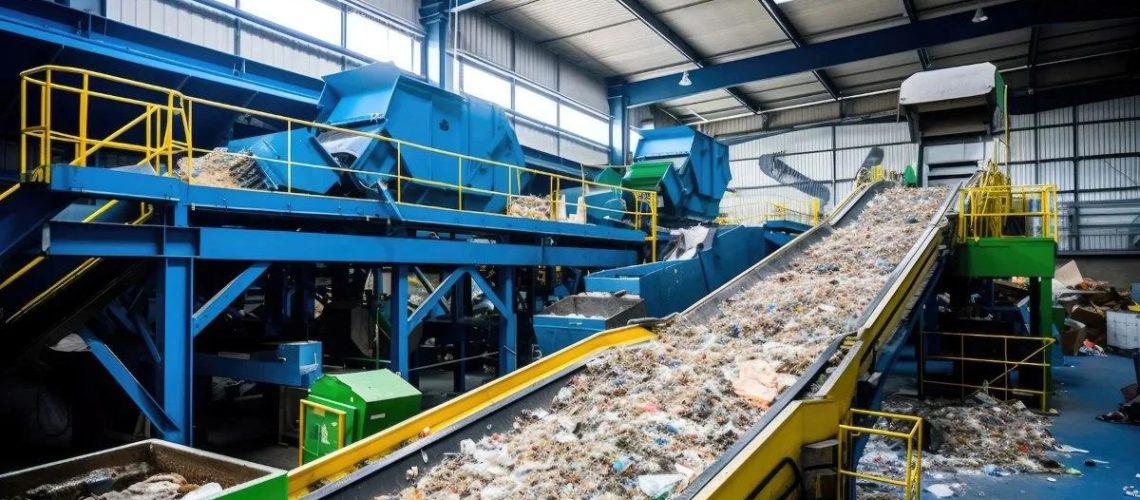
Recycling has evolved significantly over the past decade. Modern recycling facilities use automated sorting systems that separate plastics, metals, paper, and glass more efficiently than manual methods.
Some innovative technologies include:
AI-Powered Waste Sorting
Artificial intelligence and machine learning systems can recognize different waste materials using cameras and sensors, increasing recycling accuracy while reducing contamination.
Plastic-to-Product Manufacturing
Instead of disposing of plastic waste, many startups now convert discarded plastics into:
- Building blocks
- Roofing sheets
- School desks
- Pavement tiles
- Outdoor furniture
- Fencing materials
These innovations reduce landfill waste while creating valuable products for local communities.
Organic Waste Is Becoming a Valuable Resource
Food waste makes up a significant percentage of household waste across Africa. Rather than allowing organic waste to decompose in landfills and release methane gas, innovative businesses now convert it into useful products.
Compost Production
Organic waste can be transformed into nutrient-rich compost that improves soil fertility for farmers.
Benefits include:
- Reduced landfill waste
- Improved agricultural productivity
- Reduced dependence on chemical fertilizers
- Better soil health
Biogas Technology
Animal waste and food scraps can be processed in biodigesters to produce biogas, a renewable energy source used for:
- Cooking
- Electricity generation
- Heating
- Small industrial operations
The leftover material from biodigesters also serves as high-quality organic fertilizer.
Waste-to-Energy Projects
One of the most exciting innovations involves converting waste into electricity.
Waste-to-energy plants burn non-recyclable waste under controlled conditions to generate electricity while reducing landfill volumes.
Other technologies include:
- Gasification
- Pyrolysis
- Anaerobic digestion
- Refuse-derived fuel production
Although these projects require substantial investment, they offer long-term environmental and economic benefits for growing cities.
The Circular Economy Is Changing Waste Management
Traditional economies follow a simple pattern:
Take → Use → Dispose.
The circular economy replaces this with:
Design → Use → Reuse → Repair → Recycle → Recover.
In this model, waste becomes a valuable resource instead of a disposal problem.
Businesses are increasingly designing products that:
- Last longer
- Can be repaired
- Use recyclable materials
- Produce minimal waste
- Can be reused multiple times
This approach reduces resource consumption while supporting sustainable economic growth.
Digital Platforms Are Improving Recycling
Technology has made recycling more accessible.
Several digital platforms now connect households, businesses, and recycling companies.
Users can:
- Schedule pickups
- Sell recyclable materials
- Track recycling rewards
- Locate recycling centers
- Learn proper waste separation techniques
These platforms encourage greater public participation in responsible waste disposal.
Innovations in Plastic Waste Management
Plastic pollution remains one of Africa’s biggest environmental concerns.
Innovative solutions include:
Plastic Roads
Some companies mix recycled plastic with asphalt to build stronger, longer-lasting roads.
Advantages include:
- Reduced plastic pollution
- More durable road surfaces
- Lower maintenance costs
- Improved resistance to water damage
Eco-Bricks
Plastic bottles filled with non-recyclable plastic waste create sturdy construction materials for benches, walls, classrooms, and community structures.
Managing Electronic Waste
The rapid adoption of smartphones, laptops, televisions, and household appliances has increased electronic waste across Africa.
Innovative e-waste management includes:
- Safe component dismantling
- Precious metal recovery
- Certified recycling centers
- Device refurbishment
- Responsible disposal of hazardous materials
Recovering valuable metals from old electronics also reduces the need for environmentally damaging mining activities.
Community-Based Waste Management
Innovation is not limited to technology.
Many African communities are developing successful grassroots waste management systems through:
- Community recycling hubs
- Youth-led clean-up campaigns
- Women’s recycling cooperatives
- Waste collection entrepreneurship
- Environmental education programs
These initiatives create employment while improving neighborhood cleanliness.
The Role of Artificial Intelligence
Artificial intelligence is beginning to transform waste management by helping organizations:
- Predict waste generation patterns
- Optimize collection routes
- Improve recycling efficiency
- Detect illegal dumping
- Analyze landfill capacity
- Reduce operational costs
As AI becomes more affordable, its adoption across African cities is expected to increase.
Challenges Slowing Innovation
Despite significant progress, several obstacles remain.
These include:
- Limited funding
- Poor waste segregation at source
- Inadequate recycling infrastructure
- Weak enforcement of environmental regulations
- Low public awareness
- Informal waste disposal practices
Addressing these challenges requires collaboration between governments, businesses, investors, and local communities.
Opportunities for African Entrepreneurs
Waste management is becoming a rapidly growing business sector.
Entrepreneurs can explore opportunities in:
- Plastic recycling
- Organic compost production
- Waste collection services
- Recycling logistics
- Upcycling businesses
- Waste-to-energy projects
- Environmental consulting
- Smart waste technology
- E-waste recycling
- Sustainable packaging production
These businesses contribute to environmental sustainability while creating jobs and generating income.
How Individuals Can Support Waste Innovation
Every household has a role to play.
Simple actions include:
- Separating recyclable waste
- Reducing single-use plastics
- Composting food waste
- Supporting recycled products
- Participating in community clean-up initiatives
- Educating children about environmental responsibility
- Properly disposing of electronic waste
Small daily habits can collectively make a significant environmental impact.
The Future of Waste Management in Africa
Africa’s waste management future lies in innovation, collaboration, and sustainability. As cities become smarter and technologies become more affordable, waste will increasingly be viewed as a valuable resource rather than a burden.
Governments are investing in greener infrastructure, startups are developing creative recycling solutions, and communities are embracing environmentally responsible practices. Together, these efforts are paving the way for cleaner cities, healthier populations, and stronger local economies.
The transition will require continued investment, supportive policies, and public participation. However, the progress already being made demonstrates that innovative waste management is not only possible but essential for Africa’s sustainable development.
Conclusion
Waste management innovations are reshaping how African societies think about waste. From AI-powered recycling systems and waste-to-energy plants to community-led initiatives and circular economy models, these solutions are helping address environmental challenges while creating economic opportunities.
By embracing innovation and encouraging responsible waste practices, Africa can reduce pollution, improve urban living conditions, and build a more sustainable future for generations to come. Every innovation, whether driven by technology or community action, brings the continent one step closer to cleaner, greener, and more resilient cities.
