

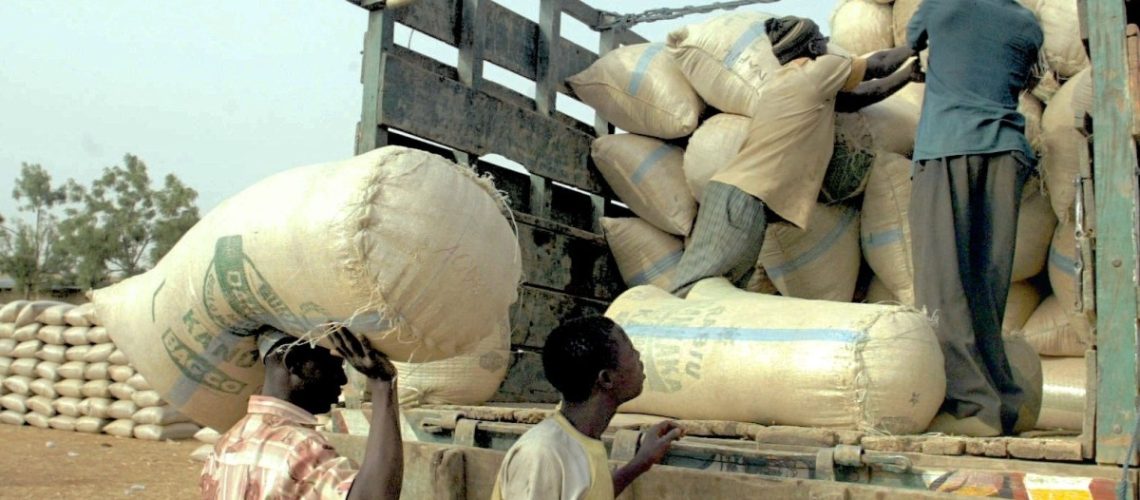
Regional trade agreements (RTAs) have become one of the most important tools for promoting economic growth and strengthening cooperation between neighboring countries.
As global trade becomes increasingly interconnected, countries are choosing to work together by reducing trade barriers, harmonizing regulations, and encouraging the free movement of goods, services, and investments.
Across Africa, regional trade agreements are playing a significant role in accelerating development. They help businesses expand into new markets, create employment opportunities, improve infrastructure, and encourage industrial growth. Most importantly, they strengthen economic resilience by reducing dependence on overseas markets.
This article explores the impact of regional trade agreements, their benefits, challenges, and why they matter for Africa’s future.
What Are Regional Trade Agreements?
Regional trade agreements are formal agreements between two or more countries within a geographic region. Their purpose is to make trade easier by reducing or eliminating tariffs, quotas, and other barriers.
These agreements often include cooperation in areas such as:
- Customs procedures
- Investment policies
- Transportation
- Digital trade
- Agriculture
- Manufacturing
- Financial services
- Intellectual property protection
By simplifying trade rules, member countries encourage businesses to trade more efficiently with one another.
Why Regional Trade Agreements Matter
International trade has traditionally focused on exporting products to Europe, Asia, and North America. However, many neighboring countries still trade relatively little with each other despite their close proximity.
Regional trade agreements address this problem by encouraging local commerce. Instead of importing goods from distant markets, countries can source products from regional partners, saving both time and transportation costs.
Furthermore, stronger regional trade builds more stable supply chains and reduces vulnerability to global economic shocks.
Major Regional Trade Agreements in Africa
Africa has several regional economic communities working toward greater integration.
Some of the most influential include:
- The African Continental Free Trade Area (AfCFTA)
- Economic Community of West African States (ECOWAS)
- East African Community (EAC)
- Southern African Development Community (SADC)
- Common Market for Eastern and Southern Africa (COMESA)
- Intergovernmental Authority on Development (IGAD)
These organizations work to improve economic cooperation while supporting trade, infrastructure development, and investment across member states.
Boosting Intra-African Trade
One of the biggest goals of regional trade agreements is increasing trade between African countries. Historically, African nations have traded more with countries outside the continent than with each other. Consequently, valuable opportunities for regional business growth have been missed.
By lowering tariffs and simplifying customs procedures, regional agreements encourage businesses to sell products across borders more easily.
As a result:
- Farmers reach larger markets.
- Manufacturers increase production.
- Small businesses gain new customers.
- Consumers enjoy more product choices.
Greater intra-African trade also keeps more wealth circulating within the continent.
Supporting Small and Medium Enterprises
Small and medium-sized enterprises (SMEs) form the backbone of many African economies. However, exporting products often involves high tariffs, complex paperwork, and costly border delays. Regional trade agreements reduce many of these obstacles.
Consequently, SMEs can:
- Expand beyond domestic markets.
- Increase sales.
- Hire more employees.
- Access affordable raw materials.
- Compete with larger companies.
This growth contributes directly to poverty reduction and job creation.
Encouraging Industrial Development
Regional trade agreements encourage countries to move beyond exporting raw materials.
Instead of exporting cocoa beans, cotton, or minerals without processing, African countries can develop industries that manufacture finished products.
For example:
- Cocoa becomes chocolate.
- Cotton becomes textiles.
- Timber becomes furniture.
- Minerals become electronic components.
Value addition creates higher incomes, more skilled jobs, and stronger industrial economies.
Attracting Foreign Investment
Investors prefer large, predictable markets. Regional trade agreements combine multiple national markets into one larger economic space, making investment more attractive.
Companies investing in manufacturing or logistics can produce goods in one country while serving customers across an entire region.
This expanded market encourages investments in:
- Factories
- Warehouses
- Transportation
- Renewable energy
- Technology
- Agriculture
As investment grows, economies become more diversified and competitive.
Improving Infrastructure
Trade depends heavily on efficient infrastructure.
Regional agreements often encourage governments to improve:
- Highways
- Railways
- Ports
- Airports
- Border crossings
- Digital communication networks
Better infrastructure lowers transportation costs while reducing delivery times. Consequently, businesses become more productive, and consumers benefit from lower prices.
Enhancing Food Security
Agriculture remains one of Africa’s largest economic sectors. Regional trade agreements help move food more efficiently between countries experiencing food shortages and those with surplus production.
During droughts or poor harvests, neighboring countries can quickly supply essential food products. This cooperation reduces food insecurity while stabilizing prices across the region.
Creating Employment Opportunities
As trade expands, businesses require more workers.
Employment opportunities grow in sectors such as:
- Manufacturing
- Agriculture
- Transportation
- Warehousing
- Logistics
- Financial services
- Information technology
- Tourism
Young people, in particular, benefit from increased job opportunities generated by expanding regional markets.
Promoting Innovation
Competition often drives innovation.
When businesses compete across regional markets, they invest more in:
- Better products
- Improved customer service
- New technologies
- Efficient production methods
- Digital payment systems
Consequently, consumers receive higher-quality goods while businesses become globally competitive.
Strengthening Economic Stability
Countries that depend heavily on a single export market face greater economic risks. Regional trade agreements reduce this dependence by expanding the number of available trading partners.
If global demand declines, businesses can continue selling products within neighboring countries. This diversification improves long-term economic stability.
Challenges Facing Regional Trade Agreements
Although regional agreements offer enormous potential, several challenges remain.
Poor Infrastructure
Many roads, railways, and ports still require significant investment.
Transportation delays increase business costs and reduce competitiveness.
Non-Tariff Barriers
Even after tariffs are reduced, businesses may encounter:
- Lengthy customs procedures
- Border delays
- Complex documentation
- Licensing requirements
Reducing these barriers remains essential.
Political Differences
Policy changes, political instability, and diplomatic disputes can slow regional cooperation. Consistent leadership is necessary to maintain long-term progress.
Limited Industrial Capacity
Some countries continue exporting mainly raw materials due to limited manufacturing capabilities. Investing in industrial development remains a priority.
Unequal Economic Development
Not every member country benefits equally. Smaller economies may struggle to compete with larger manufacturing nations unless supportive policies are implemented.
The Role of the African Continental Free Trade Area
The African Continental Free Trade Area (AfCFTA) represents one of the world’s largest free trade areas by the number of participating countries.
Its objectives include:
- Increasing intra-African trade
- Reducing tariffs
- Encouraging industrialization
- Promoting value-added production
- Supporting youth entrepreneurship
- Expanding digital trade
- Improving regional value chains
If fully implemented, AfCFTA could transform Africa into one of the world’s fastest-growing economic regions.
How Businesses Can Benefit
Businesses can prepare for regional trade opportunities by:
- Researching neighboring markets.
- Understanding regional trade regulations.
- Improving product quality.
- Investing in digital marketing.
- Building cross-border partnerships.
- Leveraging e-commerce platforms.
- Adopting international standards.
- Strengthening logistics systems.
Early preparation allows businesses to take full advantage of expanding regional markets.
The Future of Regional Trade in Africa
The future of African trade looks increasingly promising. Digital technologies, mobile payments, improved transportation, and growing consumer markets are making regional commerce easier than ever before.
As governments continue implementing trade reforms, businesses will gain access to larger markets, investors will discover new opportunities, and consumers will enjoy greater product availability.
Most importantly, stronger regional integration will help African countries create sustainable economic growth driven by local industries rather than dependence on external markets.
Conclusion
Regional trade agreements are reshaping Africa’s economic future by encouraging cooperation, increasing trade, attracting investment, and supporting industrial development. They create opportunities for businesses of all sizes, strengthen food security, improve infrastructure, and generate employment across multiple sectors.
Although challenges such as infrastructure gaps, non-tariff barriers, and uneven industrial development remain, the long-term benefits outweigh the obstacles. With continued collaboration, policy reforms, and investment, regional trade agreements can unlock the continent’s enormous economic potential.
For entrepreneurs, investors, policymakers, and consumers alike, understanding and embracing regional trade agreements is essential. As Africa becomes more economically integrated, these agreements will play a central role in building a more prosperous, competitive, and resilient future for the continent.
