

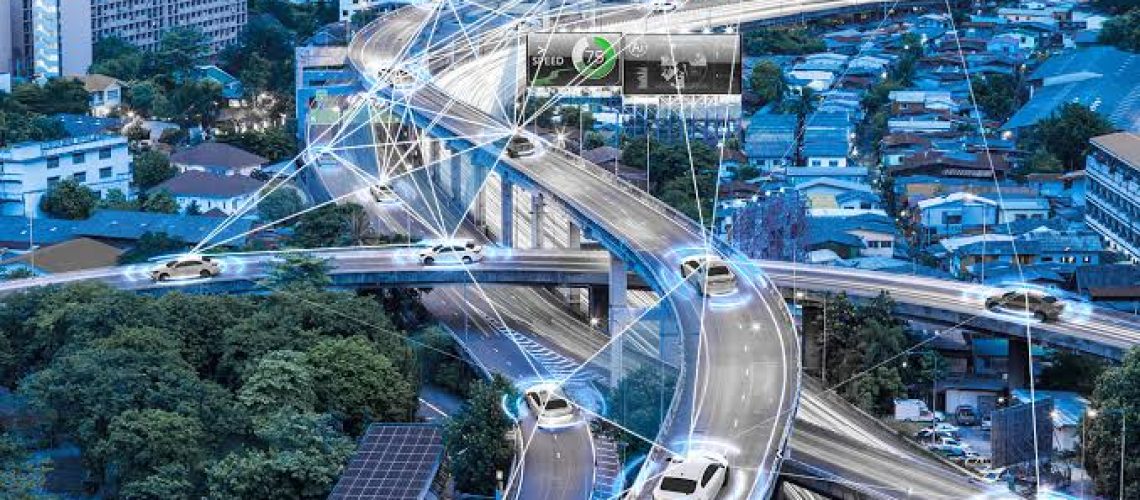
Smart transportation is no longer a concept reserved for futuristic cities.
As digital technologies become more affordable and internet connectivity improves, African cities are beginning to embrace intelligent transportation systems. From digital payment platforms and ride-hailing services to electric vehicles and AI-powered traffic management, the future of transportation promises to make daily travel faster, safer, and more efficient.
What Is Smart Transportation?
Smart transportation refers to the use of modern technologies to improve the movement of people, vehicles, and goods. It combines digital tools, data analytics, automation, artificial intelligence (AI), the Internet of Things (IoT), and communication networks to create transportation systems that respond intelligently to changing conditions.
Rather than relying solely on physical infrastructure, smart transportation uses real-time information to optimize routes, reduce delays, improve safety, and lower operating costs.
Examples include:
- Intelligent traffic lights that adjust automatically
- GPS-based navigation systems
- Ride-sharing and carpooling platforms
- Contactless fare payment
- Smart parking systems
- Electric and autonomous vehicles
- Fleet management software
- Real-time public transport tracking
Why Smart Transportation Matters
Transportation affects nearly every aspect of everyday life. It influences business productivity, healthcare access, education, tourism, agriculture, and trade.
However, many African cities face common transportation problems such as:
- Heavy traffic congestion
- Poor road infrastructure
- Limited public transportation
- High transportation costs
- Road accidents
- Air pollution
- Inefficient logistics
Smart transportation technologies can address many of these issues while supporting sustainable urban growth.
The Rise of Intelligent Traffic Management
One of the biggest innovations is smart traffic management.
Traditional traffic lights operate on fixed schedules regardless of traffic volume. Smart traffic systems use sensors, cameras, and AI to monitor traffic flow in real time.
The system can:
- Reduce unnecessary waiting times
- Prioritize emergency vehicles
- Detect accidents quickly
- Redirect traffic around congested areas
- Improve pedestrian safety
As African cities continue to grow, intelligent traffic control could significantly reduce time lost in traffic.
Connected Vehicles
Modern vehicles are becoming increasingly connected.
Connected vehicles communicate with:
- Other vehicles
- Traffic infrastructure
- Navigation systems
- Cloud services
- Emergency response centers
This technology helps drivers receive:
- Live traffic updates
- Hazard warnings
- Weather alerts
- Road closure information
- Route optimization
Over time, connected transportation networks could dramatically reduce accidents and improve travel efficiency.
Electric Vehicles Are Expanding
Electric vehicles (EVs) are becoming more common worldwide.
Unlike traditional vehicles powered by petrol or diesel, EVs run on rechargeable batteries, producing fewer emissions and reducing dependence on fossil fuels.
Benefits include:
- Lower fuel costs
- Reduced air pollution
- Less engine maintenance
- Quieter roads
- Lower greenhouse gas emissions
Several African countries are beginning to invest in charging infrastructure and electric public transportation.
As renewable energy grows across the continent, electric mobility could become more affordable.
The Growth of Smart Public Transport
Public transportation remains essential for millions of Africans.
Future systems will become more intelligent through:
Real-Time Bus Tracking
Passengers can view bus locations on mobile apps and know exactly when vehicles will arrive.
This reduces waiting times and improves planning.
Digital Ticketing
Cashless payment systems allow commuters to pay using:
- Mobile money
- Contactless cards
- QR codes
- Smartphone applications
Digital payments reduce delays and improve transparency.
Route Optimization
Transit authorities can analyze passenger data to redesign routes based on demand.
This leads to:
- Better coverage
- Reduced operating costs
- Shorter travel times
- Improved customer satisfaction
Artificial Intelligence in Transportation
Artificial intelligence is becoming the brain behind modern transportation.
AI helps by:
- Predicting traffic congestion
- Optimizing delivery routes
- Managing traffic signals
- Detecting dangerous driving
- Forecasting maintenance needs
- Improving public transport schedules
For logistics companies, AI also reduces fuel consumption while increasing delivery efficiency.
Smart Logistics and Delivery
E-commerce continues to grow rapidly across Africa.
As online shopping expands, logistics companies need smarter delivery systems.
Future logistics will rely on:
- GPS tracking
- Automated warehouses
- Route optimization software
- AI demand forecasting
- Delivery scheduling
- Digital proof of delivery
These technologies improve customer experience while lowering operational costs.
Drones for Delivery
Drone delivery is gradually moving from experimentation to real-world use.
Drones can transport:
- Medical supplies
- Vaccines
- Emergency medicines
- Laboratory samples
- Small commercial packages
In remote communities where roads may be difficult to access, drones can significantly improve healthcare delivery and emergency response.
Smart Parking Systems
Finding parking wastes both time and fuel.
Smart parking systems use sensors to identify available parking spaces.
Drivers can:
- Locate empty spaces
- Reserve parking
- Pay digitally
- Receive navigation assistance
This reduces congestion caused by drivers searching for parking.
Autonomous Vehicles
Self-driving vehicles remain under development in many parts of the world.
These vehicles rely on:
- Cameras
- Radar
- Artificial intelligence
- GPS
- Sensors
Although widespread adoption may take time in Africa, autonomous technologies could eventually support:
- Public transportation
- Freight transport
- Mining operations
- Agriculture
- Industrial logistics
Human oversight will remain essential as regulations and infrastructure evolve.
Mobile Technology Is Driving Change
Smartphones have transformed transportation.
Today, people use mobile apps to:
- Book rides
- Pay transport fares
- Track deliveries
- Find routes
- Monitor traffic
- Compare transport options
As smartphone adoption continues to increase, mobile technology will become even more integrated into transportation services.
The Internet of Things (IoT)
IoT connects physical devices to the internet.
In transportation, IoT devices include:
- Vehicle sensors
- Traffic cameras
- Smart traffic lights
- Fleet monitoring devices
- Road condition sensors
These devices continuously collect data that helps transportation agencies make better decisions.
Sustainability and Green Mobility
Future transportation must balance economic growth with environmental responsibility.
Smart transportation supports sustainability through:
- Electric vehicles
- Renewable energy integration
- Bike-sharing systems
- Improved public transport
- Reduced traffic congestion
- Lower fuel consumption
These measures contribute to cleaner cities and healthier communities.
Opportunities for Africa
Africa has an opportunity to build transportation systems designed for today’s technologies rather than relying solely on outdated infrastructure.
Key opportunities include:
Digital Payment Integration
Mobile money already has widespread adoption across many African countries. Integrating digital payments into transportation can simplify fare collection and reduce cash handling.
Smart Cities
Many African cities are investing in smart city initiatives that combine transportation with digital infrastructure, energy management, and public services.
Growing Startup Ecosystem
African technology startups are developing innovative solutions in:
- Ride-hailing
- Delivery services
- Fleet management
- Vehicle financing
- Electric mobility
- Traffic analytics
These businesses are creating jobs while improving transportation services.
Regional Trade
As trade expands under the African Continental Free Trade Area (AfCFTA), efficient transportation networks will become increasingly important for moving goods across borders.
Smart logistics systems can reduce delays and strengthen regional supply chains.
Challenges Ahead
Despite promising developments, several challenges remain.
These include:
- Limited digital infrastructure
- Poor road conditions
- High implementation costs
- Cybersecurity risks
- Regulatory gaps
- Limited charging infrastructure for electric vehicles
- Inconsistent internet connectivity
- Skills shortages
Governments, private investors, and technology companies must work together to overcome these obstacles.
Preparing for the Future
Individuals and businesses can prepare by:
- Embracing digital transportation services
- Learning new technology skills
- Supporting sustainable mobility
- Investing in fleet management technologies
- Using navigation and logistics software
- Exploring electric mobility where practical
Organizations that adapt early are likely to remain more competitive.
Conclusion
The future of smart transportation extends beyond faster travel. It focuses on creating transportation systems that are safer, cleaner, more connected, and more efficient. Technologies such as artificial intelligence, electric vehicles, connected infrastructure, smart logistics, and digital payments are already reshaping mobility across the globe.
For Africa, smart transportation offers an opportunity to address long-standing mobility challenges while supporting economic growth, improving public services, and reducing environmental impact. As governments, businesses, and innovators continue to invest in modern transportation solutions, cities and communities across the continent can look forward to a more connected and sustainable future.
By embracing innovation today, Africa can build transportation systems that meet the demands of tomorrow and improve the quality of life for millions of people.
