

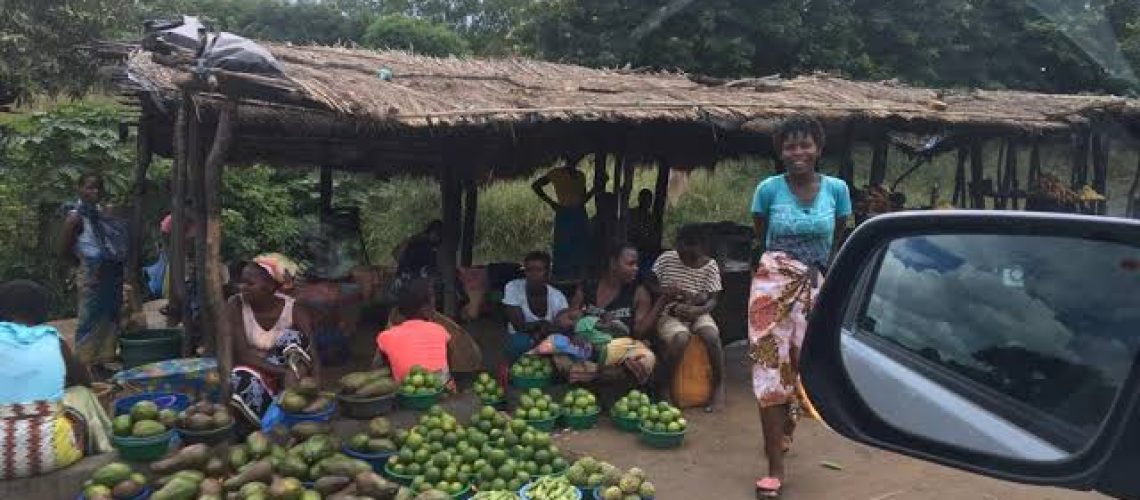
Across Africa, local markets are more than places where people buy and sell goods.
They serve as economic lifelines, cultural gathering points, and engines of rural development. Every market day brings together farmers, artisans, traders, transporters, and consumers, creating opportunities that sustain millions of households.
Although supermarkets and online shopping continue to grow in many cities, local markets remain the backbone of rural economies. They connect producers directly with buyers, encourage local entrepreneurship, and help communities become more self-reliant. As African nations seek inclusive economic growth, strengthening rural markets has become increasingly important.
This article explores how local markets support rural communities, the challenges they face, and why investing in them benefits everyone.
Why Local Markets Matter
Rural markets create a direct connection between producers and consumers. Farmers harvest crops, fishermen bring in fresh catches, and artisans display handmade products, all in one central location.
Unlike long supply chains that involve multiple middlemen, local markets often allow producers to sell directly to customers. As a result, they earn better profits while consumers enjoy fresher products at competitive prices.
Moreover, these markets keep money circulating within local communities. When residents purchase locally grown food or locally made products, they support neighboring families instead of sending income outside the region.
Creating Employment Opportunities
One of the greatest contributions of local markets is job creation.
Every market supports numerous occupations, including:
- Farmers
- Food vendors
- Livestock traders
- Tailors
- Carpenters
- Transport operators
- Basket weavers
- Mechanics
- Market porters
- Food processors
Additionally, many young people find seasonal or full-time work during market days by assisting traders with transportation, packaging, loading, cleaning, and customer service.
Consequently, markets reduce unemployment while stimulating local entrepreneurship.
Supporting Smallholder Farmers
Smallholder farmers produce a significant portion of Africa’s food. However, they often struggle to access larger commercial buyers.
Local markets provide an accessible platform where farmers can sell:
- Fresh vegetables
- Fruits
- Grains
- Beans
- Cassava
- Yams
- Rice
- Maize
- Eggs
- Honey
- Poultry
- Dairy products
Instead of waiting weeks for payments from wholesalers, many farmers receive immediate cash, allowing them to purchase seeds, fertilizers, tools, and household necessities.
Furthermore, regular market participation helps farmers understand customer preferences, seasonal demand, and pricing trends.
Improving Food Security
Food security depends not only on food production but also on food accessibility. Local markets ensure that nearby communities have consistent access to fresh and affordable food.
During harvest seasons, farmers can quickly distribute surplus produce before spoilage occurs. Meanwhile, consumers benefit from lower prices because transportation costs remain relatively low.
In many rural communities, weekly markets become essential food distribution centers that reduce waste while improving nutrition.
Encouraging Local Entrepreneurship
Markets serve as business incubators. Many successful African entrepreneurs began with small stalls selling vegetables, clothing, household goods, or handmade crafts. Because startup costs are relatively affordable, markets provide opportunities for individuals who may lack access to formal employment.
Women, in particular, benefit from market trading by generating independent income that supports education, healthcare, and family welfare.
Over time, successful traders often expand into permanent shops, wholesale businesses, or manufacturing enterprises.
Preserving Traditional Crafts
Local markets help preserve cultural heritage by providing spaces where artisans showcase traditional craftsmanship.
Visitors often find:
- Handwoven baskets
- Pottery
- Leather goods
- Wood carvings
- Beadwork
- Traditional fabrics
- Handmade jewelry
- Musical instruments
These products reflect generations of knowledge passed from one family to another.
As demand for authentic handmade goods grows, artisans gain stronger financial incentives to continue practicing traditional skills.
Strengthening Community Relationships
Markets are social spaces as much as commercial ones. People gather to exchange news, celebrate milestones, discuss community issues, and strengthen social bonds.
Elders share wisdom, young entrepreneurs network with customers, and neighbors reconnect during weekly market gatherings.
This social interaction helps build trust, cooperation, and a strong sense of community identity.
Empowering Women Economically
Women play a central role in many African local markets.
They dominate sectors such as:
- Food processing
- Fresh produce sales
- Cooked food businesses
- Textile trading
- Household supplies
- Agricultural marketing
Income earned through market activities often pays for children’s education, healthcare, housing improvements, and daily living expenses.
Moreover, financial independence enables women to participate more actively in community decision-making and economic development.
Supporting Local Transportation
Market activities also stimulate transportation services.
Transport providers move:
- Farm produce
- Livestock
- Building materials
- Consumer goods
- Agricultural equipment
Motorcycles, bicycles, pickup trucks, buses, and boats all benefit from increased demand during market days.
Consequently, transport businesses become important contributors to rural economic growth.
Reducing Rural Poverty
Healthy local markets create multiple income streams throughout rural communities.
Instead of relying solely on farming, households diversify their earnings through:
- Trading
- Food processing
- Transportation
- Storage services
- Packaging
- Equipment repair
- Hospitality services
This diversification makes families more resilient during poor harvest seasons or economic downturns.
Encouraging Agricultural Innovation
As farmers interact with customers and fellow producers, they gain valuable market insights. They learn which crops sell faster, what quality standards buyers expect, and which farming methods improve productivity.
Additionally, agricultural extension officers often use market days to educate farmers about:
- Improved seed varieties
- Pest control
- Irrigation
- Soil management
- Climate-smart agriculture
Knowledge sharing ultimately increases productivity and farm profitability.
Supporting Rural Tourism
Many travelers enjoy exploring traditional African markets because they offer authentic cultural experiences.
Visitors can:
- Taste local foods
- Watch artisans at work
- Purchase handmade souvenirs
- Experience traditional music
- Learn regional customs
This growing interest in cultural tourism creates additional income opportunities for local businesses and guides.
Challenges Facing Rural Markets
Despite their importance, rural markets face several obstacles.
Poor Infrastructure
Many markets lack:
- Proper roads
- Drainage systems
- Electricity
- Clean water
- Storage facilities
- Waste management
Poor infrastructure increases business costs and limits market efficiency.
Limited Access to Finance
Many traders struggle to obtain affordable loans for expanding their businesses or purchasing inventory. Without adequate financing, business growth remains slow.
Post-Harvest Losses
Limited cold storage and inadequate preservation facilities cause significant food losses, especially for fruits, vegetables, fish, and dairy products.
Reducing post-harvest waste would increase both farmer incomes and food availability.
Climate Change
Unpredictable rainfall, droughts, floods, and extreme weather affect agricultural production, reducing the volume of goods reaching local markets. Communities increasingly need climate-resilient farming practices to sustain market activity.
How Technology Is Transforming Local Markets
Digital innovation is gradually improving rural commerce.
Many traders now use:
- Mobile money payments
- Digital banking services
- Social media marketing
- Mobile price information
- Online customer communication
These technologies reduce transaction risks, expand customer reach, and improve financial inclusion.
As internet access improves across rural Africa, technology will likely play an even greater role in strengthening local markets.
How Governments and Communities Can Help
Supporting rural markets requires coordinated efforts.
Effective strategies include:
- Improving rural roads
- Building modern market facilities
- Expanding electricity access
- Providing affordable business loans
- Investing in cold storage facilities
- Supporting agricultural extension services
- Promoting digital payment systems
- Encouraging local cooperatives
- Strengthening market regulations
- Investing in rural education and skills development
These investments improve productivity while creating long-term economic resilience.
The Future of Local Markets in Africa
Africa’s growing population and expanding urban centers will continue increasing demand for fresh food and locally produced goods.
If governments, private investors, and communities invest wisely, local markets can become even stronger drivers of inclusive economic growth.
Modern infrastructure, digital technology, improved logistics, and better financial services can transform traditional markets into thriving commercial hubs while preserving their unique cultural identity.
Conclusion
Local markets remain among the most powerful tools for supporting rural communities across Africa. They create jobs, strengthen food security, encourage entrepreneurship, preserve cultural heritage, and keep local economies thriving.
Although these markets face infrastructure, financing, and climate-related challenges, targeted investments can unlock enormous economic potential. By supporting local markets, communities do more than strengthen trade, they create opportunities, reduce poverty, and build a more sustainable future for generations to come.
Ultimately, every purchase made in a local market represents an investment in rural livelihoods, community resilience, and Africa’s long-term development.
