

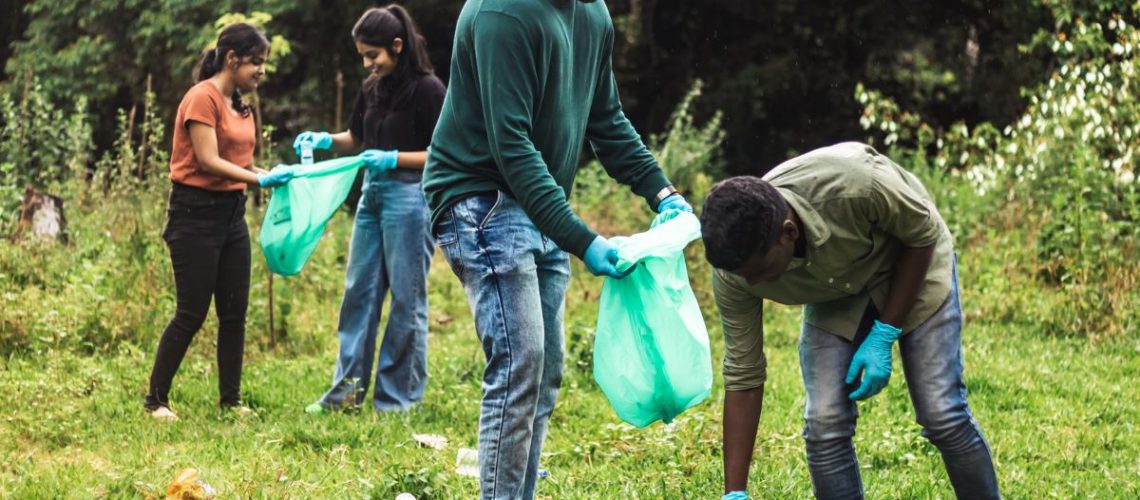
Sustainable Living Practices: Simple Choices That Create a Better Future
Sustainability is no longer just a global conversation, it has become a practical way of life. As populations grow, cities expand, and natural resources become increasingly strained, adopting sustainable living practices is one of the most effective ways individuals and communities can protect the environment while improving their quality of life.
Sustainable living means making conscious choices that reduce waste, conserve resources, and minimize environmental impact without sacrificing comfort or productivity. Whether it’s reducing plastic use, conserving energy, growing food, or supporting local businesses, every small action contributes to a healthier planet.
Across Africa, sustainable living is especially important. Rapid urbanization, climate change, deforestation, water scarcity, and waste management challenges make environmentally responsible lifestyles essential for long-term development. Fortunately, many traditional African practices already embody sustainability, offering valuable lessons for modern society.
What Is Sustainable Living?
Sustainable living is the practice of reducing one’s use of Earth’s natural resources by making environmentally responsible decisions in daily life. The goal is to meet today’s needs without compromising the ability of future generations to meet theirs.
It involves balancing three key areas:
- Environmental protection
- Economic responsibility
- Social well-being
Rather than requiring drastic lifestyle changes, sustainable living encourages consistent, practical habits that collectively produce significant long-term benefits.
Why Sustainable Living Matters
Protecting Natural Resources
Resources such as clean water, fertile soil, forests, and fossil fuels are limited. Conserving them helps ensure they remain available for future generations.
Reducing Pollution
Simple actions like recycling, composting, and minimizing plastic waste reduce pollution in rivers, oceans, and communities.
Fighting Climate Change
Lower energy consumption and reduced greenhouse gas emissions help slow global warming and lessen the effects of climate change.
Improving Public Health
Cleaner air, safer water, healthier foods, and greener communities contribute to better physical and mental health.
Saving Money
Many sustainable habits, such as reducing electricity usage, repairing items instead of replacing them, and minimizing food waste, also lower household expenses.
Sustainable Living Practices Everyone Can Adopt
1. Reduce Single-Use Plastics
Plastic pollution has become a major environmental challenge worldwide. Replacing disposable plastics with reusable alternatives significantly reduces waste.
Examples include:
- Reusable shopping bags
- Water bottles
- Food containers
- Metal or bamboo straws
- Cloth shopping sacks
2. Practice Responsible Waste Management
Instead of sending everything to landfills, households can separate waste into categories:
- Organic waste
- Recyclables
- Glass
- Metal
- Paper
- Electronic waste
Composting food scraps also creates nutrient-rich fertilizer for gardens.
3. Conserve Water
Water conservation is becoming increasingly important, especially in regions facing seasonal shortages.
Practical methods include:
- Fix leaking taps
- Harvest rainwater
- Use buckets instead of running hoses
- Install water-efficient fixtures
- Reuse greywater where appropriate
4. Save Energy
Reducing electricity use lowers both energy bills and carbon emissions.
Simple practices include:
- Switching off unused lights
- Using LED bulbs
- Unplugging idle electronics
- Maximizing natural lighting
- Choosing energy-efficient appliances
Solar energy is also becoming increasingly accessible across many African communities.
5. Buy Local Products
Supporting local farmers, artisans, and businesses reduces transportation emissions while strengthening local economies.
Local purchases often provide:
- Fresher food
- Lower transportation costs
- Reduced packaging
- Greater community resilience
6. Minimize Food Waste
Millions of tonnes of edible food are wasted every year.
Households can reduce waste by:
- Planning meals
- Buying only what is needed
- Properly storing food
- Using leftovers creatively
- Donating excess food
7. Grow Some of Your Own Food
Even small gardens can produce vegetables, herbs, and fruits.
Urban gardening options include:
- Backyard gardens
- Balcony containers
- Vertical gardens
- Community gardens
Home-grown produce reduces transportation emissions while improving food security.
Sustainable Transportation Choices
Transportation contributes significantly to carbon emissions.
More sustainable alternatives include:
- Walking
- Cycling
- Public transportation
- Carpooling
- Electric vehicles where available
For short trips, choosing to walk instead of driving can make a meaningful difference.
Sustainable Living at Home
Creating a greener home does not necessarily require major renovations.
Simple improvements include:
Use Natural Cleaning Products
Homemade cleaners made with vinegar, baking soda, and lemon reduce chemical pollution.
Improve Insulation
Proper insulation keeps homes cooler during hot weather and warmer during cooler seasons, reducing energy consumption.
Choose Durable Products
Buying quality items that last longer reduces waste and saves money over time.
Repair Instead of Replace
Fixing furniture, electronics, and clothing extends their lifespan while reducing landfill waste.
Sustainable Shopping Habits
Consumers influence environmental practices through purchasing decisions.
Responsible shopping includes:
- Buying only what is necessary
- Choosing reusable products
- Supporting ethical brands
- Purchasing second-hand goods
- Avoiding excessive packaging
Every purchase represents a vote for the kind of economy consumers want to support.
Sustainable Food Choices
Food production has a significant environmental footprint.
Healthier and more sustainable eating habits include:
- Eating seasonal produce
- Choosing locally grown foods
- Reducing unnecessary food waste
- Including more plant-based meals
- Supporting sustainable agriculture
Traditional African diets, rich in grains, legumes, vegetables, and locally sourced ingredients, often have a lower environmental impact than highly processed foods.
Africa’s Traditional Sustainability Practices
Long before sustainability became a global movement, many African communities practiced environmentally responsible living.
Examples include:
Community Farming
Shared farming systems encouraged efficient land use and strengthened food security.
Traditional Food Preservation
Drying, smoking, fermentation, and sun preservation reduced spoilage before refrigeration became common.
Reusing Household Items
Containers, baskets, fabrics, and tools were frequently repaired and reused rather than discarded.
Indigenous Knowledge
Many communities harvested natural resources responsibly while protecting forests, rivers, and wildlife for future generations.
These practices demonstrate that sustainability is deeply rooted in African cultural heritage.
Challenges to Sustainable Living
Despite growing awareness, several barriers remain.
Common challenges include:
- Limited recycling infrastructure
- Rapid urban growth
- Poverty and economic pressures
- Poor waste management systems
- Lack of environmental education
- High upfront costs for some eco-friendly technologies
Addressing these challenges requires cooperation between governments, businesses, communities, and individuals.
The Role of Businesses
Companies can promote sustainability by:
- Reducing packaging waste
- Using renewable energy
- Improving supply chain efficiency
- Recycling production materials
- Supporting local suppliers
- Investing in environmentally friendly technologies
Businesses that embrace sustainability often improve their reputation while reducing operational costs.
The Role of Governments
Governments support sustainable living through:
- Environmental regulations
- Public transportation investment
- Renewable energy incentives
- Waste management programs
- Climate adaptation strategies
- Environmental education campaigns
Strong public policies create an environment where sustainable choices become easier for citizens.
Small Daily Habits That Make a Big Difference
Sustainability is built on consistent actions rather than perfection.
Consider adopting habits such as:
- Carrying a reusable water bottle
- Turning off taps while brushing your teeth
- Walking short distances
- Recycling whenever possible
- Buying from local markets
- Planting trees
- Conserving electricity
- Sharing or donating unused items
- Repairing instead of replacing
- Teaching children environmentally responsible habits
Small actions, repeated daily by millions of people, create meaningful global impact.
Conclusion
Sustainable living is about making thoughtful choices that benefit both people and the planet. It does not require a complete lifestyle overhaul or expensive investments. Instead, it begins with simple, practical habits that conserve resources, reduce waste, and promote healthier communities.
For Africa, sustainable living offers opportunities to strengthen food security, protect natural ecosystems, preserve cultural traditions, and support economic development. By combining indigenous knowledge with modern innovation, individuals and communities can build a more resilient future.
Every reusable bag, every tree planted, every litre of water conserved, and every responsible purchase contributes to a healthier environment. Sustainability is not just an environmental responsibility, it is a pathway to a more prosperous, equitable, and resilient world for generations to come.
