

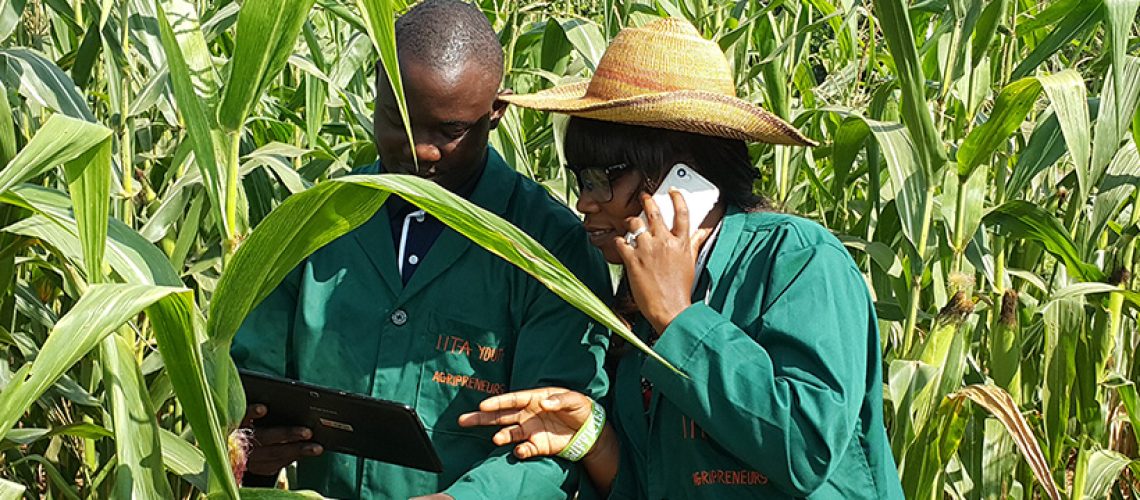
Agriculture remains one of Africa’s most important economic sectors, providing livelihoods for millions of people while supplying food to growing populations.
However, producing food is only part of the journey. Getting crops, livestock, and other agricultural products from farms to consumers efficiently remains one of the continent’s biggest challenges. Poor road infrastructure, inadequate storage facilities, fragmented supply chains, and limited market information often prevent farmers from earning fair prices while consumers pay more for food. Fortunately, technological advancements and innovative business models are transforming agricultural distribution across Africa.
From digital marketplaces and cold-chain logistics to drones and artificial intelligence, innovation is helping farmers reach larger markets, reduce losses, and build stronger agricultural economies.
Understanding Agricultural Distribution
Agricultural distribution refers to the movement of agricultural products from farms to processing centers, wholesalers, retailers, and ultimately consumers. It involves several critical stages, including:
- Harvest collection
- Storage
- Transportation
- Packaging
- Processing
- Wholesale distribution
- Retail delivery
A strong distribution system ensures that fresh produce reaches consumers quickly while maintaining quality and minimizing waste.
Why Efficient Agricultural Distribution Matters
Efficient distribution delivers benefits throughout the food value chain.
Reduces Food Waste
A significant percentage of agricultural products in Africa never reach consumers because of spoilage during transportation or poor storage conditions. Better distribution systems reduce these losses and improve food availability.
Increases Farmers’ Income
When farmers can access multiple buyers through efficient distribution networks, they gain better bargaining power and often receive fairer prices.
Improves Food Security
Reliable distribution ensures food reaches both urban and rural communities consistently, even during seasonal shortages.
Stabilizes Market Prices
Efficient logistics help balance supply across regions, reducing sudden price spikes caused by localized shortages.
Digital Marketplaces Connecting Farmers and Buyers
One of the biggest innovations in agricultural distribution is the rise of digital platforms that directly connect farmers with buyers.
These platforms allow farmers to:
- List available produce
- Compare market prices
- Receive purchase orders
- Arrange transportation
- Access digital payments
By reducing dependence on multiple middlemen, farmers often retain a larger share of their profits while buyers gain easier access to fresh produce.
Mobile Technology Revolutionizing Distribution
Smartphones have become powerful tools for agricultural logistics.
Farmers can now use mobile applications to:
- Receive weather updates
- Track deliveries
- Coordinate transport
- Monitor inventory
- Access real-time market prices
- Communicate with buyers instantly
Mobile money services also simplify payments, reducing delays and improving financial transparency.
Cold Chain Technology Reducing Post-Harvest Losses
Fresh fruits, vegetables, dairy products, fish, and meat require controlled temperatures throughout transportation.
Modern cold-chain innovations include:
- Solar-powered cold rooms
- Mobile refrigerated trucks
- Portable cooling units
- Smart temperature monitoring systems
These technologies significantly extend shelf life while reducing spoilage. For many African farmers, solar-powered cold storage has become particularly valuable in areas with unreliable electricity.
Smart Warehousing
Modern agricultural warehouses are becoming more intelligent.
Innovations include:
- Digital inventory management
- Automated stock monitoring
- Moisture sensors
- Temperature controls
- Pest detection systems
These technologies improve storage efficiency while reducing product losses.
GPS-Based Logistics
GPS technology has transformed agricultural transportation.
Logistics companies now use route optimization software to:
- Reduce delivery times
- Lower fuel costs
- Improve vehicle utilization
- Track shipments in real time
- Predict arrival times
This helps distributors deliver fresh produce more efficiently while lowering operating costs.
Artificial Intelligence in Supply Chain Management
Artificial intelligence (AI) is improving agricultural distribution by analyzing large amounts of data.
AI systems can help predict:
- Consumer demand
- Harvest volumes
- Transportation needs
- Seasonal shortages
- Price fluctuations
These insights help businesses make better inventory and distribution decisions.
Drone Technology Supporting Agriculture
Although drones are often associated with crop monitoring, they also contribute to agricultural distribution.
Drones can assist by:
- Mapping farms
- Surveying difficult terrain
- Monitoring transport routes
- Supporting emergency deliveries in remote communities
As drone technology becomes more affordable, its role in rural logistics continues to expand.
Blockchain for Supply Chain Transparency
Consumers increasingly want to know where their food comes from.
Blockchain technology creates secure digital records showing:
- Farm origin
- Harvest date
- Processing history
- Transportation records
- Storage conditions
This transparency builds trust while helping exporters meet international food safety requirements.
E-Commerce Expanding Agricultural Markets
Online food marketplaces have opened new opportunities for farmers. Restaurants, hotels, supermarkets, and households can now order produce directly through digital platforms.
This shortens supply chains and creates more predictable demand for farmers.
Renewable Energy Supporting Distribution
Energy challenges have traditionally affected agricultural logistics.
Renewable energy solutions now power:
- Cold storage facilities
- Irrigation systems
- Processing centers
- Rural warehouses
- Charging stations for electric delivery vehicles
Solar energy, in particular, has become a practical solution for remote farming communities.
Improved Rural Transportation
Several innovative transportation solutions are making distribution more efficient.
Examples include:
- Motorcycle delivery services
- Community transport cooperatives
- Electric cargo bikes
- Shared logistics platforms
- Small refrigerated vehicles
These options improve access to rural farms that large trucks cannot easily reach.
Warehouse Receipt Systems
Warehouse receipt systems allow farmers to safely store crops after harvest instead of selling immediately when prices are low. Stored products serve as collateral for short-term financing, allowing farmers to wait for better market prices.
This improves income stability while reducing seasonal market oversupply.
Data Analytics Supporting Better Decisions
Agricultural businesses increasingly rely on data to optimize distribution.
Data analytics helps organizations:
- Forecast demand
- Monitor inventory
- Reduce transportation costs
- Identify profitable markets
- Improve customer satisfaction
Better information leads to smarter decisions across the supply chain.
The Role of Agricultural Cooperatives
Farmer cooperatives continue to play a major role in improving agricultural distribution.
By working together, farmers can:
- Purchase transportation collectively
- Build storage facilities
- Negotiate better prices
- Access larger buyers
- Reduce distribution costs
Technology is making cooperatives even more efficient through digital record-keeping and communication.
Challenges That Still Need Attention
Despite significant progress, several challenges remain.
These include:
- Poor rural road infrastructure
- High transportation costs
- Limited cold-chain coverage
- Inconsistent electricity supply
- Limited access to financing
- Digital literacy gaps
- Weak rural internet connectivity
Addressing these issues requires continued investment from governments, private companies, development organizations, and local communities.
The Future of Agricultural Distribution in Africa
Agricultural distribution is becoming smarter, faster, and more connected. Future innovations are expected to include autonomous delivery systems, expanded use of artificial intelligence, electric logistics fleets, advanced robotics, and more integrated digital marketplaces.
As these technologies become more accessible, even smallholder farmers will benefit from stronger market connections and more efficient supply chains.
With continued investment in infrastructure, innovation, and digital transformation, Africa has the opportunity to build agricultural distribution systems that reduce waste, improve farmer incomes, strengthen food security, and support sustainable economic growth.
Conclusion
Innovation is transforming agricultural distribution across Africa by connecting farmers to markets more efficiently than ever before. Digital platforms, mobile technology, cold-chain logistics, renewable energy, artificial intelligence, blockchain, and smarter transportation systems are solving long-standing challenges that have limited agricultural growth.
While obstacles remain, the pace of innovation offers tremendous hope for the future. By embracing modern distribution technologies and strengthening collaboration among governments, businesses, farmers, and technology providers, Africa can create a more resilient agricultural supply chain that benefits producers, consumers, and entire economies.
