

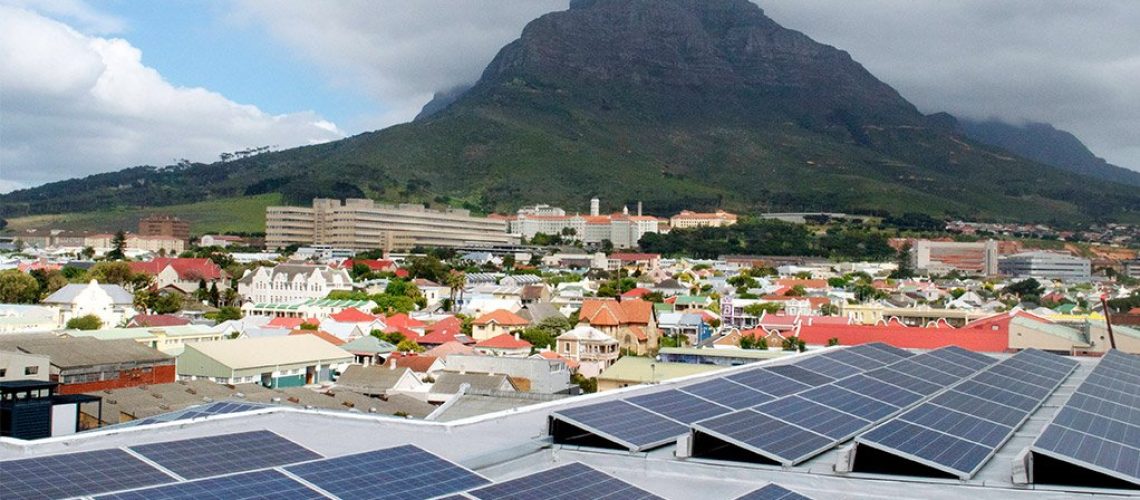
Renewable Energy in African Cities: Powering a Sustainable Urban Future
African cities are expanding at an unprecedented pace. As millions of people move into urban centers each year, the demand for electricity, transportation, housing, and public services continues to rise. While this growth presents enormous economic opportunities, it also places immense pressure on aging energy infrastructure and the environment.
Renewable energy offers a practical and sustainable solution. By harnessing abundant natural resources such as sunlight, wind, water, and organic waste, African cities can reduce dependence on fossil fuels, improve energy access, create jobs, and build resilient urban communities.
This article explores how renewable energy is transforming African cities, the technologies leading the transition, the challenges that remain, and the opportunities that lie ahead.
Why Renewable Energy Matters for African Cities
Many African cities experience frequent power outages, rising electricity costs, and limited access to reliable energy. Businesses often rely on diesel generators, which are expensive to operate and contribute significantly to air pollution.
Renewable energy helps address these issues by:
- Increasing access to reliable electricity
- Reducing greenhouse gas emissions
- Lowering long-term energy costs
- Improving air quality
- Supporting economic development
- Creating green jobs
- Enhancing energy independence
As urban populations continue to grow, clean energy will become increasingly important for sustainable development.
Africa’s Natural Renewable Energy Advantage
Africa possesses some of the world’s richest renewable energy resources.
Solar Energy
Much of the continent enjoys over 300 sunny days each year, making solar power one of Africa’s greatest assets. Rooftop solar panels, solar farms, and community mini-grids are becoming common in many cities.
Solar energy can power:
- Homes
- Schools
- Hospitals
- Street lighting
- Markets
- Office buildings
- Water pumping systems
Countries such as Morocco, Egypt, Kenya, South Africa, and Nigeria are investing heavily in solar infrastructure.
Wind Energy
Coastal regions and elevated landscapes provide excellent conditions for wind farms. Wind energy supplements national electricity grids and reduces dependence on fossil fuels.
Several African countries are already generating significant electricity from wind, demonstrating the technology’s growing importance.
Hydropower
Hydroelectric power remains one of Africa’s largest renewable energy sources. Rivers and dams generate electricity for millions of households while supporting industrial development.
Although hydropower is vulnerable to prolonged droughts caused by climate change, it remains a valuable component of Africa’s energy mix.
Biomass and Waste-to-Energy
African cities produce enormous amounts of organic waste every day. Instead of allowing this waste to accumulate in landfills, municipalities can convert it into electricity, cooking gas, and fertilizer through waste-to-energy technologies.
This approach simultaneously addresses waste management and energy generation.
Renewable Energy Projects Transforming African Cities
Across the continent, cities are embracing innovative clean energy solutions.
Solar Street Lighting
Many municipalities have installed solar-powered streetlights, improving public safety while reducing electricity bills. These systems continue operating even during grid failures.
Green Public Buildings
Schools, hospitals, and government offices increasingly use rooftop solar systems to reduce operating costs and ensure uninterrupted services.
Electric Public Transport
Several African cities are introducing electric buses and charging infrastructure to reduce fuel consumption and urban air pollution.
Solar-Powered Markets
Traditional markets require reliable electricity for refrigeration, lighting, and digital payments. Solar installations help traders reduce operating expenses while improving business productivity.
Smart Mini-Grids
In rapidly expanding urban neighborhoods, mini-grids powered by renewable energy provide electricity to communities that lack reliable grid connections.
Economic Benefits
Renewable energy creates value beyond electricity generation.
Job Creation
The clean energy sector creates employment opportunities in:
- Manufacturing
- Installation
- Engineering
- Maintenance
- Project management
- Research
- Sales
- Technical training
Young Africans, in particular, can benefit from expanding careers in green technology.
Lower Business Costs
Businesses that invest in solar systems often reduce spending on diesel fuel and generator maintenance. These savings improve profitability and competitiveness.
Attracting Investment
Cities that invest in renewable infrastructure become more attractive to investors seeking sustainable business environments.
Environmental Benefits
Renewable energy contributes significantly to environmental protection by:
- Reducing carbon emissions
- Improving urban air quality
- Lowering noise pollution from generators
- Conserving natural resources
- Supporting climate resilience
Cleaner cities also contribute to healthier communities and improved quality of life.
Challenges Facing Renewable Energy Adoption
Despite significant progress, several barriers remain.
High Initial Costs
Although renewable energy saves money over time, installation costs can be expensive for households and small businesses.
Infrastructure Limitations
Many electricity grids require modernization to efficiently integrate renewable power sources.
Policy and Regulation
Clear regulations, supportive government policies, and investor confidence are essential for accelerating renewable energy development.
Skills Gap
The growing industry requires more engineers, technicians, electricians, and renewable energy specialists.
Expanding technical education and vocational training will help meet future demand.
The Role of Technology
Digital innovation is making renewable energy more accessible.
Smart technologies now allow users to:
- Monitor electricity usage through mobile apps
- Manage battery storage efficiently
- Predict maintenance needs
- Optimize energy consumption
- Process mobile payments for electricity services
Artificial intelligence and data analytics are expected to further improve energy efficiency across African cities.
Community Participation
The transition to renewable energy is not solely the responsibility of governments and businesses. Communities also play a vital role.
Residents can contribute by:
- Installing rooftop solar panels
- Using energy-efficient appliances
- Supporting recycling initiatives
- Conserving electricity
- Participating in local clean energy projects
Public awareness campaigns encourage greater adoption of sustainable energy practices.
Looking Ahead
Africa’s urban future will depend on reliable, affordable, and sustainable energy systems. Renewable energy offers a pathway to cleaner cities, stronger economies, and improved living standards.
As technology becomes more affordable and governments continue investing in clean infrastructure, renewable energy is expected to become the foundation of urban development across the continent.
Cities that embrace this transition today will be better prepared for tomorrow’s challenges while providing healthier environments and greater opportunities for future generations.
Conclusion
Renewable energy is reshaping the future of African cities. From solar-powered homes and businesses to electric transportation and waste-to-energy facilities, clean energy solutions are helping urban centers become more resilient, efficient, and environmentally responsible.
Although challenges such as financing, infrastructure, and technical capacity remain, the continent’s abundant natural resources and growing commitment to sustainable development provide strong reasons for optimism.
By investing in renewable energy today, African cities can build a future where economic growth, environmental protection, and improved quality of life go hand in hand.
