

Customer-Centric Business Models: The Key to Long-Term Business Success
In today’s competitive marketplace, offering quality products or services alone is no longer enough to guarantee business success. Customers have more choices than ever before, and they are increasingly drawn to businesses that understand their needs, provide exceptional experiences, and consistently deliver value. This shift has led many successful organizations to adopt customer-centric business models.
A customer-centric business model places customers at the heart of every business decision. Rather than focusing solely on profits or products, these businesses prioritize understanding customer preferences, solving real problems, and building lasting relationships. Whether it’s a small neighborhood shop or a multinational corporation, businesses that consistently put customers first often enjoy stronger loyalty, higher revenue, and sustainable growth.
What Is a Customer-Centric Business Model?
A customer-centric business model is a strategy in which every aspect of a business, from product development and marketing to customer service and after-sales support, is designed around meeting customer needs and expectations.
Instead of asking, “How can we sell this product?” customer-centric businesses ask, “What problem does our customer need solved?” This subtle but powerful difference shapes how products are created, services are delivered, and relationships are maintained. Companies with this approach actively gather customer feedback, analyze buying behavior, and continuously improve their offerings based on customer experiences.
Why Customer-Centricity Matters
Customers today expect more than competitive prices. They value convenience, transparency, personalization, and responsive service.
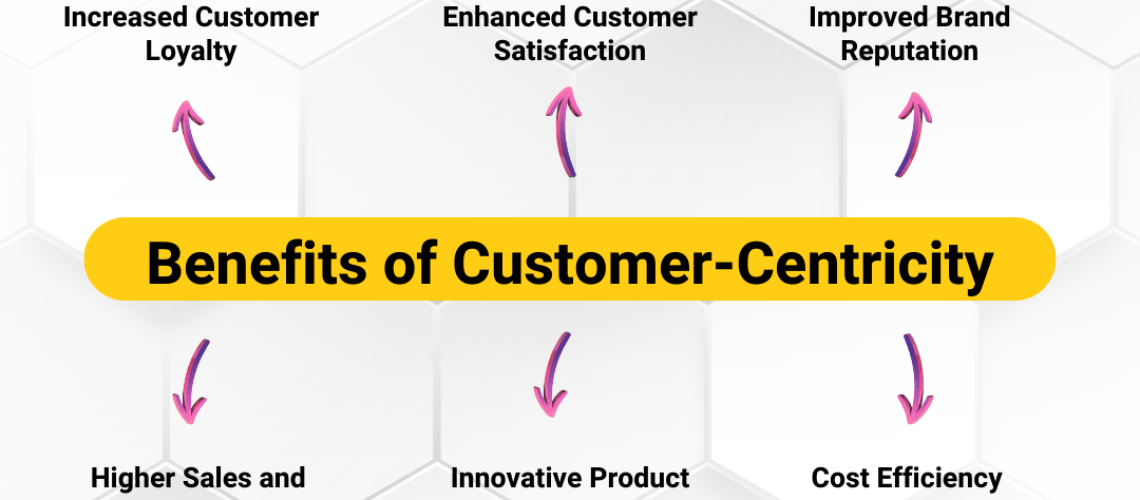
Businesses that understand these expectations benefit in several ways:
- Increased customer loyalty
- Higher customer satisfaction
- Stronger brand reputation
- More referrals through word-of-mouth marketing
- Improved customer retention
- Sustainable long-term profitability
Research consistently shows that retaining existing customers is generally more cost-effective than acquiring new ones. Satisfied customers are also more likely to recommend businesses to friends, family, and colleagues.
Core Principles of Customer-Centric Business Models
1. Understanding Customer Needs
Customer-centric businesses invest time in learning what customers truly want. This involves conducting surveys, reading reviews, monitoring social media conversations, and engaging directly with customers.
Understanding customer pain points enables businesses to develop products and services that genuinely solve problems.
2. Delivering Excellent Customer Service
Customer service is often the strongest reflection of a company’s values. Prompt responses, friendly communication, knowledgeable staff, and effective problem-solving create positive customer experiences that encourage repeat business.
Even when mistakes occur, excellent customer service can turn dissatisfied customers into loyal advocates.
3. Personalization
Modern customers appreciate personalized experiences. Businesses can personalize interactions by recommending relevant products, remembering customer preferences, offering customized promotions, and communicating based on previous purchases.
Personalization makes customers feel valued rather than treated as just another transaction.
4. Building Trust
Trust is the foundation of every successful customer relationship.
Businesses build trust by:
- Being transparent about pricing
- Delivering on promises
- Protecting customer information
- Maintaining consistent quality
- Addressing complaints honestly
Trust encourages repeat purchases and strengthens customer loyalty over time.
The Role of Technology
Technology has transformed customer-centric business models. Businesses now use Customer Relationship Management (CRM) systems, artificial intelligence, data analytics, chatbots, and mobile applications to better understand and serve customers.
For example, online retailers analyze browsing behavior to recommend products, while banks use mobile apps to provide convenient access to financial services.
Small businesses can also leverage affordable digital tools to improve customer communication through email marketing, WhatsApp Business, online booking systems, and automated support.
Customer-Centric Businesses in Africa
Across Africa, customer-focused businesses are driving innovation in sectors such as retail, logistics, agriculture, healthcare, and financial technology. Mobile payment solutions have simplified transactions for millions of people. Logistics companies increasingly provide real-time delivery updates to improve customer confidence. Online marketplaces offer multiple payment options, flexible delivery schedules, and responsive customer support to meet evolving consumer expectations.
Local businesses are also recognizing the value of listening to customer feedback. Restaurants adjust their menus based on customer preferences, while fashion entrepreneurs customize products to suit regional tastes and cultural trends.
These examples demonstrate that customer-centricity is not limited to large corporations. Businesses of all sizes can adopt customer-first strategies.
Common Challenges
While customer-centric business models offer significant advantages, implementing them is not always easy.
Some common challenges include:
Balancing customer expectations with business costs. Businesses must provide excellent service without compromising profitability.
Managing negative feedback. Customer complaints require prompt and professional responses rather than defensiveness.
Keeping up with changing preferences. Consumer expectations evolve rapidly, requiring businesses to remain flexible.
Training employees. Every employee should understand the importance of putting customers first, regardless of their role.
Successfully addressing these challenges requires strong leadership, continuous learning, and a commitment to improvement.
Practical Steps for Businesses
Organizations seeking to become more customer-centric can begin by taking several practical actions:
- Listen actively to customer feedback.
- Regularly evaluate customer satisfaction.
- Simplify purchasing and support processes.
- Empower employees to solve customer problems.
- Invest in staff training.
- Use technology to improve communication.
- Respond quickly to inquiries and complaints.
- Continuously improve products and services based on customer insights.
Small improvements made consistently can significantly enhance the overall customer experience.
The Future of Customer-Centric Business
As digital transformation continues across industries, customer expectations will become even higher. Businesses will increasingly rely on artificial intelligence, predictive analytics, and automation to anticipate customer needs while maintaining meaningful human interactions.
However, technology alone will not define customer-centricity. Genuine empathy, transparency, reliability, and consistent service will remain the qualities that distinguish successful businesses.
Companies that embrace customer-first thinking today will be better positioned to compete in tomorrow’s marketplace.
Conclusion
Customer-centric business models represent more than a business strategy, they reflect a commitment to creating value for customers at every stage of their journey. By understanding customer needs, delivering exceptional service, embracing innovation, and building trust, businesses can establish lasting relationships that drive sustainable growth.
Whether operating a local shop, an online business, or a growing enterprise, putting customers first creates a competitive advantage that extends beyond immediate sales. In an increasingly customer-driven economy, businesses that consistently prioritize their customers are more likely to earn loyalty, strengthen their reputation, and achieve long-term success.
