

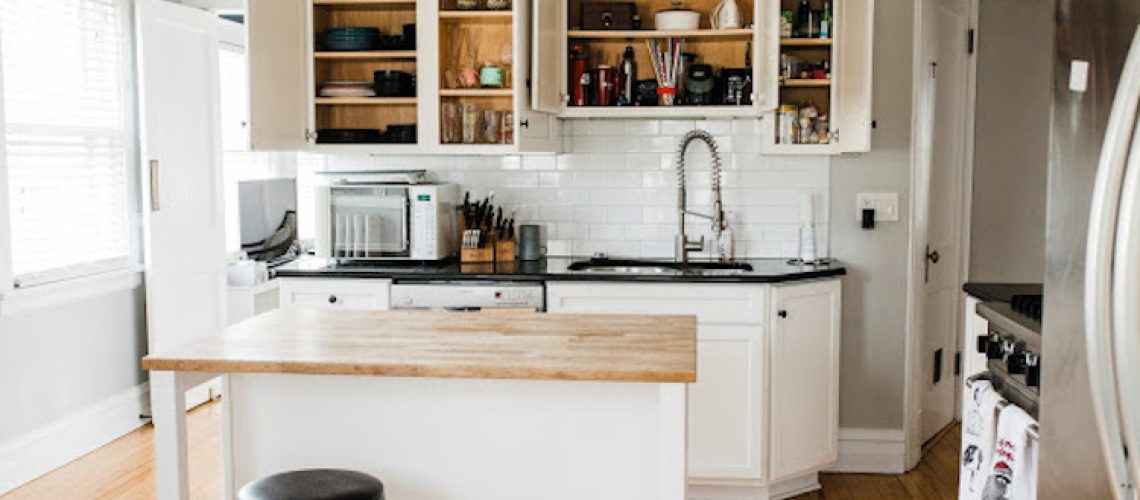
Simplifying Household Operations: Organization and Efficiency for Modern Living
Managing a household is much more than keeping a home clean. It involves coordinating daily activities, managing finances, planning meals, maintaining appliances, organizing schedules, and ensuring that every member of the household contributes to creating a comfortable living environment. As work demands, family responsibilities, and social commitments continue to increase, simplifying household operations has become essential for maintaining productivity and reducing stress.
Whether you live alone, share a home with roommates, or manage a large family, adopting organized systems and efficient routines can transform everyday living. Simplifying household operations saves time, reduces unnecessary expenses, and creates a healthier, more peaceful home.
Understanding Household Operations
Household operations refer to all the routine activities required to keep a home functioning efficiently. These include:
- Cleaning and maintenance
- Grocery shopping and meal preparation
- Laundry management
- Financial planning and budgeting
- Scheduling appointments and family activities
- Home repairs and maintenance
- Organizing personal belongings
Without proper systems, these responsibilities can quickly become overwhelming. However, with thoughtful planning and practical habits, they become easier to manage.
Start with Organization
Organization is the foundation of an efficient household. When everything has a designated place, daily tasks become simpler and faster.
Begin by decluttering each room. Remove items that are broken, outdated, or no longer needed. Donate usable items or recycle whenever possible. Less clutter means less cleaning, easier storage, and improved mental clarity.
Label storage containers, organize shelves, and group similar items together. Kitchen utensils, cleaning supplies, important documents, and household tools should all have designated storage spaces that are easy to access.
Maintaining this level of organization prevents wasted time searching for misplaced items.
Develop Consistent Daily Routines
One of the most effective ways to simplify household operations is by creating routines.
Instead of allowing chores to accumulate throughout the week, divide responsibilities into manageable daily tasks. For example:
- Make beds every morning.
- Wash dishes immediately after meals.
- Wipe kitchen counters after cooking.
- Spend 15–20 minutes tidying shared spaces each evening.
- Sort mail and paperwork daily.
Small, consistent actions prevent larger cleaning projects and reduce household stress.
Morning and evening routines also help every family member know what is expected, improving accountability.
Plan Meals in Advance
Meal planning is one of the biggest time-saving strategies for any household.
Planning meals for the week offers several benefits:
- Reduces unnecessary grocery purchases
- Minimizes food waste
- Saves cooking time
- Makes healthier eating easier
- Prevents last-minute meal decisions
Create a shopping list before visiting the market or supermarket and purchase only what is required.
In many African households, buying staple foods such as rice, beans, maize, yam flour, spices, and cooking oil in bulk can reduce overall expenses while ensuring essential ingredients remain available.
Preparing ingredients ahead of time also shortens daily cooking sessions.
Create a Household Schedule
Managing multiple responsibilities becomes much easier with a shared schedule.
Use either a physical wall calendar or digital calendar to track:
- Bill payment dates
- School events
- Medical appointments
- Religious activities
- Family celebrations
- Maintenance schedules
For larger households, assigning responsibilities to each member ensures that no single person carries the entire workload.
Children can assist with age-appropriate chores, while adults rotate larger responsibilities such as shopping, laundry, or deep cleaning.
Automate Repetitive Tasks
Technology offers numerous opportunities to simplify household management.
Many routine tasks can now be automated, including:
- Utility bill payments
- Savings contributions
- Grocery reminders
- Appointment notifications
- Household budgeting
Using mobile banking applications, reminder apps, and digital shopping lists helps reduce forgotten responsibilities and saves valuable time.
Simple automation reduces mental workload while improving consistency.
Keep Cleaning Simple
Many people postpone cleaning because they associate it with long, exhausting sessions.
Instead, divide cleaning into smaller daily tasks.
For example:
- Monday: Bedrooms
- Tuesday: Bathrooms
- Wednesday: Kitchen
- Thursday: Living room
- Friday: Laundry
- Saturday: Outdoor spaces
This approach keeps the home consistently clean without requiring an entire weekend of intensive work.
Having basic cleaning supplies readily available in different parts of the home also encourages quick cleaning whenever necessary.
Manage Household Finances Efficiently
Financial organization is equally important in household operations.
Create a monthly budget that includes:
- Rent or mortgage
- Food
- Utilities
- Transportation
- Education
- Healthcare
- Savings
- Emergency expenses
Track spending regularly to identify unnecessary purchases.
Many budgeting apps simplify expense tracking, while spreadsheets remain an excellent option for households that prefer manual record keeping.
Financial planning reduces stress and prepares households for unexpected situations.
Maintain Essential Home Systems
Ignoring minor maintenance issues often leads to expensive repairs later.
Create a maintenance checklist that includes:
- Checking plumbing for leaks
- Servicing electrical appliances
- Cleaning air conditioning units or fans
- Inspecting roofing before rainy seasons
- Testing smoke detectors where available
- Maintaining water storage systems
Regular maintenance extends the lifespan of household equipment while preventing emergencies.
Encourage Teamwork
A household operates best when responsibilities are shared. Family members should understand that maintaining the home is everyone’s responsibility rather than one person’s duty.
Establish clear expectations and encourage open communication. Weekly family meetings can be used to discuss upcoming activities, identify challenges, and redistribute responsibilities when necessary.
Working together strengthens relationships while making household management less stressful.
Minimize Decision Fatigue
People make hundreds of decisions each day. Simplifying routine choices conserves mental energy.
Examples include:
- Preparing weekly clothing selections.
- Rotating meal plans.
- Keeping frequently used items in consistent locations.
- Creating shopping templates.
- Standardizing cleaning routines.
Reducing repetitive decisions allows household members to focus on more important responsibilities.
Use Smart Storage Solutions
Efficient storage maximizes available space while reducing clutter.
Consider using:
- Stackable containers
- Under-bed storage boxes
- Wall-mounted shelves
- Drawer organizers
- Multi-purpose furniture
- Clear storage bins
Proper storage improves accessibility and keeps living spaces neat, especially in smaller homes or apartments.
Review Household Systems Regularly
Household needs change over time.
Growing families, new jobs, school schedules, or relocation may require adjustments to existing routines.
Every few months, evaluate household systems by asking:
- Which routines are working?
- Which tasks consume too much time?
- Can responsibilities be redistributed?
- Are there opportunities to automate additional tasks?
Continuous improvement keeps household operations efficient as circumstances evolve.
Conclusion
Simplifying household operations is not about achieving perfection, it is about creating practical systems that reduce stress, improve organization, and make everyday life more manageable. Through consistent routines, thoughtful planning, effective budgeting, shared responsibilities, and smart use of technology, households can operate more efficiently while creating a more comfortable and harmonious living environment.
Small improvements made consistently often produce the greatest long-term benefits. By embracing organization and efficiency, individuals and families can spend less time managing household tasks and more time enjoying meaningful moments together, pursuing personal goals, and building a balanced lifestyle.
