

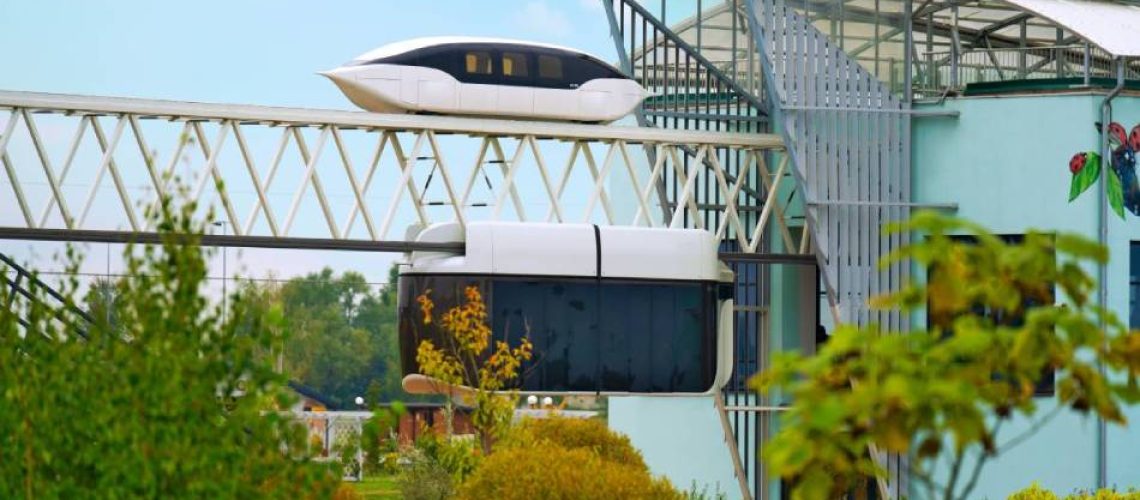
Public transportation is changing rapidly.
Across Africa, growing cities, rising populations, technological advances, and changing commuter expectations are creating new demands for how people move around. The traditional image of crowded buses, long queues, unpredictable schedules, and congested roads is gradually giving way to a more connected and technology-driven transportation system.
The future of public transportation will not simply be about moving more people. It will be about making movement faster, safer, more affordable, accessible, and environmentally sustainable.
Technology Will Make Transportation Smarter
Technology is already changing how commuters plan and complete their journeys. Mobile applications can help passengers identify routes, estimate arrival times, compare transportation options, and make digital payments.
As these systems become more sophisticated, commuters may increasingly be able to plan an entire journey through a single platform. A passenger could combine a bus, train, motorcycle, bicycle, or walking route while receiving real-time information about delays and changes.
For African cities, this could make daily commuting more predictable and reduce some of the uncertainty associated with urban transportation.
Electric Vehicles Will Become More Common
Electric buses, cars, motorcycles, and three-wheelers are expected to play a larger role in public transportation.
Electric mobility can reduce dependence on petrol and diesel while helping cities address air pollution. Electric buses could become particularly useful on busy urban routes where vehicles operate throughout the day.
However, the transition will require investment in charging infrastructure, reliable electricity supply, vehicle maintenance, and affordable financing. Governments and private transportation operators will need to work together to make electric mobility practical at scale.
Public Transportation Will Become More Connected
Future transportation systems will increasingly operate as connected networks rather than isolated services.
A commuter might use a train for one part of a journey, transfer to a bus, and complete the final distance using a shared bicycle or another local transport service. Digital platforms can help connect these different options.
This concept, sometimes described as integrated mobility, could make transportation more convenient by allowing people to choose the most suitable combination of services for each journey.
Digital Payments Will Reduce Friction
Cash remains important to transportation systems across many African cities, but digital payments are becoming increasingly popular.
Contactless cards, mobile money, QR codes, banking applications, and digital wallets can make fare collection faster and more convenient. They can also create useful transportation data that operators can analyse to understand passenger demand.
For commuters, the biggest advantage is convenience. Instead of searching for exact change or buying separate tickets for different services, passengers could eventually use one digital payment system across multiple transportation networks.
Data Will Help Cities Understand Commuters
Transportation generates enormous amounts of information. Data can reveal where passengers travel, when roads become congested, which routes are underserved, and where additional services are needed.
Cities can use this information to make better decisions about bus routes, traffic management, road infrastructure, and public transportation schedules.
For example, if passenger data consistently shows that thousands of people travel between two areas every morning, transportation planners can use that information when determining whether additional buses, dedicated lanes, or rail connections are necessary.
Dedicated Bus Lanes Could Become More Important
One of the simplest ways to improve public transportation is to give buses priority on congested roads.
Bus rapid transit systems and dedicated bus lanes allow public transport vehicles to move more efficiently, particularly during peak periods. They can transport large numbers of people without requiring every commuter to use a private vehicle.
African cities with rapidly growing populations may increasingly explore these systems as a relatively practical way to improve mobility without waiting for expensive rail networks to cover every neighbourhood.
Rail Networks Will Continue Expanding
Rail transportation is likely to remain an important part of the future of urban mobility.
Urban rail systems can move large numbers of passengers efficiently, making them particularly valuable in densely populated cities. Metro systems, light rail, commuter trains, and other rail solutions can also reduce pressure on heavily congested roads.
The challenge is cost. Building rail infrastructure requires significant investment, long-term planning, land, maintenance, and consistent government support.
Where rail expansion is financially realistic, however, it can become an important foundation for a city’s transportation network.
Safety Will Become a Bigger Priority
The future of transportation must also address passenger safety. Better vehicle maintenance, improved road design, driver training, digital monitoring, lighting, emergency communication systems, and stronger enforcement can all contribute to safer journeys.
Technology may also support safety through vehicle tracking, automated alerts, surveillance systems, and digital reporting platforms.
For passengers, innovation will only matter if they can travel with greater confidence.
Accessibility Will Shape Better Cities
Future transportation systems should work for everyone, including older people, children, people with disabilities, and passengers carrying luggage or goods.
Accessible buses, trains, stations, sidewalks, ramps, pedestrian crossings, and clear information systems can make public transportation easier to use.
Accessibility should not be treated as an optional feature. A transportation system designed around different abilities can create a better experience for the entire population.
Walking and Cycling Will Be Part of the Solution
Public transportation does not begin and end at a bus stop or train station.
Many commuters walk or cycle to reach transportation hubs, yet pedestrian and cycling infrastructure is often overlooked. Future urban planning will need to pay greater attention to sidewalks, crossings, cycling lanes, bicycle parking, and safer connections between neighbourhoods and transport stations.
Making short journeys easier without a car can help reduce congestion while improving everyday urban life.
Artificial Intelligence Could Improve Transport Planning
Artificial intelligence could become another important tool in transportation management.
AI systems can analyse traffic patterns, passenger demand, weather conditions, vehicle movements, and other information to help predict transportation needs.
This could allow operators to adjust services before problems become severe. For instance, additional buses could be deployed when data suggests that passenger demand will increase on a particular route.
AI could therefore support more responsive transportation systems, although human oversight and responsible use of passenger data will remain essential.
The Future Must Remain Affordable
Innovation should not make transportation accessible only to people who can afford premium services.
For many African households, transportation represents a significant part of everyday expenses. Any future system must therefore consider affordability alongside convenience and technological advancement.
Subsidies, efficient operations, competitive pricing, integrated payment systems, and better route planning could help keep public transportation accessible to a wider population.
What This Means for African Cities
Africa’s transportation future will not look exactly the same everywhere. Large cities may invest in rail and bus rapid transit, while smaller urban areas may rely more heavily on improved buses, shared mobility, electric motorcycles, and digital transportation platforms.
Local realities will matter. Population density, road conditions, electricity supply, income levels, geography, existing infrastructure, and government capacity will all influence which solutions work best.
The most successful cities will likely be those that combine different transportation options rather than depending on a single solution.
A More Connected Future
The future of public transportation is ultimately about creating cities where people can move without unnecessary difficulty.
Electric vehicles, digital payments, real-time information, artificial intelligence, rail networks, dedicated bus lanes, and integrated mobility platforms can all contribute to that goal. Yet technology alone will not solve transportation challenges.
Effective planning, reliable infrastructure, responsible governance, affordability, safety, and attention to the everyday experiences of commuters will be equally important.
As African cities continue to grow, public transportation will become an even more important part of urban life. The cities that prepare for that growth today will be better positioned to create transportation systems that are not only efficient, but also inclusive, sustainable, and built around the people who depend on them every day.
