

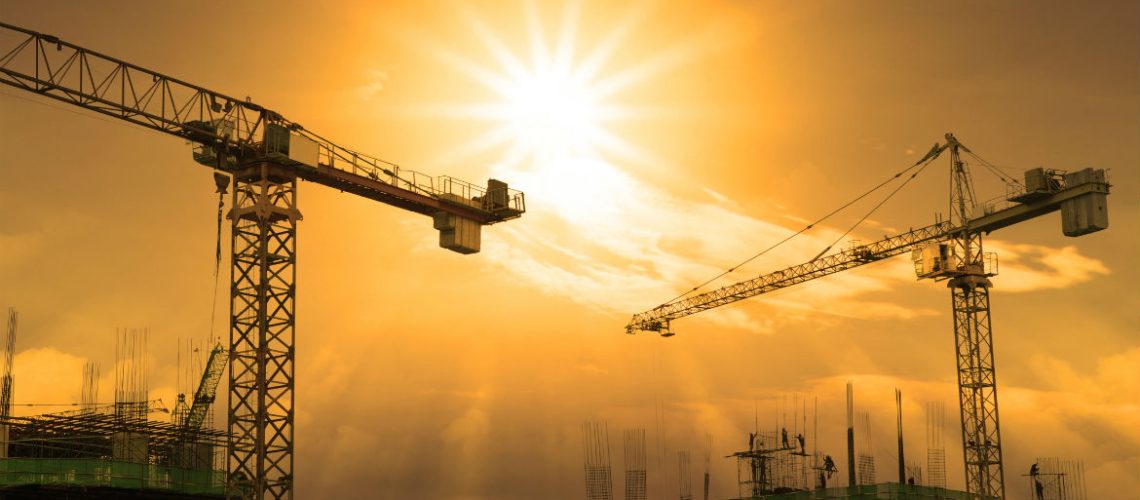
Africa is entering a period of major economic transformation.
Across the continent, governments, businesses, development institutions, and private investors are putting greater attention on infrastructure as a foundation for long-term growth.
From roads and railways to electricity networks, ports, digital systems, and housing, infrastructure investments are helping African economies improve connectivity, support businesses, create employment, and make everyday life more efficient.
As populations grow and cities expand, the need for reliable infrastructure becomes even more important. Well-planned investments can help countries unlock economic opportunities while addressing some of the challenges that have slowed development.
Why Infrastructure Matters to Economic Growth
Infrastructure provides the systems that allow economies to function. A farmer needs roads to move produce to market. A manufacturer needs dependable electricity and transportation networks. A retailer needs logistics systems to receive products. Workers and businesses increasingly depend on reliable internet access to communicate, learn, and operate.
When these systems work effectively, economic activity becomes easier and more affordable.
Better infrastructure can reduce transportation costs, shorten delivery times, improve access to markets, and encourage businesses to expand. It can also make previously underserved communities more attractive for investment.
For African countries seeking sustainable economic growth, infrastructure is therefore more than physical construction. It is an important part of creating an environment where people and businesses can thrive.
Transportation Networks Are Connecting Markets
Roads, railways, airports, and ports remain central to Africa’s economic development.
New and upgraded transport networks are improving connections between cities, industrial areas, agricultural communities, and commercial centres. Regional transportation projects can also strengthen trade between neighbouring countries.
Efficient transportation allows goods to move more quickly from producers to consumers. This is particularly important for agricultural products, manufactured goods, and other industries where delays can increase costs or cause losses.
Improved regional connectivity can also support the ambitions of the African Continental Free Trade Area by making it easier for businesses to access customers across national borders.
Energy Investments Are Supporting Businesses
Reliable electricity remains one of the most important infrastructure requirements for economic development.
Businesses that experience frequent power disruptions may have to rely on expensive alternatives, affecting their operating costs and competitiveness. Expanding electricity generation and improving transmission and distribution networks can help businesses operate more consistently.
Renewable energy is also becoming an increasingly important part of Africa’s infrastructure story. Solar, wind, hydropower, and other energy solutions are creating opportunities to expand access while supporting the continent’s transition toward cleaner energy systems.
For rural communities, decentralised energy solutions can provide electricity to areas that are difficult or expensive to connect to traditional grids.
Digital Infrastructure Is Creating New Opportunities
Infrastructure investment is no longer limited to roads, bridges, and power plants.
Digital infrastructure has become an important part of modern economic development. Mobile networks, broadband connections, data centres, fibre-optic systems, and digital payment infrastructure are changing how Africans work, communicate, shop, and access services.
Greater internet access can open opportunities for remote work, online education, digital entrepreneurship, e-commerce, financial technology, and creative industries.
Small businesses can also use digital platforms to reach customers beyond their immediate communities, giving entrepreneurs access to markets that would previously have been difficult to enter.
Ports and Logistics Are Strengthening Trade
Africa’s position in global trade makes efficient ports and logistics infrastructure particularly important.
Modern ports can improve the movement of imports and exports, while better roads, railways, warehouses, and distribution centres can connect ports with inland markets.
Efficient logistics can have a direct impact on the price and availability of goods. When transportation and storage systems improve, businesses can reduce delays and manage their supply chains more effectively.
This is especially significant for countries seeking to expand manufacturing and increase the value of goods produced locally.
Infrastructure Can Create Jobs
Large infrastructure projects often require thousands of workers during construction and generate additional employment after completion.
Engineers, architects, technicians, construction workers, drivers, suppliers, project managers, and other professionals can benefit from infrastructure development.
The longer-term economic impact can be even broader. A new road may support businesses along its route. A new power project can enable factories to operate. A new railway can create commercial activity around connected towns.
This means infrastructure can generate economic opportunities beyond the project itself.
Urban Infrastructure Is Becoming More Important
Africa is experiencing rapid urbanisation, creating growing demand for housing, public transportation, water systems, sanitation, waste management, and other urban services.
Cities that invest in these areas can become more productive and attractive places to live and work.
Public transportation, for example, can reduce travel difficulties and help workers reach employment centres more efficiently. Improved water and sanitation systems can contribute to healthier communities, while better waste management can improve urban environments.
The challenge is ensuring that urban infrastructure keeps pace with population growth.
Private Investment Is Playing a Larger Role
Governments remain major infrastructure investors, but private-sector participation is becoming increasingly important.
Public-private partnerships, infrastructure funds, development finance, and institutional investment can provide additional capital for major projects.
Private investors can also bring technical expertise, management experience, and innovative financing models.
However, successful infrastructure investment requires strong institutions, transparent regulations, reliable project planning, and clear agreements between public and private stakeholders.
Infrastructure Investment Must Be Sustainable
Building infrastructure is only part of the challenge. Projects also need to remain useful, affordable, and well maintained over time.
Poor planning can result in infrastructure that fails to meet community needs or becomes expensive to maintain. Environmental considerations are also becoming increasingly important as countries deal with climate change and extreme weather.
Sustainable infrastructure should therefore consider long-term economic, social, and environmental outcomes.
Projects should serve communities, support economic activity, withstand changing conditions, and provide value beyond their initial construction period.
What the Future Could Look Like
Africa’s infrastructure needs are significant, but so are the opportunities. Better roads can connect farmers with consumers. Modern ports can strengthen international trade. Reliable electricity can support industries. Digital networks can create new businesses. Efficient public transportation can make cities more productive.
The greatest impact may come when different infrastructure systems work together.
A railway connected to an industrial zone, for example, can have greater economic value than either project operating independently. Similarly, reliable electricity combined with digital connectivity can create an environment where technology-driven businesses can grow.
Building the Foundation for Africa’s Next Growth Phase
Infrastructure investment has the potential to reshape Africa’s economic landscape. It can improve connectivity, reduce business costs, create employment, expand access to essential services, and strengthen regional trade. Yet the success of these investments will depend on more than the amount of money committed. Effective planning, responsible financing, skilled workers, strong institutions, maintenance, and community involvement will all play important roles.
Africa’s next phase of growth will require infrastructure that does more than connect places. It must connect people to opportunities, businesses to markets, and communities to essential services.
When infrastructure investment is designed with these goals in mind, it can become one of the strongest foundations for inclusive and sustainable economic growth across the continent.
