

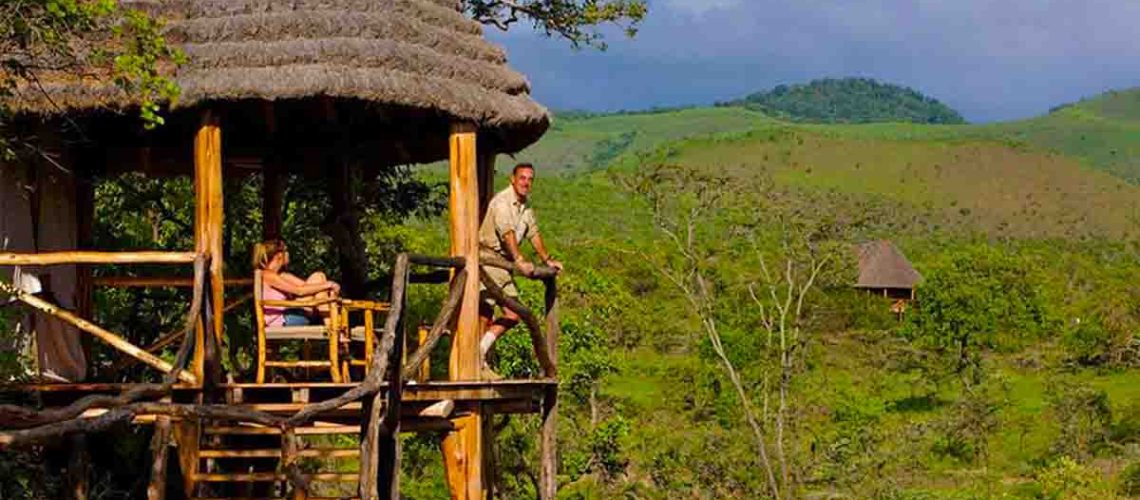
Emerging Eco-Tourism Destinations in Africa Worth Discovering
Africa is often associated with famous safari destinations, dramatic landscapes, and historic cities. Yet beyond the continent’s best-known attractions lies another side of African tourism that is steadily gaining attention: emerging eco-tourism destinations.
These destinations combine nature, conservation, local communities, and responsible travel. They offer visitors the opportunity to experience forests, wetlands, mountains, coastlines, wildlife, and cultural heritage while supporting efforts to protect these resources.
As travellers increasingly look for meaningful experiences rather than conventional sightseeing, emerging eco-tourism destinations across Africa are becoming more attractive.
What Makes a Destination Eco-Tourism Friendly?
Eco-tourism goes beyond visiting a beautiful natural location. It focuses on travelling in ways that minimise environmental damage while contributing to conservation and local livelihoods.
A strong eco-tourism destination may provide:
- Protected natural environments
- Community-owned or community-supported tourism
- Wildlife and habitat conservation
- Locally operated accommodation and tours
- Cultural experiences that respect local traditions
- Responsible waste and water management
- Opportunities for visitors to learn about conservation
This approach can create a stronger connection between tourism and sustainable development.
São Tomé and Príncipe
The island nation of São Tomé and Príncipe is an increasingly interesting destination for travellers searching for relatively untouched tropical environments.
Its volcanic landscapes, rainforests, beaches, and biodiversity make it particularly appealing to nature lovers. The islands are also known for endemic species and rich marine environments.
Visitors can explore rainforest trails, discover historic plantation sites, enjoy birdwatching, and experience coastal ecosystems.
Eco-tourism can play an important role here because protecting the islands’ natural environment is closely connected to preserving the resources on which local communities depend.
Nyungwe and Rwanda’s Forest Landscapes
Rwanda is already well known for mountain gorilla tourism, but its forest destinations offer much more than gorilla trekking.
Nyungwe National Park is particularly notable for its ancient rainforest, primates, birds, and hiking opportunities. The canopy walkway provides visitors with a different perspective of the forest while creating an opportunity to learn about its ecological importance.
The broader growth of nature-based tourism in Rwanda demonstrates how conservation can become part of a country’s tourism identity rather than simply an additional attraction.
The Omo Valley and Community Tourism in Ethiopia
Ethiopia’s tourism potential extends far beyond its historic churches and highland landscapes.
The Omo Valley offers visitors opportunities to experience remarkable cultural diversity alongside dramatic natural surroundings. Community-focused tourism can provide a way for travellers to learn about local traditions while ensuring that tourism revenue reaches communities.
However, responsible travel is particularly important in culturally sensitive destinations. Visitors should approach communities with respect, avoid treating people as attractions, and choose operators that prioritise ethical engagement.
Lake Malawi and Its Surrounding Communities
Lake Malawi is one of Africa’s most distinctive freshwater environments. Its clear waters, beaches, islands, and remarkable fish diversity make it attractive to travellers interested in nature and outdoor activities.
Beyond swimming and boating, the lake supports opportunities for kayaking, diving, hiking, birdwatching, and community-based tourism.
Responsible tourism can help create alternative sources of income for communities that depend heavily on fishing and other natural resources.
The Quirimbas Region of Mozambique
Mozambique’s northern coastline contains spectacular marine and coastal environments that are still less familiar to international travellers than some of Africa’s better-known beach destinations.
The Quirimbas region offers opportunities to experience coral reefs, islands, mangroves, beaches, and coastal communities.
Marine conservation is especially important in such areas. Tourism that supports reef protection, responsible fishing practices, and mangrove conservation can help protect ecosystems while creating economic opportunities.
Kidepo Valley in Uganda
Uganda is often associated with gorilla trekking in Bwindi, but Kidepo Valley National Park offers a very different experience.
Located in the country’s remote northeast, the park features rugged mountains, open savannah, valleys, and diverse wildlife. Its relative isolation contributes to its appeal for travellers seeking quieter safari experiences.
Local community involvement is particularly important in remote conservation areas. Tourism can create employment and business opportunities while giving communities a greater economic stake in protecting wildlife.
The Bijagós Archipelago of Guinea-Bissau
For travellers looking for an unusual coastal destination, the Bijagós Archipelago presents an intriguing option.
The islands contain mangrove forests, wetlands, beaches, and rich marine ecosystems. They are also home to communities with strong cultural connections to the natural environment.
The region demonstrates why eco-tourism needs to balance visitor access with environmental and cultural protection. Carefully managed tourism can generate income without overwhelming fragile island ecosystems.
The Taita Hills and Lesser-Known Kenyan Landscapes
Kenya’s tourism industry has traditionally focused heavily on destinations such as the Maasai Mara and Amboseli. However, other landscapes across the country are increasingly attracting travellers interested in quieter and more conservation-focused experiences.
The Taita Hills, for example, combine mountains, forests, wildlife, and distinctive local communities.
Exploring lesser-known destinations can help distribute tourism revenue beyond heavily visited parks while reducing pressure on the continent’s most popular attractions.
Why Emerging Eco-Tourism Matters
The growth of eco-tourism presents several opportunities for African countries.
Conservation
Tourism revenue can help fund protected areas, habitat restoration, wildlife monitoring, and environmental education.
When natural resources generate sustainable economic value, there can be stronger incentives to protect them.
Local Employment
Eco-tourism can create jobs in guiding, hospitality, transportation, food production, conservation, handicrafts, and cultural experiences.
Small businesses can also benefit when visitors purchase locally produced goods and services.
Diversifying Tourism
Many African destinations depend heavily on a small number of famous attractions. Emerging eco-tourism locations can broaden the tourism offering and encourage visitors to explore beyond established routes.
Supporting Rural Communities
Many natural attractions are located outside major cities. Tourism can therefore introduce new economic opportunities to rural areas where employment options may be limited.
The Importance of Responsible Travellers
Travellers also have a role to play in making eco-tourism successful. Choosing locally owned accommodation, hiring community-based guides, reducing plastic waste, respecting wildlife, avoiding unnecessary disturbance of natural habitats, and following local cultural guidelines can make a meaningful difference.
Travellers should also look beyond the label “eco-friendly.” A property or tour operator using the term does not automatically mean that its practices are sustainable.
It is worth asking where tourism revenue goes, how employees are treated, how waste is managed, and whether local communities genuinely participate in tourism decisions.
Africa’s Next Generation of Nature Destinations
The future of African tourism does not have to depend entirely on the continent’s most famous parks and landmarks. Emerging destinations offer an opportunity to develop a different model—one that places conservation, communities, culture, and visitor experiences closer together.
From island ecosystems and tropical forests to remote valleys, wetlands, mountains, and coastal communities, Africa has countless natural environments that remain relatively undiscovered by international travellers.
The challenge is to develop them carefully.
If tourism grows faster than conservation and infrastructure can support, fragile ecosystems may suffer. But when development is thoughtful, local communities are involved, and visitors behave responsibly, eco-tourism can become a powerful tool for protecting Africa’s natural heritage.
For travellers, this means the next unforgettable African adventure may not necessarily be found at the continent’s most famous destination. Sometimes, the most rewarding journey begins by exploring somewhere that is only just starting to appear on the map.
