

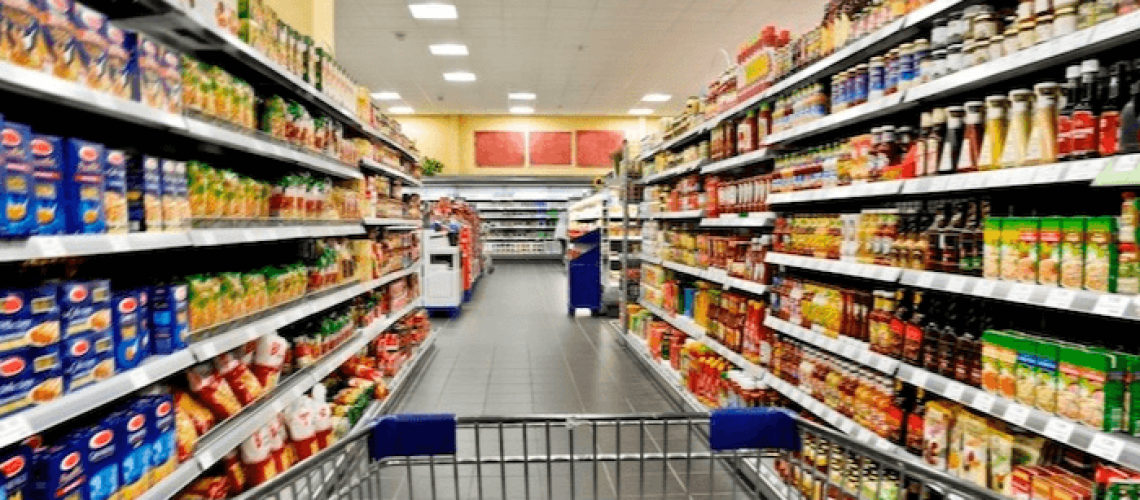
Retail Innovation and Consumer Experience: How African Businesses Are Changing the Way People Shop
Retail is changing rapidly across Africa. From neighborhood stores and open markets to supermarkets, shopping malls, and online platforms, businesses are finding new ways to attract customers and make shopping easier.
Today’s consumers are not only looking for products. They also care about convenience, speed, affordability, trust, customer service, and the overall experience of buying something. This shift has made retail innovation an important part of staying competitive.
For African retailers, innovation does not always mean introducing expensive technology. Sometimes, it means finding a smarter way to solve everyday problems.
What Is Retail Innovation?
Retail innovation refers to new or improved ways of selling products and serving customers. It can involve technology, payment systems, delivery methods, store design, customer service, product selection, or business processes.
A retailer may introduce online ordering, digital payments, loyalty programmes, self-service options, personalized recommendations, or faster delivery. Another business may improve its customer experience simply by organizing its store better or making prices easier to understand.
The goal is the same: make shopping more convenient, valuable, and enjoyable for the customer.
Technology Is Reshaping Shopping
Technology has become one of the biggest drivers of retail innovation in Africa.
Consumers can now discover products through social media, compare prices online, communicate with sellers through messaging platforms, and make payments without carrying cash. Small businesses can also use digital tools to manage inventory, communicate with customers, and promote their products.
Mobile technology is particularly important because smartphones have become an essential part of everyday commerce. A customer may see a product on social media, ask questions through a messaging app, complete payment digitally, and receive the product through a delivery service without ever visiting a physical shop.
This creates a shopping journey that is more connected than traditional retail.
The Rise of Omnichannel Retail
Consumers increasingly move between physical and digital shopping environments. Someone might discover a product online, visit a physical store to inspect it, and later complete the purchase through an online platform. Another customer might purchase online and choose to collect the item from a nearby location.
This is why many retailers are adopting an omnichannel approach.
Instead of treating physical stores, websites, social media pages, and delivery channels as separate businesses, retailers can connect them into one customer experience.
For African businesses, this approach can be especially useful because consumers have different levels of access to technology and different shopping habits.
Convenience Has Become a Competitive Advantage
Convenience is one of the most powerful forces influencing modern retail.
Customers have limited time. They want to find products quickly, understand prices easily, pay without unnecessary delays, and receive their purchases when promised.
This has created opportunities for retailers that can remove friction from the shopping process. Simple improvements can make a significant difference. Clear product information, organized shelves, reliable delivery, convenient payment options, responsive customer support, and easy returns can all improve the customer experience.
Retail innovation is therefore not always about doing something complicated. Sometimes it is about making ordinary things work better.
Personalization Makes Customers Feel Valued
Consumers increasingly expect businesses to understand their needs. Retailers can use customer information responsibly to recommend relevant products, offer targeted promotions, recognize returning customers, and provide more personalized communication.
For example, a retailer that understands a customer’s previous purchases can recommend complementary products rather than sending irrelevant advertisements.
Personalization can strengthen customer relationships because people are more likely to engage with businesses that understand their preferences. However, businesses must handle customer information responsibly. Trust can disappear quickly when customers feel that their privacy is being ignored.
Loyalty Is About More Than Discounts
Traditional loyalty programmes often focus on discounts and rewards. While these incentives remain useful, modern consumers can also value recognition and convenience.
A strong loyalty programme might offer early access to products, personalized recommendations, exclusive experiences, flexible rewards, or faster service.
For African retailers competing in crowded markets, loyalty can become an important way to turn occasional shoppers into repeat customers.
The most effective programmes are usually those that provide genuine value instead of simply encouraging customers to spend more.
Social Media Has Become Part of Retail
Social media is no longer only a marketing channel. It has become part of the shopping experience. Customers use platforms to discover products, read reviews, watch demonstrations, ask questions, and interact with brands.
For smaller African businesses, this creates an opportunity to compete without needing a large physical retail network.
A well-managed social media presence can function as a storefront, customer service desk, product catalogue, and communication channel at the same time. However, businesses must remember that consumers judge the brand by every interaction. Slow responses, unclear prices, poor product images, and unanswered complaints can damage trust.
Physical Stores Still Matter
Despite the growth of e-commerce, physical retail remains important. Many customers still want to see, touch, test, or compare products before purchasing them. Physical stores also provide opportunities for human interaction.
This has encouraged retailers to rethink the role of the traditional shop. Stores can become places where customers experience products rather than simply collect them. Better layouts, demonstrations, knowledgeable staff, comfortable environments, and faster checkout processes can transform an ordinary store into a memorable experience.
The future of retail is therefore unlikely to be completely physical or completely digital. Instead, the two are increasingly becoming connected.
African Retailers Have Unique Opportunities
Retail innovation in Africa must reflect local realities. Infrastructure challenges, differences in purchasing power, logistics limitations, informal markets, payment preferences, and varying levels of internet access all influence how people shop.
This means successful innovation cannot simply copy models developed in other parts of the world. African businesses can develop solutions around the specific needs of their customers. Flexible payment systems, community-based commerce, local delivery networks, mobile-first shopping experiences, and partnerships with neighborhood businesses are examples of approaches that can respond to local conditions.
The most valuable innovations are often those that solve problems customers already experience.
Customer Service Remains at the Heart of Retail
Technology may improve the shopping journey, but customer service remains fundamental. A customer who receives quick assistance, clear information, respectful treatment, and reliable support is more likely to trust a business.
This is particularly important when something goes wrong. A delayed delivery or unavailable product can be frustrating. However, transparent communication and a genuine effort to resolve the problem can prevent a negative experience from becoming a lost customer.
Retail innovation should therefore improve human interactions rather than eliminate them entirely.
The Future of Retail in Africa
The next phase of African retail will likely be shaped by a combination of technology, convenience, personalization, and stronger customer relationships.
Artificial intelligence, digital payments, social commerce, inventory technology, delivery platforms, and data-driven decision-making are likely to create new opportunities for retailers.
At the same time, businesses that understand local consumers will remain at an advantage.
The future will not necessarily belong to the retailer with the most technology. It will belong to businesses that use the right technology to solve real customer problems.
Conclusion
Retail innovation is ultimately about improving the relationship between businesses and consumers. A successful retailer asks how shopping can become easier, faster, more reliable, more affordable, and more rewarding. Sometimes the answer involves advanced technology. Other times, it may simply require better organization, stronger communication, or more thoughtful customer service.
Across Africa, retailers have an opportunity to build experiences that reflect the realities and aspirations of their customers.
As competition grows, products alone may no longer be enough to keep customers coming back. The quality of the experience surrounding the product can become the real difference between a one-time purchase and a lasting customer relationship.
