

Sustainable Development Goals in Practice: Turning Global Ambitions Into Local Action
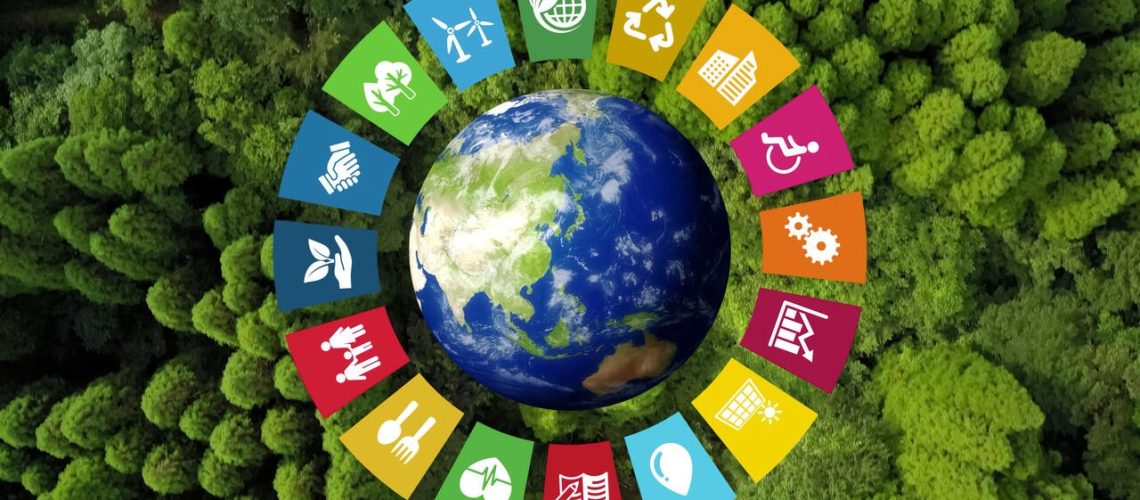
The Sustainable Development Goals (SDGs) were created as a global framework for building a better and more sustainable future. Adopted by United Nations member states in 2015, the 17 goals cover major challenges including poverty, hunger, education, healthcare, gender equality, decent work, climate action, sustainable cities, and environmental protection.
While the goals are global, their success depends heavily on what happens at the local level.
Across Africa, governments, businesses, communities, civil society organizations, and individuals are finding practical ways to turn the SDGs from broad commitments into everyday action. These efforts demonstrate that sustainable development is not only about international agreements. It is also about how people live, work, build communities, and use resources.
Understanding the SDGs Beyond the Numbers
The SDGs can sometimes seem distant from everyday life because they are presented through statistics, policy documents, and international conferences.
In reality, many of the goals relate directly to ordinary experiences.
A child receiving a quality education contributes to SDG 4, which focuses on quality education. A household gaining access to clean water supports SDG 6. A young entrepreneur creating sustainable employment contributes to SDG 8. A city improving public transportation and waste management is advancing SDG 11.
This makes sustainable development easier to understand: global goals become meaningful when they improve people’s daily lives.
Fighting Poverty Through Opportunity
SDG 1 focuses on ending poverty in all its forms.
In practice, reducing poverty requires more than financial assistance. People need opportunities to earn stable incomes, develop useful skills, access financial services, and build sustainable businesses.
Across African communities, entrepreneurship, vocational training, agricultural programmes, cooperative businesses, and financial inclusion initiatives can help people develop more reliable sources of income.
Small businesses are particularly important because they provide livelihoods for millions of people. Supporting these businesses through access to finance, training, infrastructure, markets, and digital tools can contribute to broader economic development.
Tackling Food Insecurity
SDG 2 aims to end hunger, achieve food security, improve nutrition, and promote sustainable agriculture.
Food security is closely connected to agricultural productivity, transportation, storage, pricing, and access to markets. Practical solutions can include improving irrigation, reducing post-harvest losses, supporting smallholder farmers, strengthening food storage systems, and connecting producers more efficiently with consumers.
Urban communities can also contribute through community gardens, household food production, food-sharing initiatives, and better management of food waste.
These approaches show that addressing hunger requires action throughout the entire food system.
Making Quality Education More Accessible
Education is central to long-term development.
SDG 4 calls for inclusive and equitable quality education and lifelong learning opportunities.
In many African communities, practical action includes expanding access to digital learning, improving school infrastructure, supporting teachers, providing learning materials, and developing vocational programmes.
Education also needs to respond to changing economic realities. Young people increasingly need digital skills, financial literacy, communication abilities, technical knowledge, and entrepreneurial skills alongside traditional academic qualifications.
Preparing people for both employment and entrepreneurship can make education more closely connected to economic opportunity.
Creating Better Opportunities for Women
Gender equality is at the centre of SDG 5.
Supporting women and girls requires action in education, employment, entrepreneurship, healthcare, leadership, and financial inclusion.
Businesses can contribute by creating fair employment practices and supporting women’s advancement into leadership positions. Financial institutions can expand access to suitable financial products. Communities can challenge practices that limit women’s economic and social participation.
When women have greater access to education, income, assets, and decision-making opportunities, the benefits can extend to households and communities.
Building Sustainable Cities
Africa is experiencing rapid urban growth, making SDG 11 particularly relevant.
Growing cities need housing, transportation, water systems, waste management, public spaces, energy infrastructure, and reliable services that can support expanding populations. Sustainable urban development does not simply mean constructing more buildings. It means designing cities around people’s needs.
Better public transportation can reduce congestion. Walkable neighborhoods can improve mobility. Efficient waste collection can improve sanitation. Green spaces can support healthier communities.
Smart urban planning can help cities grow without creating unnecessary environmental and social problems.
Making Businesses Part of the Solution
Businesses have an important role to play in achieving the SDGs.
Companies can reduce waste, improve energy efficiency, develop environmentally responsible products, create decent jobs, support local suppliers, and invest in their communities.
Sustainability can also become an opportunity for innovation.
Businesses that develop affordable clean-energy solutions, efficient logistics systems, sustainable packaging, recycling services, agricultural technologies, or environmentally friendly products can contribute to development while creating economic value.
The private sector does not have to choose between profitability and positive impact. Well-designed businesses can pursue both.
Climate Action Starts Locally
SDG 13 focuses on climate action.
Climate change affects agriculture, water availability, infrastructure, livelihoods, and public health. African communities can therefore benefit from practical climate adaptation and mitigation measures.
These may include planting trees, protecting wetlands, improving energy efficiency, investing in renewable energy, promoting climate-smart agriculture, and strengthening disaster preparedness.
Individual actions also matter. Reducing unnecessary consumption, reusing materials, limiting waste, and choosing more sustainable transportation options can contribute to broader environmental goals.
Partnerships Make Progress Possible
SDG 17 emphasizes partnerships for achieving the goals.
No single institution can solve complex development challenges alone. Governments provide policies and infrastructure. Businesses bring investment and innovation. Civil society organizations often work directly with communities. Educational institutions provide knowledge and skills. Individuals contribute through their choices and participation.
Collaboration allows these different strengths to work together. A community facing waste-management problems, for example, may need local government support, private-sector collection services, recycling businesses, community participation, and public education.
Measuring Progress Matters
Good intentions are not enough. Organizations and communities need to measure whether their actions are actually producing results.
A project designed to improve education should examine whether learning outcomes are improving. A food-security programme should consider whether households have better access to nutritious food. A waste-management initiative should track collection, recycling, and disposal rates.
Measurement helps organizations understand what works, identify weaknesses, and use resources more effectively.
What Individuals Can Do
Sustainable development is not only the responsibility of governments and large organizations.
Individuals can contribute through everyday decisions.
People can reduce food waste, conserve water and energy, support responsible businesses, participate in community initiatives, protect public spaces, learn new skills, and share useful information.
Young people can also contribute through entrepreneurship, technology, volunteering, research, creative projects, and social innovation.
Small actions may appear insignificant on their own, but collective participation can produce meaningful change.
The African Opportunity
Africa faces significant development challenges, but the continent also has enormous opportunities to build sustainable systems. Its young population, growing cities, expanding technology sector, natural resources, entrepreneurial communities, and emerging industries provide a strong foundation for innovation.
The challenge is ensuring that development is inclusive and sustainable.
Rather than viewing the SDGs simply as international targets, African countries and communities can use them as a framework for identifying local problems and developing practical solutions.
Conclusion
The Sustainable Development Goals become meaningful when they move beyond policy documents and into everyday life. Building a sustainable future requires better schools, healthier communities, stronger businesses, cleaner environments, inclusive economies, and cities that work for the people who live in them.
For Africa, the journey toward the SDGs is not simply about meeting international targets. It is about creating societies where people have opportunities to thrive while protecting the resources that future generations will depend on.
The goals may have been established at the global level, but their success will ultimately be determined by local action, practical solutions, and the willingness of people and institutions to work together.
