

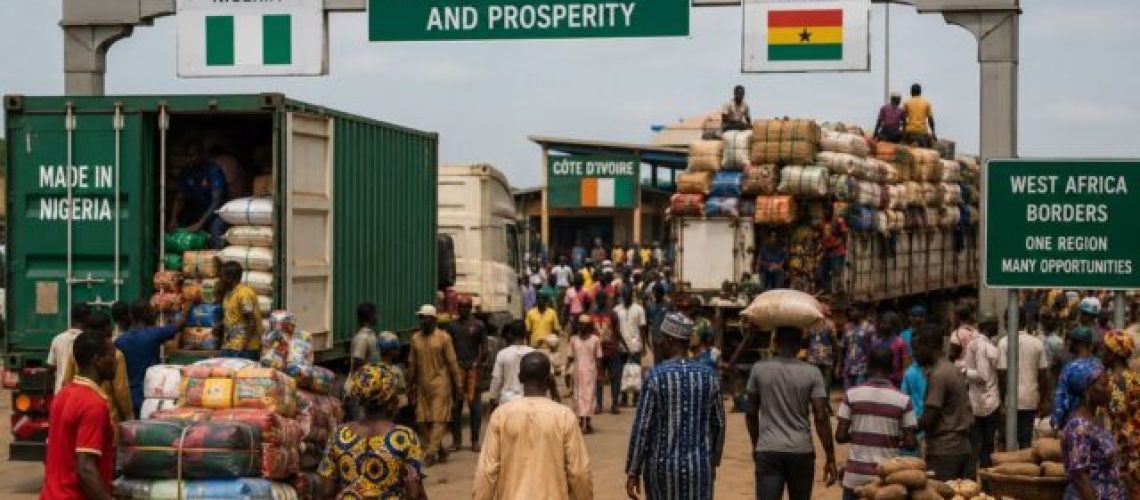
Africa’s tourism story is often told through individual countries, famous landmarks and well-known safari destinations.
Yet some of the continent’s most exciting opportunities lie beyond national borders. With 54 countries, diverse cultures and relatively close geographical connections between many destinations, Africa has enormous potential for cross-border tourism. Travellers can move between neighbouring countries and experience different languages, cuisines, landscapes, traditions and histories within a single journey.
As transportation improves and regional integration continues, cross-border tourism could become an increasingly important part of Africa’s travel economy.
What Is Cross-Border Tourism?
Cross-border tourism involves travelling between two or more countries as part of a broader travel experience.
A visitor might combine Kenya and Tanzania for a wildlife-focused trip, explore Ghana and Côte d’Ivoire for West African culture, or travel between countries in Southern Africa to experience different landscapes and communities.
The idea is simple: instead of treating national borders as the end of a travel experience, destinations can work together to create connected tourism routes.
Regional Tourism Circuits Can Attract More Visitors
One of the biggest opportunities is the development of regional tourism circuits.
Rather than promoting one destination independently, several countries can package nearby attractions into a single travel experience.
A traveller visiting Southern Africa, for example, could combine wildlife, beaches, cultural attractions and urban experiences across several countries.
This approach can make longer trips more attractive because visitors have more reasons to stay in the region for an extended period.
Shared Wildlife Experiences
Wildlife does not follow political boundaries. Some of Africa’s most important ecosystems stretch across multiple countries.
This creates opportunities for transboundary tourism experiences where conservation areas and tourism operators cooperate across borders.
Travellers can experience different sides of the same ecosystem while supporting conservation efforts and communities living around protected areas.
The broader experience can be more compelling than visiting a single park because visitors gain a better understanding of how landscapes and wildlife populations connect.
Cultural Tourism Across Borders
Borders may divide countries politically, but cultures often extend across them. Ethnic communities, languages, music, food traditions and historical connections frequently exist on both sides of national boundaries.
Cross-border tourism can turn these shared traditions into meaningful travel experiences.
Visitors could explore traditional festivals, craft markets, historical sites, local cuisine and cultural performances across neighbouring countries. This creates opportunities for communities to benefit directly from tourism while giving visitors experiences that are difficult to find in conventional resort-based travel.
Road Trips Can Become Major Tourism Products
Road travel offers another major opportunity. Many travellers enjoy the freedom of exploring several destinations by road. Africa’s diverse landscapes make road trips particularly attractive, from coastal routes to mountain regions and wildlife corridors.
Improved roads, border facilities, digital navigation and vehicle services could encourage more regional road tourism.
Tour operators could also develop organized multi-country road trips for visitors who prefer structured travel.
Improving Regional Air Connectivity
Air travel remains important for connecting destinations that are separated by long distances.
However, limited direct flights between some African cities can make regional travel more expensive or inconvenient.
Increasing direct connections between major tourism destinations could encourage travellers to combine multiple countries.
Better regional connectivity would also benefit business travellers, diaspora visitors and people travelling for cultural events.
Tourism Creates Opportunities for Local Businesses
Cross-border tourism can generate opportunities beyond hotels and airlines.
Restaurants, tour guides, transport companies, artisans, photographers, event organizers, travel agencies and local experience providers can all benefit from increased visitor movement.A traveller crossing a border may spend money several times before returning home.
They might stay in a hotel, eat at local restaurants, purchase crafts, hire a guide and use local transportation. This creates a broader economic impact across communities.
Digital Platforms Can Make Multi-Country Travel Easier
Technology can remove many of the difficulties associated with planning regional trips. Travel platforms can help visitors compare accommodation, transportation, attractions and activities across multiple countries.
Mobile payment systems can also make transactions easier, particularly when travellers are moving between destinations with different currencies. Travel apps can provide maps, translation tools, itinerary management and information about border requirements.
As digital travel services improve, planning a multi-country African holiday could become much simpler.
Visa Policies Matter
One of the biggest factors affecting cross-border tourism is ease of movement. Complex visa requirements, high fees and lengthy application processes can discourage travellers from adding another country to their itinerary.
Countries that simplify entry procedures and cooperate on regional travel arrangements can make multi-country tourism more attractive. Regional visa initiatives could therefore play an important role in unlocking the continent’s tourism potential.
Border Infrastructure Needs Attention
Tourism opportunities cannot grow fully without efficient border crossings. Long queues, inconsistent procedures, inadequate facilities and unclear information can make cross-border travel frustrating.
Investments in border infrastructure, digital processing and better coordination between authorities could significantly improve the visitor experience. A smooth border crossing may seem like a small detail, but it can influence how travellers perceive an entire region.
Events Can Encourage Regional Travel
Music festivals, sporting competitions, cultural celebrations and conferences can attract visitors from neighbouring countries. Organizers can deliberately position these events as regional tourism opportunities by working with hotels, airlines, tour operators and local businesses.
A major event in one country can therefore become an opportunity for nearby destinations to benefit as well. Visitors may extend their trip to explore attractions before or after the event.
Challenges Still Need to Be Addressed
Cross-border tourism also comes with challenges. Transportation costs, border delays, inconsistent infrastructure, security concerns and differences in regulations can discourage travellers.
There are also concerns about environmental pressure in popular destinations and ensuring that tourism benefits local communities rather than creating economic opportunities only for large companies.
Addressing these issues requires cooperation between governments, tourism authorities, private businesses and local communities.
The Future of Cross-Border Tourism
Africa has the ingredients for a stronger regional tourism industry: diverse attractions, interconnected cultures, growing digital adoption and millions of potential travellers within the continent itself.
The next opportunity is to connect these advantages. Instead of marketing destinations only as individual countries, tourism stakeholders can increasingly promote regions, travel corridors and multi-country experiences.
A visitor should be able to see Africa not simply as a collection of separate destinations, but as a connected travel experience.
With better infrastructure, easier movement, stronger regional cooperation and innovative tourism products, cross-border tourism could create new jobs, increase visitor spending and encourage deeper cultural connections across the continent.
The future of African tourism may not be about choosing one country.
It may be about discovering several countries in one unforgettable journey.
