

Food is more than something people consume every day.
It is connected to health, household income, community stability and economic development. Across Africa, communities continue to face challenges such as rising food prices, food waste, limited storage facilities, climate pressures and unequal access to nutritious food.
While emergency food assistance can provide important short-term relief, lasting progress requires communities to develop sustainable food systems that can continue serving people for years.
Long-term community food solutions focus on building local capacity, strengthening food production and distribution, reducing waste and making nutritious food more accessible.
Strengthening Local Food Production
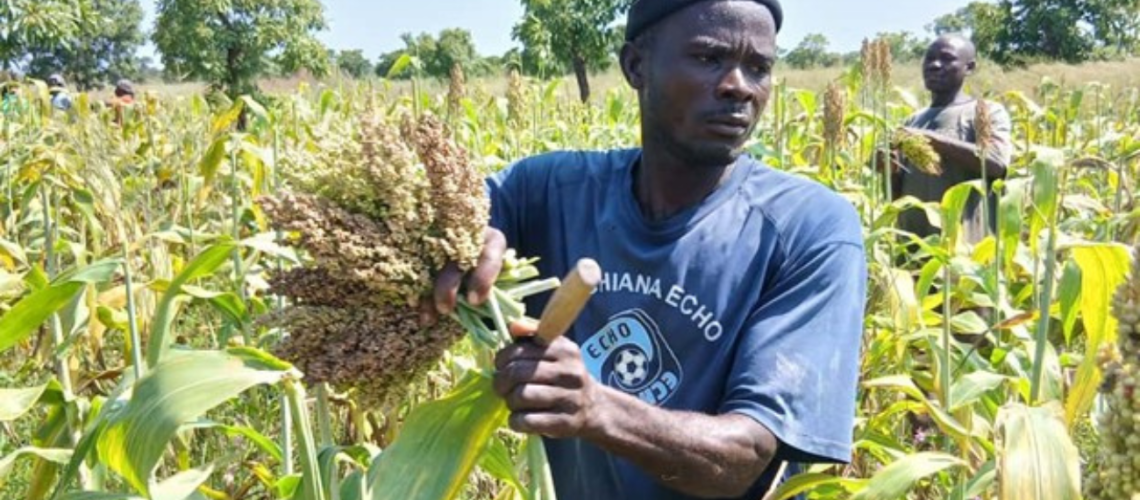
One of the most effective ways communities can improve food security is by increasing local production.
Community gardens, cooperative farms and small-scale agricultural projects can provide households with fresh produce while creating opportunities for income generation. Even in urban areas, unused spaces can sometimes be transformed into productive gardens.
Local production also reduces dependence on distant suppliers and can make communities more resilient when disruptions affect food markets.
Community Food Cooperatives
Food cooperatives can help individuals achieve more by working together. Instead of purchasing food independently, households can form organised groups that buy staples in larger quantities. Bulk purchasing can reduce costs, improve access to essential products and create stronger relationships with farmers, wholesalers and food producers.
Cooperatives can also support collective farming, food processing and distribution. The success of such initiatives depends on transparency, good record-keeping and clear responsibilities among members.
Reducing Food Waste
Food waste is another major challenge that communities can address collectively. Fresh produce can be lost because of poor storage, transportation delays, inadequate packaging or a lack of buyers. At the household level, food may be wasted because families purchase more than they need or fail to store food properly.
Community food programmes can introduce better storage practices, food preservation techniques and redistribution systems.
Surplus food that is still safe to consume can also be redirected to households, community kitchens or charitable organisations instead of being discarded.
Investing in Food Storage
Producing more food is not enough if significant quantities are lost before reaching consumers.
Communities can improve food security by investing in appropriate storage facilities. Depending on the local environment, this may include improved grain stores, cold-storage facilities, drying systems and better packaging.
Small-scale storage solutions can be particularly valuable for farmers who need to preserve produce until market conditions improve. Better storage can help extend shelf life, reduce losses and improve household food availability.
Supporting Local Farmers
Farmers are central to long-term community food security. Communities can support them by creating stronger connections between producers and consumers. Local markets, community-supported agriculture programmes and cooperative purchasing arrangements can help farmers reach customers more reliably.
Training is equally important. Farmers can benefit from knowledge about soil management, climate-resilient practices, irrigation, post-harvest handling and financial management.
When farmers have stronger markets and better resources, communities benefit from a more reliable food supply.
Community Food Processing
Food processing can help communities preserve agricultural products while creating additional sources of income. Instead of selling all produce immediately after harvest, communities can explore opportunities to process crops into products with longer shelf lives.
Examples include dried fruits and vegetables, flour, spices, packaged grains and other locally produced food products.
Processing can reduce waste while creating jobs and increasing the economic value of agricultural products.
Teaching Practical Food Skills
Long-term food security also depends on knowledge. Communities can organise workshops that teach residents how to plan meals, preserve food, grow vegetables, store staples safely and reduce household waste.
Young people can also be introduced to agriculture and food entrepreneurship through school gardens, community projects and vocational programmes.
These skills can remain useful long after a particular food initiative has ended.
Encouraging Urban Agriculture
As African cities continue to grow, urban agriculture can become an important part of local food systems. Vegetable gardens, rooftop farming, container gardens and other small-scale approaches can help urban households produce some of their own food.
Urban agriculture will not replace large-scale farming, but it can complement traditional food systems by bringing some production closer to consumers.
It can also create opportunities for entrepreneurship and community engagement.
Building Stronger Local Markets
Food security depends not only on production but also on distribution. A community may have farmers producing food while households struggle to afford it because of inefficient supply chains or multiple layers of intermediaries.
Stronger local markets can help connect producers and consumers more efficiently.
Digital platforms can also make it easier for farmers, retailers and customers to find one another, compare prices and organise purchases.
Making Nutrition a Priority
Food security should not be measured only by the amount of food available.
The quality and nutritional value of food matter too. Community programmes should encourage access to diverse diets that include vegetables, fruits, legumes, grains and appropriate sources of protein.
Nutrition education can help households make better choices while still considering local food traditions and available resources.
Creating Youth Opportunities
Young people can play an important role in building the future of Africa’s food systems. Agriculture and food businesses offer opportunities beyond traditional farming. Young entrepreneurs can work in logistics, food processing, agricultural technology, retail, packaging, marketing and distribution.
Providing young people with training, mentorship and access to finance can encourage them to see food systems as an area for innovation rather than simply subsistence.
Partnerships Make Solutions Stronger
Long-term community food programmes are more likely to succeed when different stakeholders work together. Local governments can provide infrastructure and policy support. Businesses can offer investment, markets and technical expertise. Non-governmental organisations can contribute training and community mobilisation, while residents provide local knowledge and participation.
Partnerships can make it easier to scale successful initiatives without losing their connection to community needs.
Building Food Systems That Last
The most effective community food solutions are not simply designed to respond to today’s problems. They are built to remain useful tomorrow. That means investing in local production, storage, skills, markets, infrastructure and people.
Africa’s food challenges are complex, but communities do not have to wait for one large solution. Small initiatives can become powerful when they are organised, connected and sustained over time.
By strengthening local food systems and encouraging communities to become active participants in production, distribution and consumption, African communities can move toward a future where food is not only more available, but also more affordable, nutritious and resilient.
