

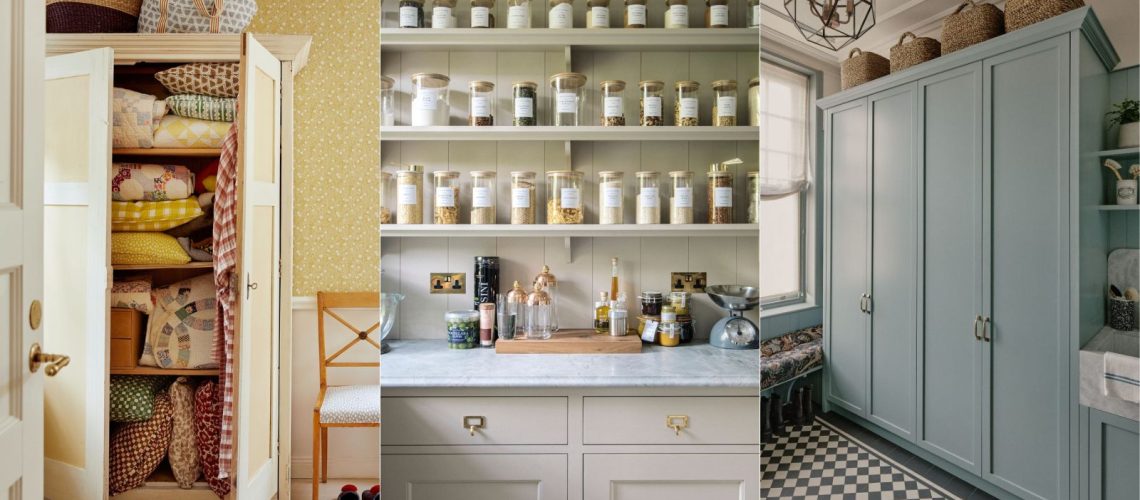
How African Families Can Create More Useful Storage Systems
A well-organized home can make family life easier, faster, and less stressful. Yet many African families struggle with clutter because they lack practical storage systems. Limited space, growing families, bulk food purchases, children’s belongings, and household supplies can quickly fill a home.
Fortunately, families do not need a large house or expensive furniture to improve storage. With careful planning, smart organization, and a few simple habits, any household can create a storage system that works.
Start by Assessing What You Have
Before buying storage containers or installing shelves, look at everything in the home.
Group similar items together. For example, create categories for:
- Food and cooking supplies
- Clothing and shoes
- Children’s belongings
- Cleaning products
- Toiletries
- Important documents
- Tools and repair equipment
- Seasonal items
This process helps you understand how much storage space you actually need. It also reveals items that you no longer use.
Declutter Before You Organize
Many families try to solve storage problems by buying more containers. However, more containers will not solve the problem if unnecessary items continue to fill the home.
Start by removing broken, unused, duplicated, or unwanted belongings. Donate useful items, sell things that still have value, and dispose of damaged items responsibly.
Once you reduce the clutter, you can organize the things that truly matter.
Make Better Use of Vertical Space
Walls can provide valuable storage space, especially in smaller homes and apartments.
Install shelves where practical. Use wall hooks for bags, keys, kitchen utensils, umbrellas, and other lightweight items. You can also use tall shelves to store books, household supplies, or decorative items.
Vertical storage keeps items off the floor and gives the room a more organized appearance.
Create a Practical Kitchen Storage System
The kitchen often contains many different types of items, from food and cooking equipment to cleaning supplies.
Keep frequently used items within easy reach. Store items that you rarely use in higher cabinets or less accessible areas.
Families that buy food in bulk can create a dedicated storage area for rice, beans, grains, flour, pasta, and other dry goods. Airtight containers can help protect suitable dry foods from moisture and pests while making it easier to monitor supplies.
Clear labels can also help everyone identify the contents of each container quickly.
Give Every Item a Home
A simple storage rule can transform household organization: give every important item a designated place.
Keep school bags in one area. Store shoes together. Create a specific space for cleaning products. Keep household tools in one location instead of scattering them around the house.
When family members know where each item belongs, they can return it after use. This habit prevents clutter from spreading.
Give Each Family Member a Storage Zone
Shared spaces can become messy when nobody knows where personal belongings should go.
Give each family member a designated area for personal items. Children can have specific spaces for school bags, books, shoes, toys, and clothes. Adults can organize their work materials, accessories, and personal belongings separately.
This approach gives everyone responsibility for maintaining their own space.
Use Underused Spaces
Look around the home for areas that could provide additional storage. The space under beds can hold suitcases, extra bedding, seasonal clothes, or other items that you rarely need. You can also install hooks behind doors for bags, towels, or lightweight accessories.
Narrow corners can accommodate small shelves. You can also use the space above wardrobes and cabinets for carefully packed items that you rarely access.
However, keep heavy objects at a safe height and avoid blocking exits, ventilation, or walkways.
Organize Important Documents
Families should also create a dedicated system for important documents. Keep birth certificates, school records, identification documents, property papers, receipts, insurance documents, and other important records in labelled folders or document boxes.
Store these records in a secure, dry location. You can also keep secure digital copies of important documents as an additional backup.
A good document system saves time when you need to find an important record quickly.
Separate Everyday Items From Occasional Items
Not every household item needs to stay within easy reach. Keep everyday belongings in convenient locations. Move seasonal clothes, travel bags, special-event decorations, heavy blankets, and rarely used equipment to less accessible storage areas.
This simple separation creates more room for the things your family uses every day.
Choose Affordable Storage Solutions
Families do not always need expensive furniture to create useful storage. Depending on the household’s needs, you can combine shelves, baskets, hooks, reusable containers, storage boxes, and existing furniture.
Repurposing suitable household items can also reduce costs. For example, a sturdy container can organize children’s toys, while a small basket can hold toiletries or cleaning accessories.
Focus on durability, cleanliness, safety, and practicality rather than appearance alone.
Teach Children to Maintain the System
Parents can make storage easier by teaching children simple organization habits. Encourage children to return toys after playing, place books back on shelves, put shoes in their assigned area, and keep school materials together.
These habits may seem small, but they can significantly reduce daily clutter as children grow.
Create a “Return It After Use” Rule
Every family member should understand one simple principle: return each item to its proper place after using it. For example, someone who uses a kitchen utensil should return it to the correct drawer. A child who finishes with a toy should put it away. A family member who removes clothes from a wardrobe should keep the room tidy afterward.
When everyone follows the same rule, one person does not have to reorganize the entire house alone.
Review Your Storage System Regularly
Families change, and their storage needs change with them. Children grow. Families acquire new belongings. Work arrangements change. People move between homes. As these changes occur, the storage system may need an update.
Review your storage areas every few months. Remove items you no longer need and reorganize spaces that no longer work well.
Ask yourself:
- Can we find frequently used items quickly?
- Does every family member know where things belong?
- Which areas become cluttered most often?
- Which belongings do we rarely use?
- Can we make better use of any unused space?
These questions can help you improve the system over time.
Build a System That Fits Your Family
The best storage system does not necessarily look like something from a magazine. It should reflect the family’s lifestyle, budget, home size, and daily routines.
A family that buys food in bulk may need a stronger pantry system. A household with young children may need accessible toy and clothing storage. A family that works from home may need dedicated spaces for documents and work equipment.
Therefore, focus on function rather than perfection.
Final Thoughts
African families can create useful storage systems without spending a fortune or moving into a larger home. By decluttering, using vertical space, organizing belongings by category, assigning storage zones, and teaching everyone to return items after use, families can make better use of the space they already have.
Good storage does more than make a home look tidy. It helps families find things faster, reduce unnecessary purchases, protect important belongings, and create a more comfortable living environment.
The goal is simple: create a storage system that makes everyday family life easier.
