

How Open-Air Markets Adapt to Changing Consumer Expectations
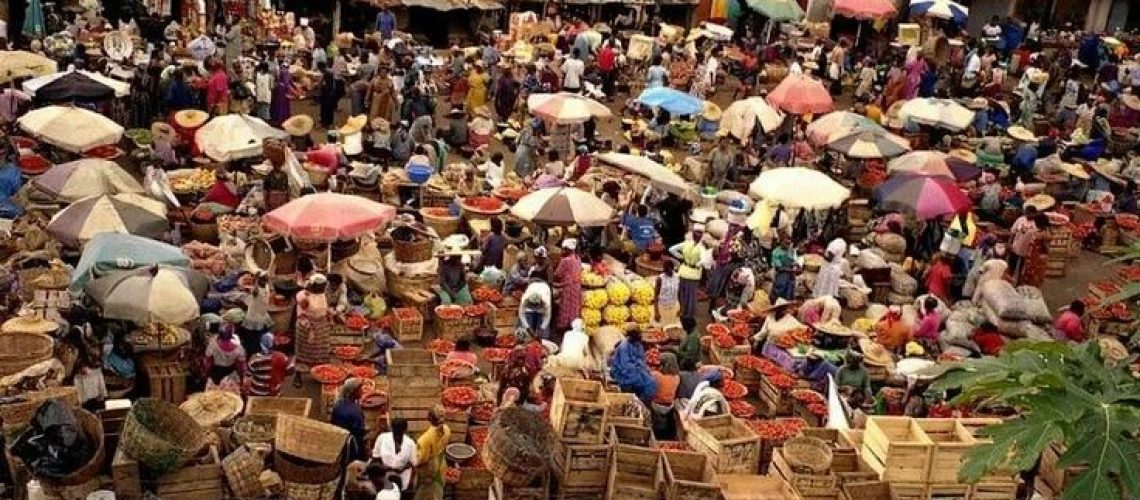
Open-air markets have long been an important part of African commerce. From large traditional markets to neighborhood stalls and roadside trading spaces, they provide millions of people with access to food, clothing, household goods, electronics and other everyday necessities.
However, consumer expectations are changing. Shoppers today increasingly value convenience, hygiene, product quality, transparency, speed and good customer service. Younger consumers, in particular, are becoming more comfortable with digital payments, online shopping and delivery services.
Rather than disappearing, many open-air markets are adapting to these changes while maintaining the community atmosphere and affordability that make them attractive.
1. Embracing Digital Payments
Cash has traditionally been central to open-air market transactions, but digital payments are becoming increasingly common.
Mobile banking, bank transfers, payment terminals and other digital options allow customers to pay without carrying large amounts of cash. For traders, digital payments can also make it easier to track sales and manage business finances.
As more consumers become comfortable with cashless transactions, markets that support multiple payment options can appeal to a wider range of shoppers.
2. Improving Hygiene and Cleanliness
Hygiene has become a major consideration for consumers, particularly when buying fresh food. Market associations and individual traders are increasingly paying attention to cleaner stalls, proper waste disposal, covered food displays and improved drainage. Meat, fish, fruits and vegetables also need to be handled in ways that protect quality and reduce contamination.
A cleaner environment does more than improve appearance. It can increase customer confidence and encourage shoppers to spend more time in the market.
3. Focusing on Product Quality
Consumers are becoming more informed about what they purchase. They increasingly want fresh food, durable products and reliable quality rather than simply choosing the cheapest option.
This is encouraging traders to become more deliberate about sourcing and product presentation. A food seller who consistently provides fresh produce, for example, can build a loyal customer base even when competitors offer slightly lower prices.
Quality and consistency are therefore becoming important competitive advantages.
4. Offering Better Customer Service
Customer service was once viewed primarily as a feature of supermarkets and formal retail stores. Today, expectations are spreading across all forms of commerce.
Customers appreciate traders who communicate clearly, treat them respectfully, provide accurate information and make transactions easier.
Simple practices such as clearly explaining prices, responding politely to questions and helping customers find products can significantly improve the shopping experience.
5. Using Social Media to Attract Customers
Some market traders are taking their businesses beyond the physical market.
Through platforms such as WhatsApp, Instagram and Facebook, traders can display products, announce new stock, communicate prices and receive orders. Customers can sometimes decide what they want before physically visiting the market.
This creates a hybrid shopping experience where the market remains the source of products while digital platforms become an additional channel for customer engagement.
6. Introducing Delivery Services
Convenience is one of the biggest factors influencing modern consumers. Some traders and market-based businesses now work with delivery riders or logistics companies to take purchases directly to customers. This can be particularly useful for busy professionals, elderly shoppers, families and customers purchasing large quantities.
Delivery also allows traders to serve people who live farther away from the market, potentially expanding their customer base.
7. Improving Product Presentation
Presentation matters more than ever. Customers are often attracted to clean, organized and easy-to-navigate stalls. Traders are therefore finding creative ways to arrange products, display prices and package goods.
For food sellers, attractive packaging can make products appear more trustworthy and convenient. For clothing and household goods sellers, organized displays can make it easier for customers to compare options.
Better presentation can make traditional retail environments feel more modern without eliminating their character.
8. Providing More Information to Customers
Modern shoppers increasingly want to know what they are buying.
They may ask about product origin, quality, ingredients, expiration dates, sizes, materials or methods of production. Traders who can answer these questions confidently are more likely to build trust.
This is particularly important for food products. Clear information about freshness, sourcing and storage can help customers make informed decisions.
9. Catering to Younger Shoppers
Younger consumers are changing the way people think about traditional markets.
They are often comfortable combining physical and digital shopping. They may discover a product online, compare prices using their phones and then visit a physical market to negotiate or inspect the product.
Markets that recognize this behavior can attract younger customers by becoming more digitally visible and making their shopping experience faster and more convenient.
10. Balancing Tradition With Modern Convenience
One of the greatest strengths of open-air markets is their cultural and social character. Markets are not simply places where goods are exchanged. They are meeting points where people interact, negotiate, discover local products and experience aspects of community life.
The goal of modernization should therefore not be to turn every market into a shopping mall. Instead, markets can preserve their traditional identity while adopting useful improvements such as digital payments, better sanitation, clearer pricing, improved packaging and delivery options.
The Future of Open-Air Markets
Open-air markets are unlikely to remain exactly as they were in previous generations. Consumer expectations will continue to evolve alongside technology, urbanization and changing lifestyles.
The markets that thrive will be those capable of adapting without losing their core strengths. Affordability, variety, personal relationships and local knowledge can remain important advantages while digital tools and improved services make shopping more convenient.
Ultimately, the future of open-air markets will depend on their ability to combine traditional market culture with modern consumer expectations. By doing so, they can remain relevant, competitive and valuable parts of African cities and communities.
Conclusion
Changing consumer expectations do not necessarily threaten open-air markets. Instead, they create opportunities for improvement. Markets that invest in cleanliness, customer service, digital payments, product quality, better presentation and convenient purchasing options can attract both traditional shoppers and a new generation of consumers.
The open-air market of the future may look different from the market of the past, but its central role in everyday African commerce can remain stronger than ever.
