

Across African cities, commerce is becoming increasingly mobile.
From food sellers pushing carts through busy streets to traders carrying clothing, household items, drinks, and other goods from one neighborhood to another, mobile vendors have become a familiar part of urban life.
Their presence reflects more than a traditional way of doing business. Mobile vendors are responding to changing consumer needs, rising urban populations, limited access to formal retail spaces, and the demand for convenient services. As African cities continue to expand, these informal and semi-formal businesses are playing an increasingly important role in connecting products with consumers.
Bringing Goods Closer to Consumers
One of the biggest advantages of mobile vendors is convenience. Instead of requiring customers to travel to a market or shopping center, vendors take products directly to residential areas, workplaces, transport hubs, and busy streets.
This convenience can be especially valuable in large cities where traffic congestion and long commuting times make ordinary shopping trips difficult. A food vendor near an office, for example, can provide lunch without requiring workers to travel far from their workplace.
Mobile vending effectively turns different parts of a city into temporary marketplaces. Vendors can move toward areas where demand is highest, allowing them to serve customers who may not have easy access to formal retail outlets.
Creating Livelihood Opportunities
Mobile vending also provides an entry point into entrepreneurship. Starting a mobile business can require significantly less capital than renting a permanent shop.
An individual may begin with a small selection of products, gradually build a customer base, and expand the business as income increases. This flexibility makes mobile vending attractive to people looking for self-employment or additional income.
For young people and households with limited access to formal employment, these businesses can provide an important source of livelihood. Vendors can also create small employment opportunities by hiring assistants, delivery workers, or suppliers as their businesses grow.
Supporting Local Food Systems
Food vending is one of the most visible forms of mobile commerce in African cities. Vendors sell everything from fresh fruits and vegetables to cooked meals, snacks, drinks, and traditional foods.
These businesses can connect urban consumers with local producers and wholesalers. A fruit seller, for example, may purchase produce from a nearby market and distribute it within residential neighborhoods.
This creates a chain that connects farmers, wholesalers, transporters, vendors, and consumers. Although the system often operates outside traditional formal retail structures, it contributes to the movement of food through cities.
Serving Underserved Communities
Formal supermarkets and shopping centers are not evenly distributed across cities. Some neighborhoods have extensive retail options, while others have limited access to affordable goods.
Mobile vendors can help fill these gaps. Because they are not tied to a permanent location, they can serve areas where establishing a large store may not be commercially attractive.
For low-income communities and residents living far from major commercial centers, nearby mobile vendors can provide access to everyday necessities without the additional transportation costs associated with longer shopping trips.
Adapting Quickly to Consumer Demand
Flexibility is another major strength of mobile vendors. A permanent retailer may have difficulty changing its location or product mix quickly, but a mobile vendor can adjust based on customer behavior.
If demand for a particular product increases in one neighborhood, vendors can redirect their activities there. They can also change their stock according to seasons, events, weather conditions, or local preferences.
This responsiveness gives mobile vendors an important advantage in fast-changing urban markets.
The Influence of Technology
Technology is gradually changing how mobile vendors operate. Mobile phones allow vendors to communicate with customers, receive orders, advertise products, and coordinate deliveries.
Social media can also help small sellers reach customers beyond the streets where they normally operate. A food vendor can post a daily menu, while a clothing seller can showcase new products through messaging platforms or social networks.
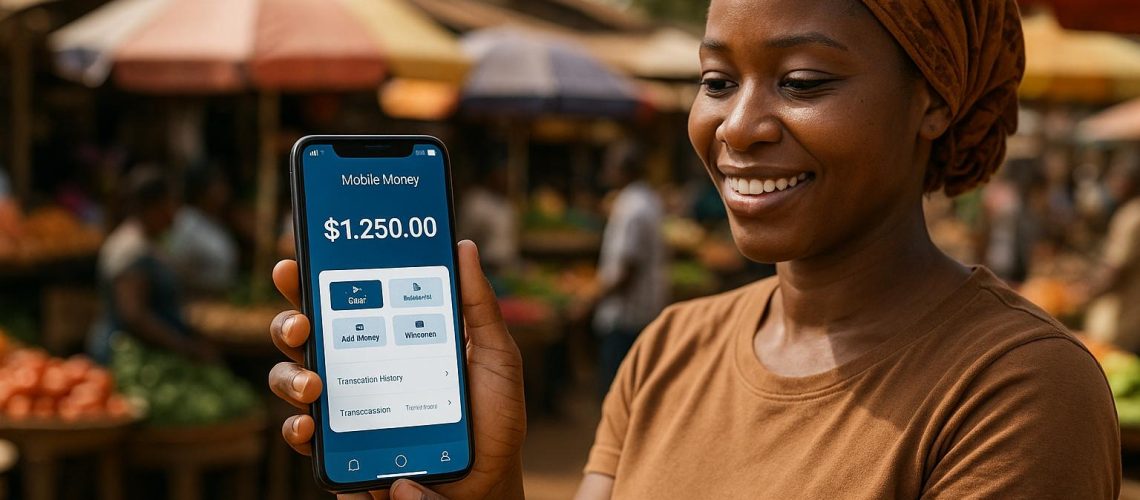
Digital payments are another important development. As mobile money and electronic payment systems become more accessible across many African markets, vendors can increasingly accept payments without relying entirely on cash.
These tools can make small businesses more efficient while helping vendors build stronger relationships with repeat customers.
Challenges Facing Mobile Vendors
Despite their contribution, mobile vendors face significant challenges. Regulations vary widely between cities, and vendors may face restrictions concerning where they can operate. Some also experience difficulties obtaining permits, accessing suitable storage, or finding safe spaces to conduct business.
Weather can create additional problems for vendors who work outdoors. Rain, extreme heat, and flooding can affect both sales and the condition of products.
Security and transportation also remain concerns. Vendors carrying valuable stock may face theft, while those moving through congested streets can experience transportation delays and higher operating costs.
Access to finance can be another barrier. Without formal business records or traditional collateral, some small vendors struggle to obtain affordable loans that could help them expand.
The Need for Better Urban Planning
The growing presence of mobile vendors highlights the need for cities to think more carefully about informal commerce.
Rather than treating every street vendor as a problem, urban authorities can explore ways to create organized spaces where mobile businesses can operate safely while maintaining public access and traffic flow.
Designated vending zones, affordable permits, sanitation facilities, waste collection points, and access to storage could help improve working conditions without removing the convenience that vendors provide.
Good planning can benefit both vendors and residents. Consumers can continue accessing convenient services, while cities can improve cleanliness, safety, and organization.
Mobile Vendors and the Future of African Cities
As African urban populations continue to grow, the role of mobile vendors is likely to remain significant. Their ability to move, adapt, and respond quickly to demand makes them an important part of the urban economy.
The future may involve a combination of traditional street commerce and digital technology. Vendors could increasingly use mobile ordering, digital payments, social media marketing, and delivery networks to build more organized businesses.
The goal should not necessarily be to replace informal commerce with formal retail. Instead, cities can look for ways to create an environment where small businesses can operate safely, legally, and productively.
Conclusion
Mobile vendors are much more than people selling goods on the streets. They are entrepreneurs, distributors, food providers, and links between suppliers and consumers.
Their growth reflects the realities of African urban life, where convenience, affordability, flexibility, and accessibility are increasingly important. With thoughtful urban planning and greater access to technology, finance, infrastructure, and business support, mobile vendors can become an even stronger part of Africa’s evolving city economies.
As cities continue to change, the ability to bring products and services directly to people may become one of the most valuable forms of urban commerce.
