

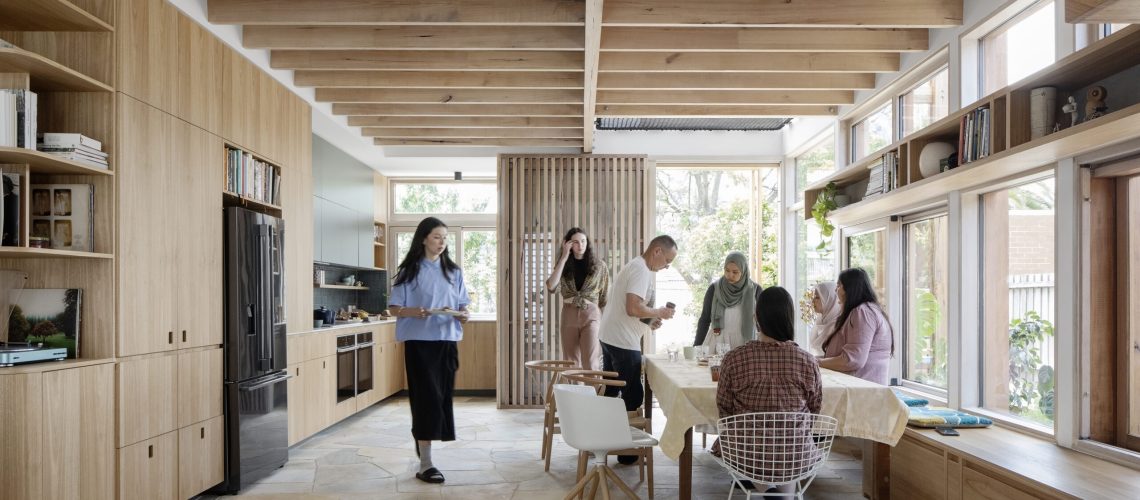
Shared family spaces are meant to bring people together, but they can quickly become cluttered, noisy, and difficult to manage.
Living rooms become storage areas, kitchen counters disappear beneath everyday items, and dining tables turn into temporary offices, homework stations, or laundry-folding surfaces. The good news is that a more organized home does not require expensive furniture or a complete renovation. Small changes to how family members use and manage shared spaces can make the home calmer and easier to maintain.
Here are practical ways to reduce chaos and create shared spaces that work better for everyone.
Give Every Item a Regular Home
One of the simplest ways to reduce clutter is to decide where frequently used items should stay.
Remote controls, school bags, shoes, chargers, toys, keys, and household documents often create mess because nobody knows where they belong. When every frequently used item has a designated place, family members can return things after use instead of leaving them on random surfaces.
Use baskets, trays, shelves, hooks, or storage boxes where appropriate. Keep the system simple enough that everyone can follow it.
Create Zones Within Shared Rooms
A large room does not need to serve one purpose. Creating simple zones can help different activities coexist without taking over the entire space.
For example, a living room might have a seating area, a small children’s activity corner, and a designated spot for electronics. A kitchen can have separate areas for food preparation, appliances, and everyday storage.
Clearly defined zones help family members understand where particular activities should happen. They also make it easier to return a space to its normal condition.
Reduce the Number of Items in Common Areas
Sometimes the problem is not poor organization but having too many things.
Walk through shared rooms and identify items that nobody regularly uses. Broken toys, old magazines, unused containers, duplicate kitchen tools, and outdated paperwork can occupy valuable space.
Instead of trying to organize everything, remove what the household no longer needs.
A useful rule is to ask whether an item is used, loved, or genuinely necessary. If it serves none of these purposes, consider donating, recycling, storing, or discarding it.
Use Baskets for Temporary Clutter
Not everything can be put away immediately. Family members may need temporary places for items they are still using.
A basket can provide a simple solution.
For example, a living-room basket could collect books, children’s toys, chargers, or other items that regularly appear in the room. At the end of the day, family members can return those items to their proper locations.
The goal is not to hide clutter permanently. Instead, baskets create a controlled place for temporary items so that surfaces remain relatively clear.
Establish a Quick Daily Reset
A shared space does not need hours of cleaning every day. A short reset can prevent small messes from becoming overwhelming.
Choose a convenient time when everyone can spend about 10 to 15 minutes restoring common areas. Put away misplaced items, clear surfaces, arrange cushions, return dishes to the kitchen, and deal with obvious rubbish.
When several family members participate, the responsibility does not fall entirely on one person.
Teach Children Where Things Belong
Children can contribute to a more organized household when expectations are clear and age-appropriate.
Instead of simply telling children to “clean up,” show them exactly what that means. Teach them where toys, books, shoes, school materials, and clothes belong.
Storage should also be accessible. If children need adult assistance to reach every shelf or open every container, they may struggle to maintain the system independently.
Simple labels or pictures can also help younger children remember where items go.
Keep Frequently Used Items Accessible
Organization should make everyday life easier, not create additional work.
Items used every day should generally be easier to reach than things used occasionally. For example, frequently used cooking utensils can stay in an accessible drawer, while special serving dishes can occupy higher or less convenient storage.
The same principle applies throughout the home.
When useful items are easy to find and return, family members are more likely to maintain the organization.
Create Rules for Shared Surfaces
Dining tables, kitchen counters, coffee tables, and other surfaces often become clutter magnets.
Create simple household rules for these areas. A dining table, for example, might need to remain clear except during meals or specific activities. The kitchen counter might be reserved for food preparation and essential appliances.
These rules prevent shared surfaces from becoming permanent storage areas.
Manage Cables and Electronics
Chargers, headphones, remote controls, gaming accessories, and extension cords can make otherwise tidy rooms look chaotic.
Create a small charging or electronics station where possible. Use cable organizers, storage boxes, or designated drawers to keep accessories together.
Encourage family members to return chargers and devices after use. This not only improves the appearance of the room but also reduces the frustration of searching for missing cables.
Avoid Organizing Everything at Once
Trying to reorganize an entire home in one weekend can quickly become exhausting.
Instead, focus on one problem area at a time. Start with the room or surface that creates the most daily frustration.
Once that area works well, move to another.
Small improvements are easier to maintain than complicated systems introduced all at once.
Share Responsibilities Clearly
A family space belongs to everyone, so everyone should contribute to maintaining it.
Create responsibilities that match each person’s age and ability. One person might clear the dining table, another might organize the living room, while children put away their toys and books.
Rotating responsibilities can also prevent one family member from always carrying the household workload.
The key is consistency rather than perfection.
Make Decluttering a Regular Habit
Clutter returns when households continuously bring in new items without removing old ones.
Set aside a short period every few weeks to review shared spaces. Look for clothes, toys, containers, paperwork, decorations, and household items that no longer serve a purpose.
Regular decluttering keeps the home from reaching a point where a major cleanup becomes necessary.
Build a System the Family Can Actually Maintain
The most effective organization system is not necessarily the most attractive or complicated one. It is the one that family members can realistically follow.
If everyone finds it difficult to maintain, simplify it. If a storage container is always overflowing, reduce what goes inside it. If an item is constantly left in the same place, consider whether that location should become its permanent home.
A well-organized family space should support everyday life rather than make people feel restricted.
Conclusion
Making shared family spaces less chaotic does not require perfection. It requires practical systems, clear expectations, and participation from everyone who uses the space. Giving items designated homes, creating activity zones, reducing unnecessary possessions, using baskets, establishing quick daily resets, and sharing responsibilities can make a noticeable difference.
The ultimate goal is not a home that always looks spotless. It is a home where people can find what they need, move around comfortably, and enjoy shared spaces without constantly fighting clutter.
A little structure can turn everyday family spaces into calmer, more functional environments.
